
Nature Coloring Pages
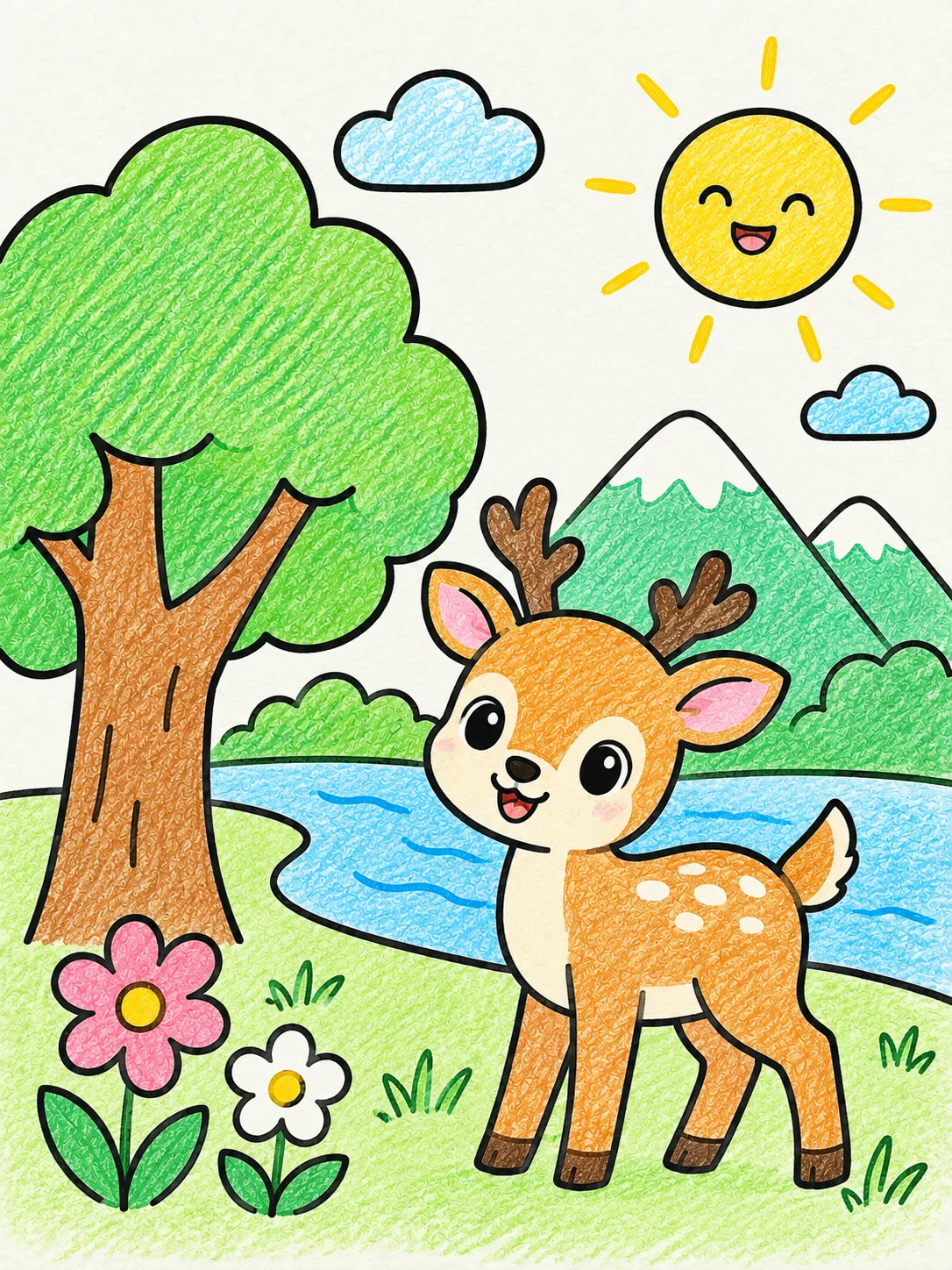
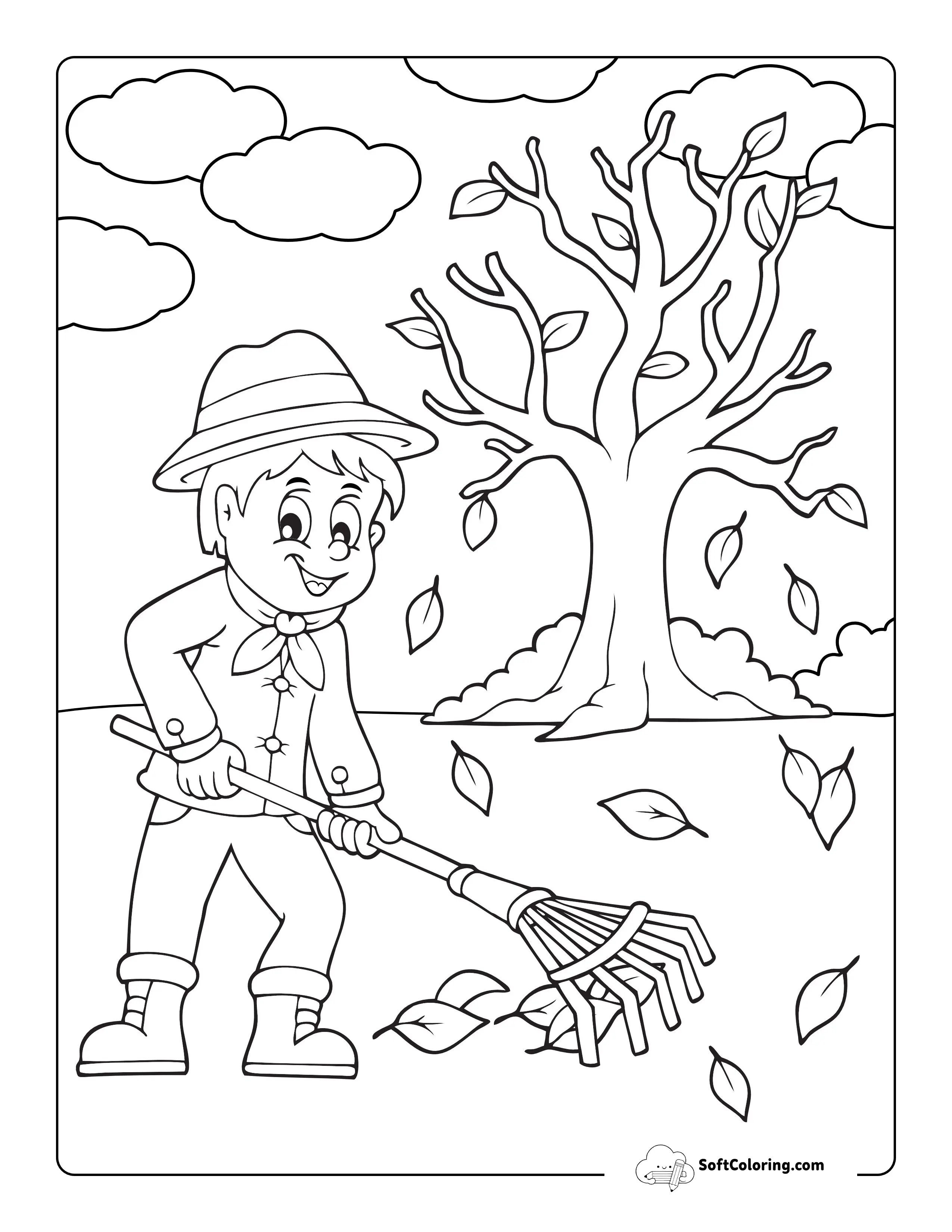
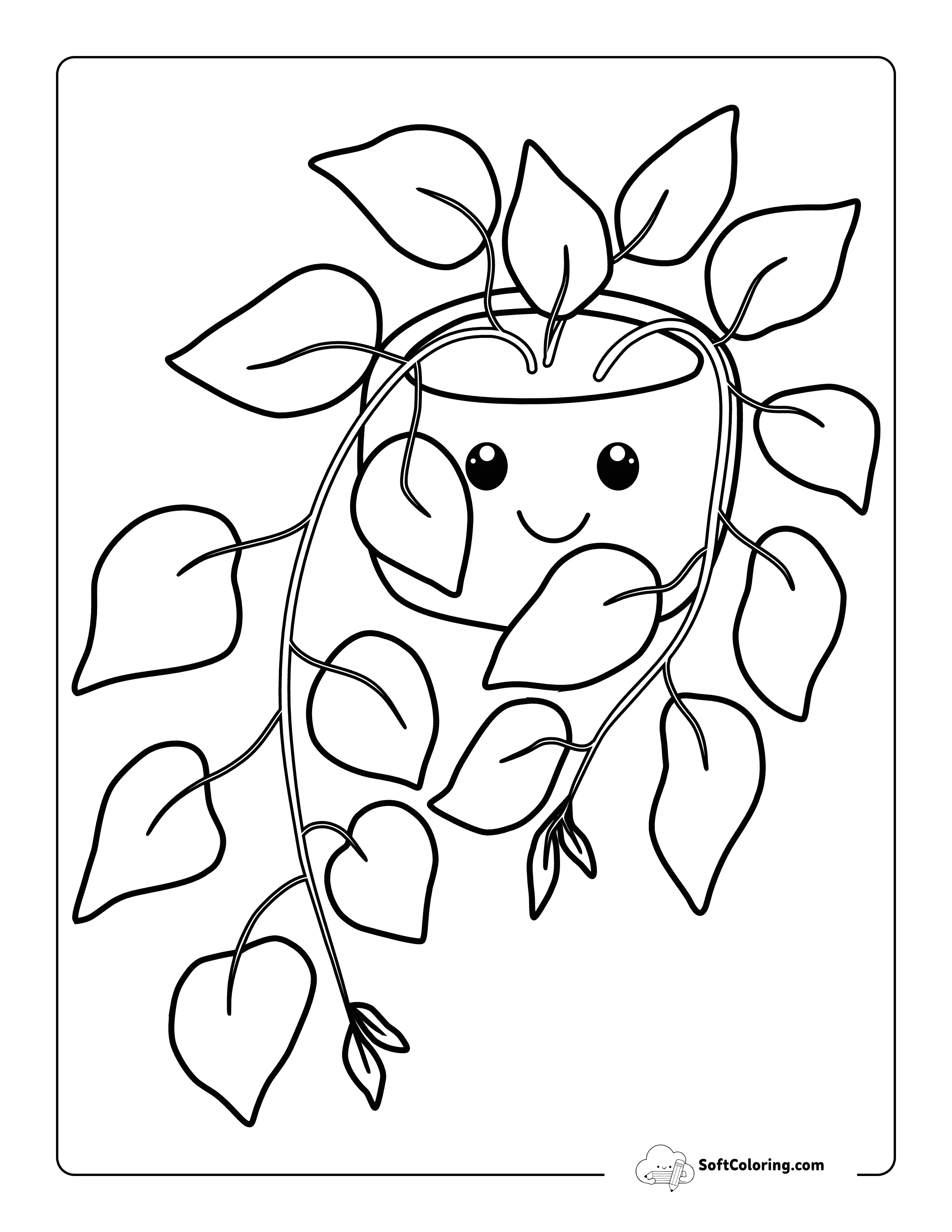
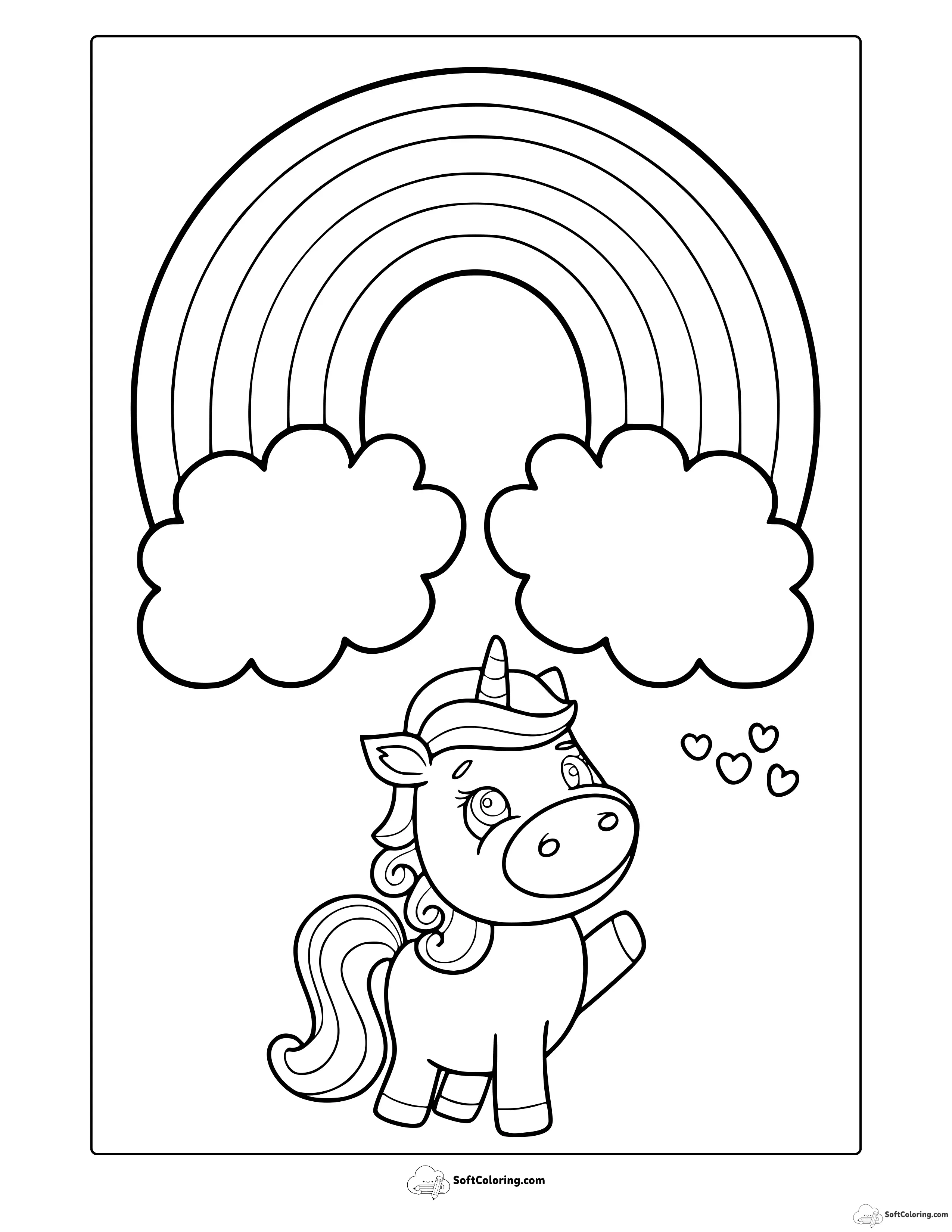
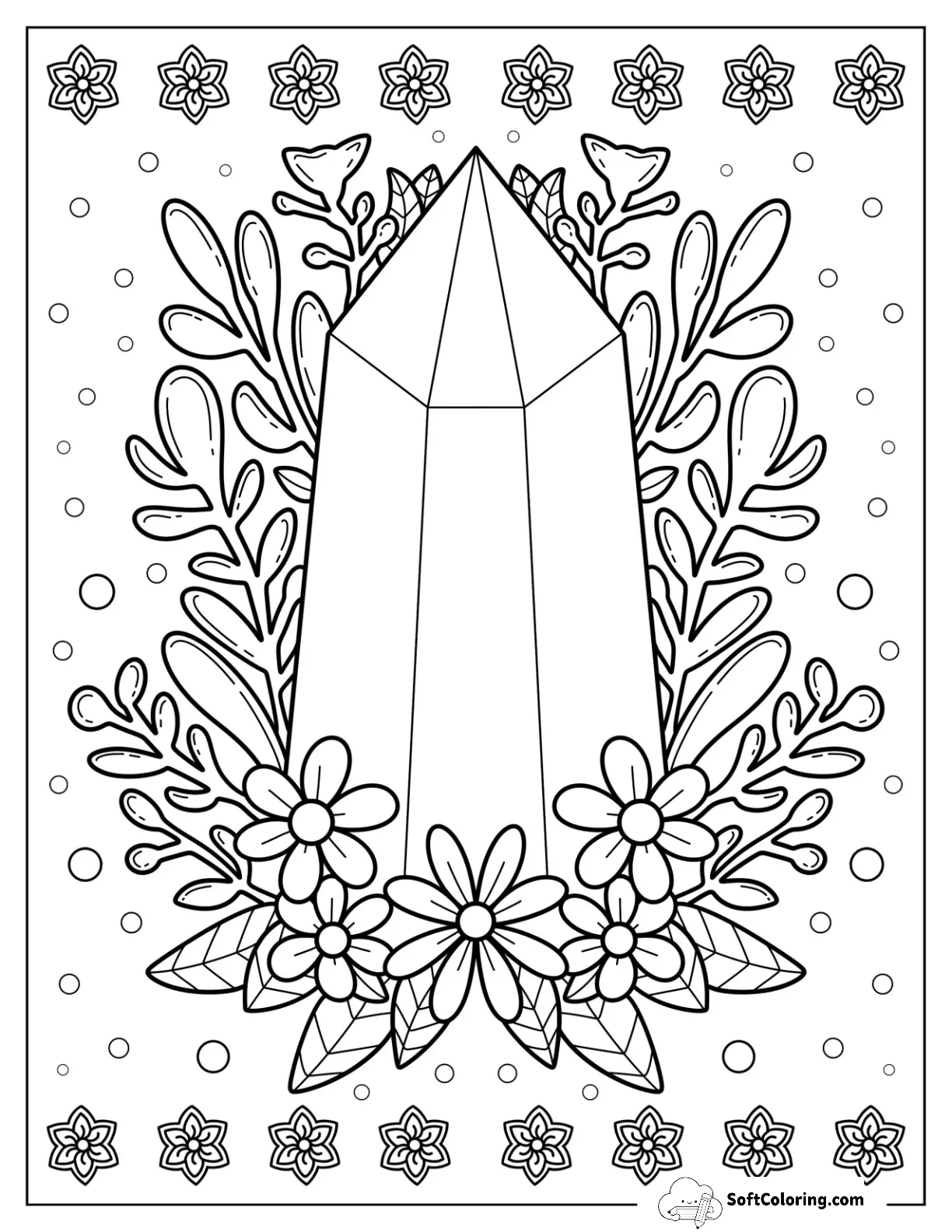
Our Nature Coloring Pages gallery connects young artists directly with the outdoor world through botanical and weather art. Explore branching forest trees, delicate garden petals, rainy day skies, and radiant rainbows designed for creative science play.
Can't Find What You're Looking For?
Let us know what you want to color next, and our team will draw it for you!
Request a Coloring Page
Discover the Wonders of the Natural World
Botanical and meteorological illustrations designed to build scientific observation, organic color blending, and environmental curiosity.
Leaf Venation and Floral Anatomy
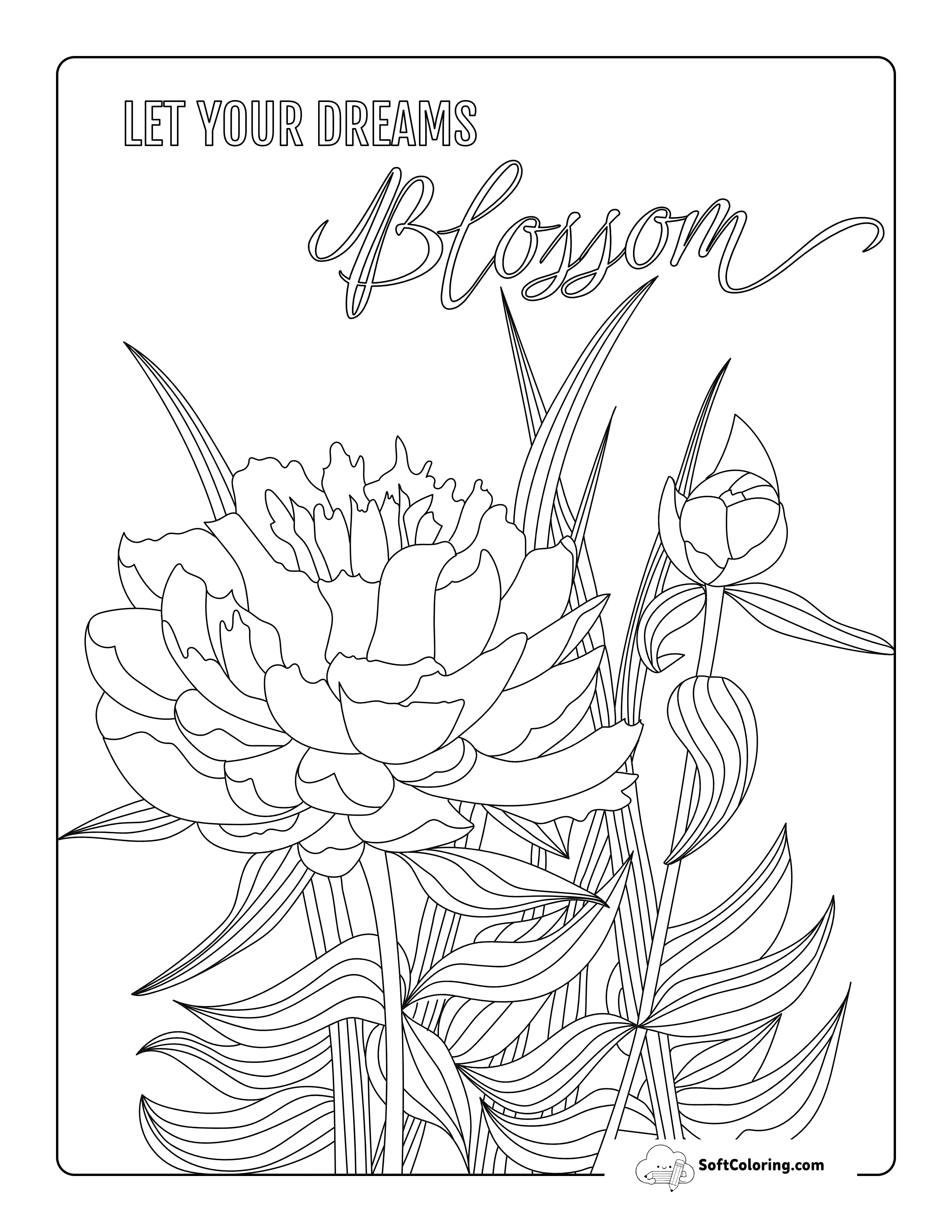
Children study real plant structures by tracing stem vascular networks, delicate petal layers, and symmetrical leaf veins that mirror living garden ecosystems.
Canopy Layers and Earthy Palettes
Young artists experiment with earthy moss greens, rich bark browns, and filtered canopy highlights to understand how forest trees shelter smaller undergrowth plants.
Atmospheric Cycles and Rainbows
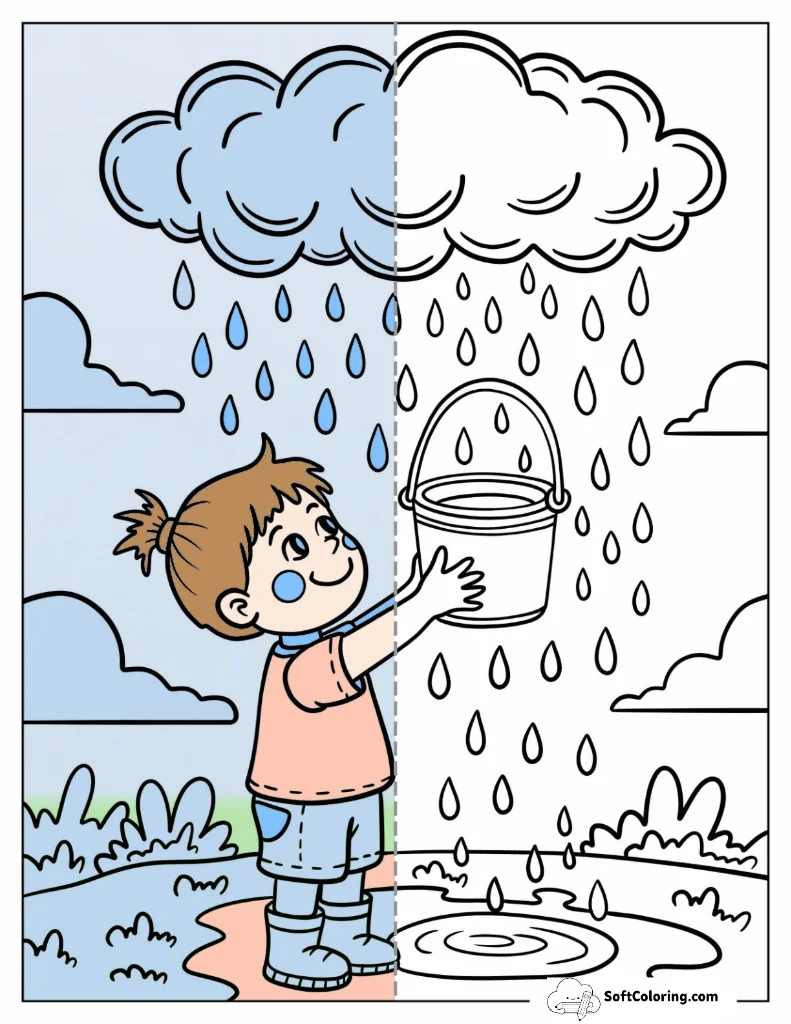
Gentle raindrop sheets and arched prisms introduce the water cycle and visible light spectrum, connecting outdoor weather changes to hands-on watercolor and crayon art.
Frequently Asked Questions
Helpful guidance on paper selection, natural color blending, and incorporating botanical printables into science units.
What coloring supplies produce realistic shading on flowers and leaves?
How do nature coloring sheets support elementary science and ecology lessons?
Are there nature coloring pages suitable for toddler fine motor development?
Transforming Nature Line Art into Hands-On Living Ecology Lessons
Connecting with the natural world begins with learning how to look closely at organic patterns that often go unnoticed during busy days. When children and adults settle in with botanical and landscape line art, they step into the time-honored tradition of naturalist illustrators who documented wildlife before the advent of modern photography. Tracing the branching vascular veins of an oak leaf, the spiral seed arrangement of a sunflower, or the gentle curvature of rolling hills trains the eye to recognize mathematical symmetry in biological systems. This rhythmic creative focus encourages quiet mindfulness while deepening real-world appreciation for the plant and weather cycles that sustain our living planet.
Note for Parents and Teachers taking printed botanical sheets on outdoor backyard walks helps children match colored pencil marks directly to real tree bark textures, garden flowers, and wild dandelion stems.
Hands-On Nature Studies and Creative Earth Projects
Take your coloring sessions beyond the desk by integrating outdoor exploration and practical earth science activities into each printable theme.
Botanical Texture Rubbings and Mixed Media combines clean printed outlines with authentic outdoor textures. Send children outside to collect fallen maple leaves, rough pine bark, and flat river stones, then place these specimens beneath their coloring sheets. Lightly rubbing the side of an unwrapped green or earthy brown crayon across the paper transfers authentic organic textures directly onto tree trunks and foliage, creating a tactile multi-dimensional masterpiece.
Weather Station Logs and Rain Gauge Trackers turns rainy day and rainbow printables into an interactive daily meteorology journal. Mount a series of rain cloud and sunshine pages beside a classroom window or home bulletin board. Students track weekly precipitation by coloring raindrops blue on wet mornings, adding sunny yellow tints on clear afternoons, and drawing multi-band rainbows whenever afternoon showers clear into bright sunshine.
Ecosystem Color Matching and Season Mapping encourages thoughtful palette experimentation based on local environmental shifts. Instead of defaulting to standard kelly green, invite young artists to observe how garden foliage shifts across the calendar year. Mixing lime greens, dusty olives, burnt siennas, and golden ambers across a single tree canopy teaches children how chlorophyll recedes during autumn and renews during spring awakenings.
Paper Selection and Field Journal Assembly Tips
Standard twenty-pound copier paper works well for dry wax crayons and graphite pencils during indoor quiet time. If students plan to use watercolor paints, water-soluble pastels, or take their artwork outdoors on nature hikes, print designs onto sixty-five-pound heavy cardstock. Binding several completed flower, leaf, and weather pages with simple twine or notebook rings creates a personalized nature study journal that children can proudly carry on forest trails and garden explorations.