Alphabet Coloring Pages
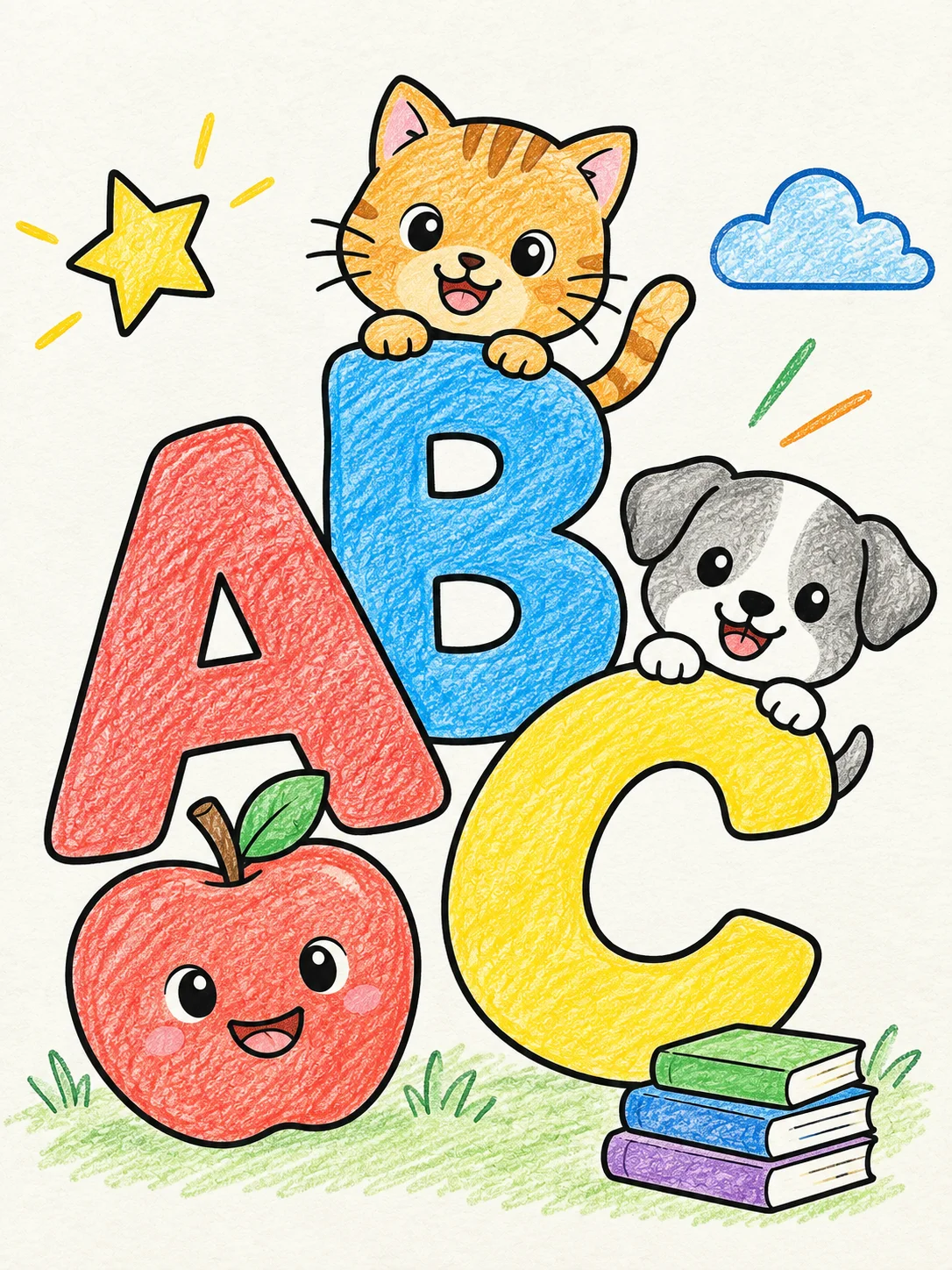
Build strong foundational phonics skills using interactive Alphabet Coloring Pages from A to Z. Preschoolers connect uppercase outlines, lowercase tracing lines, and familiar picture cues to develop confident pre-reading literacy.
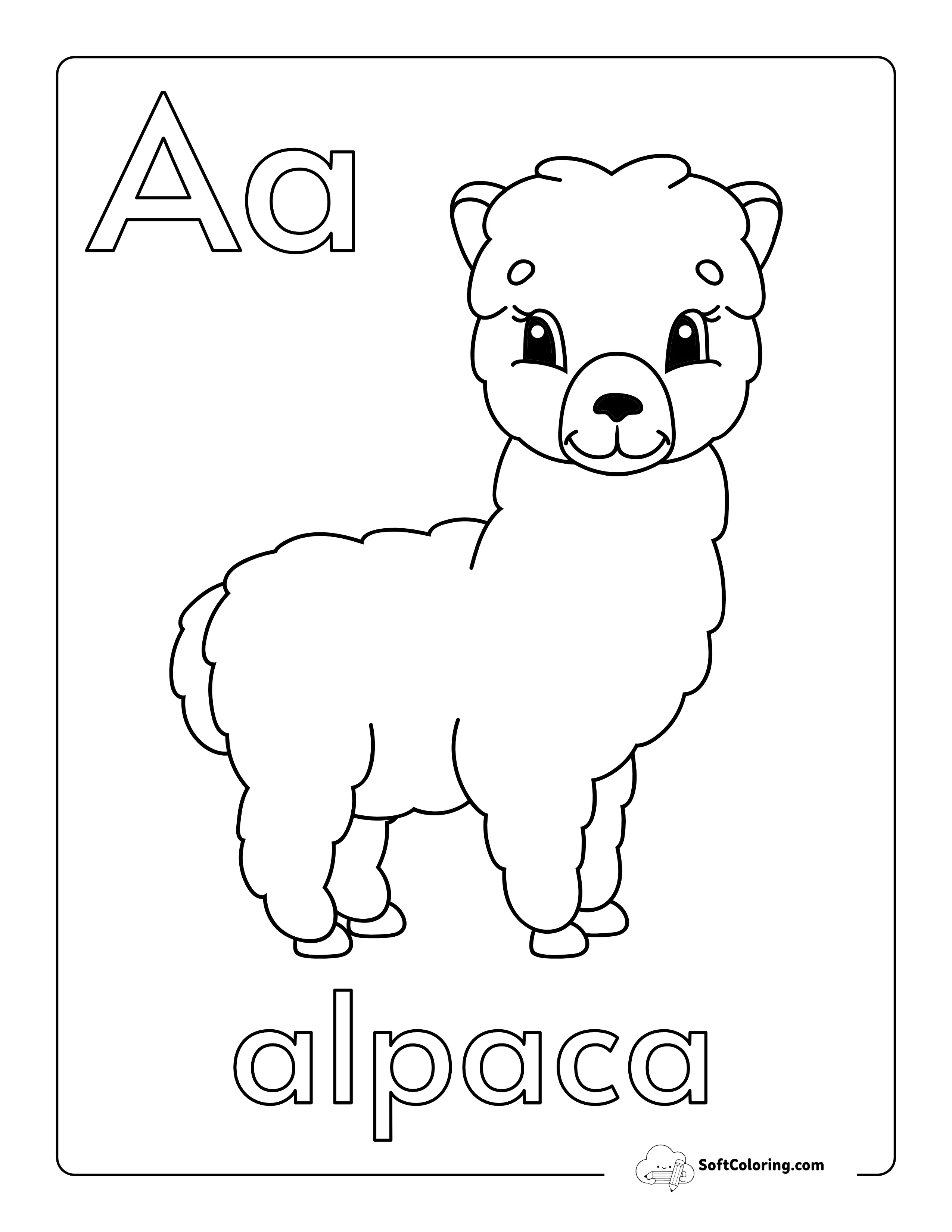 28 Sheets
Letter A Coloring Pages
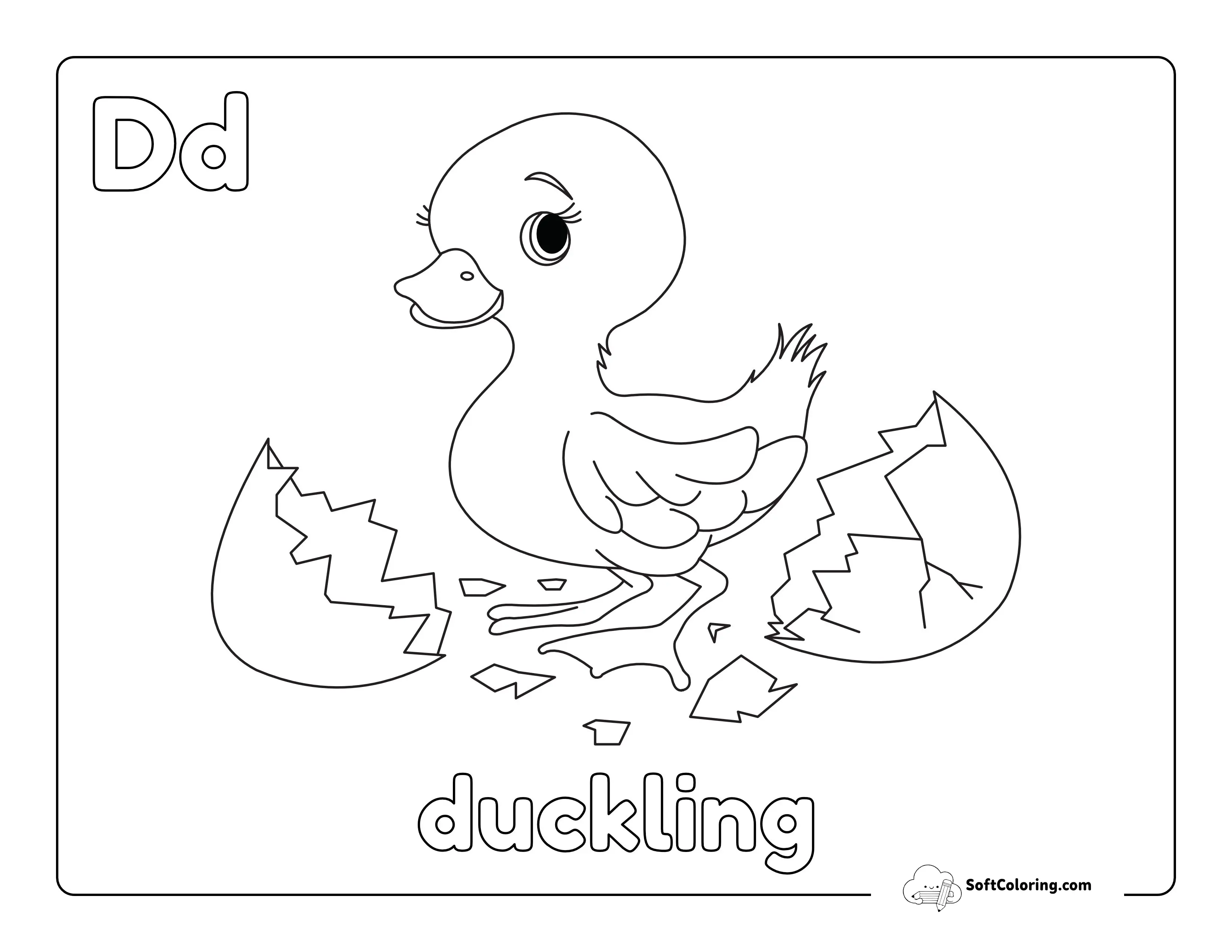 32 Sheets
Letter D Coloring Pages
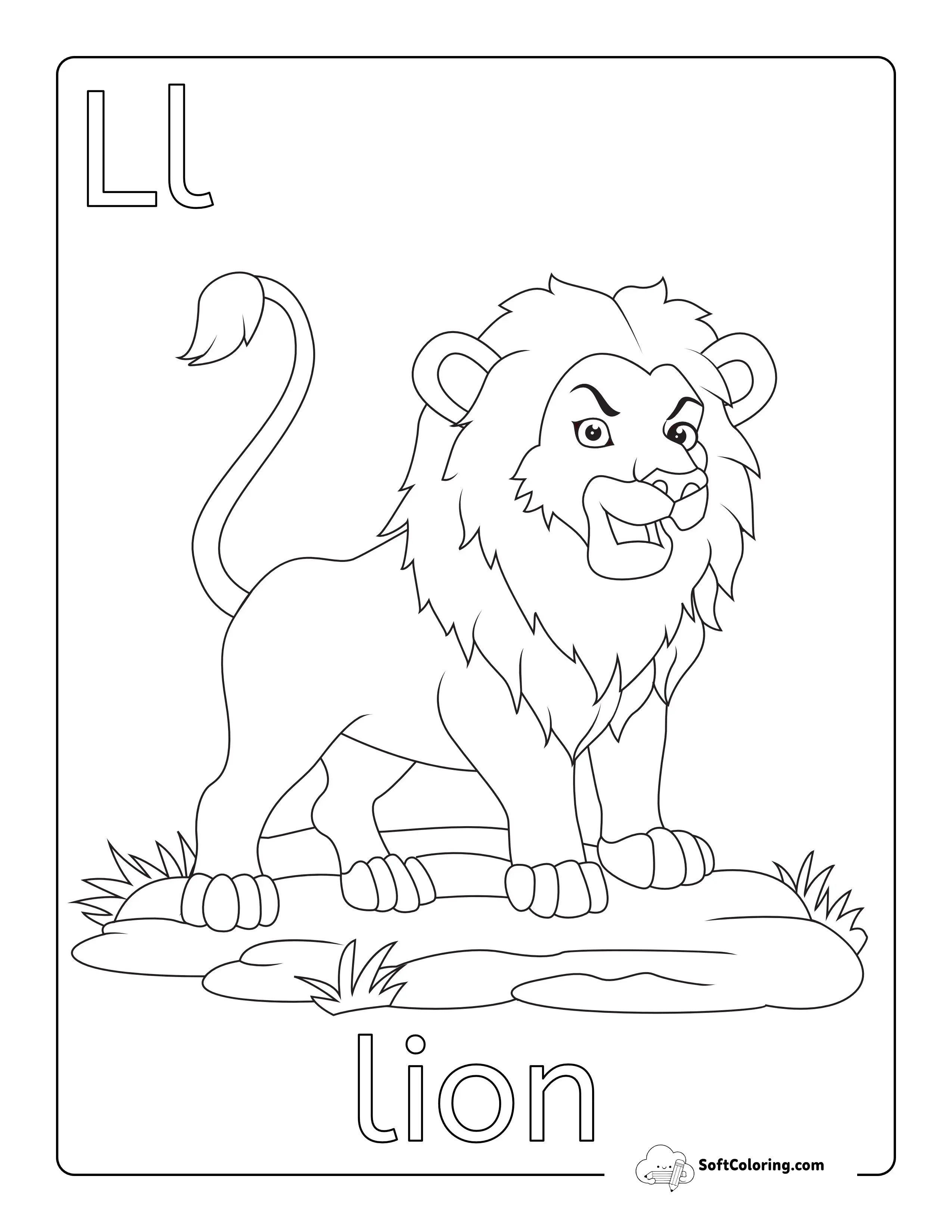 28 Sheets
Letter E Coloring Pages
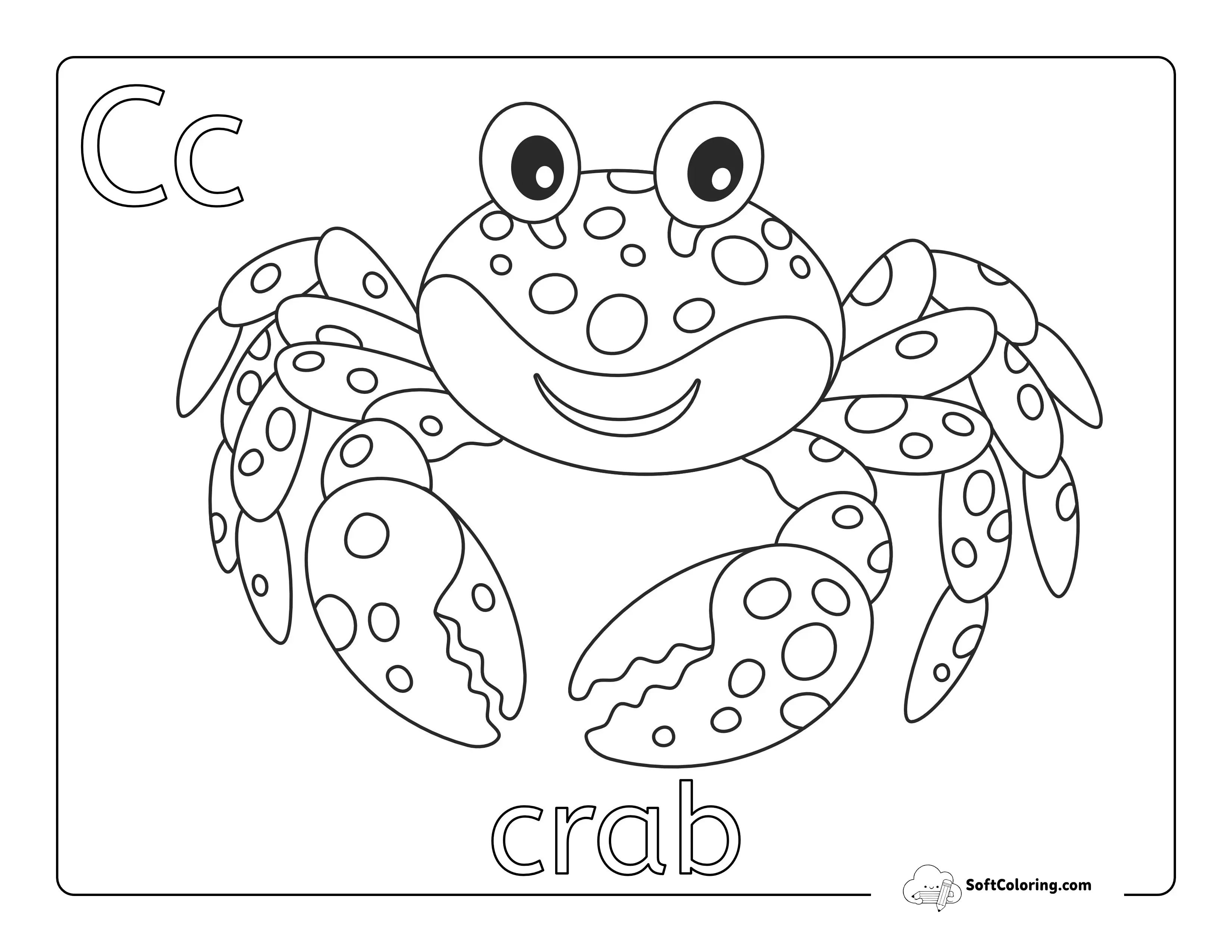 31 Sheets
Letter C Coloring Pages
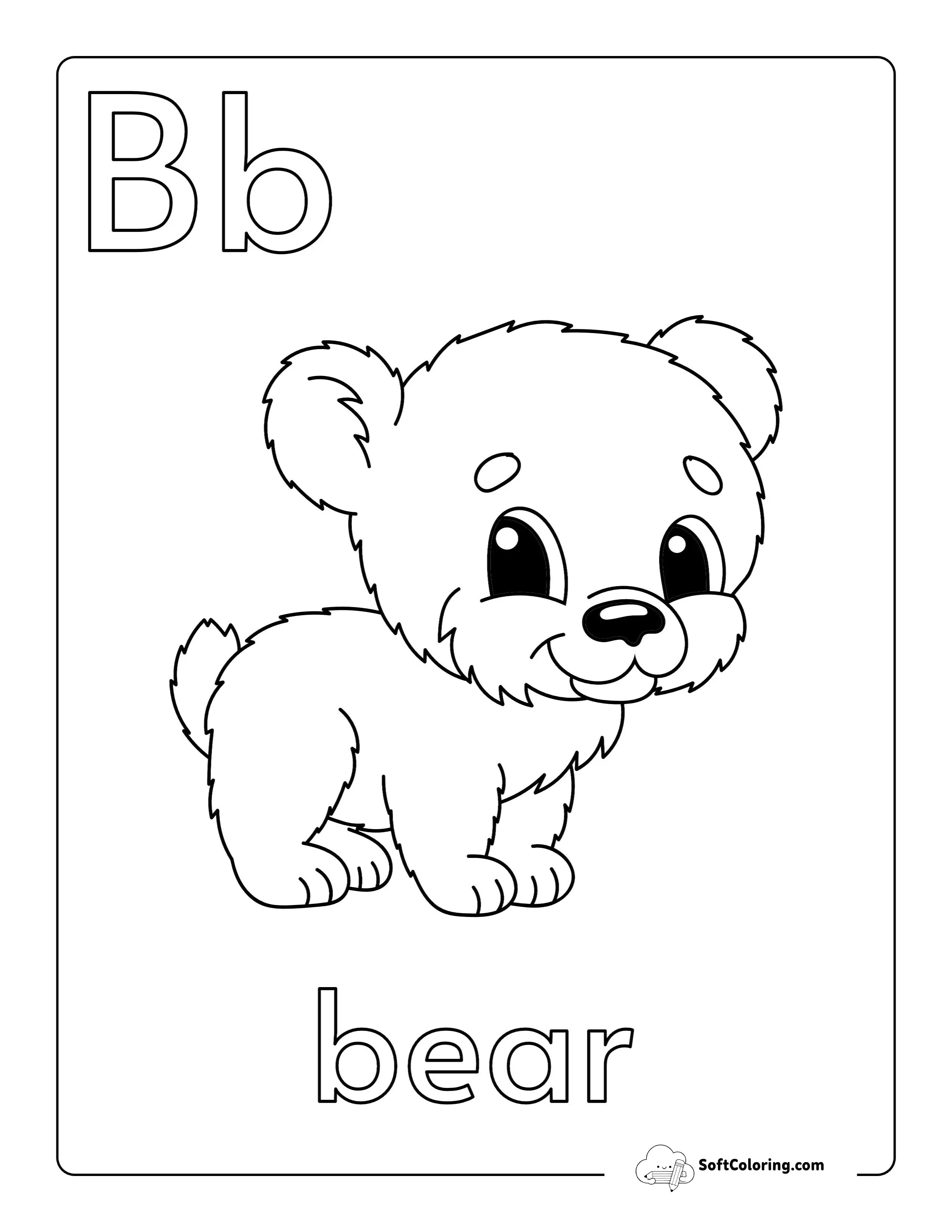 49 Sheets
Letter B Coloring Pages
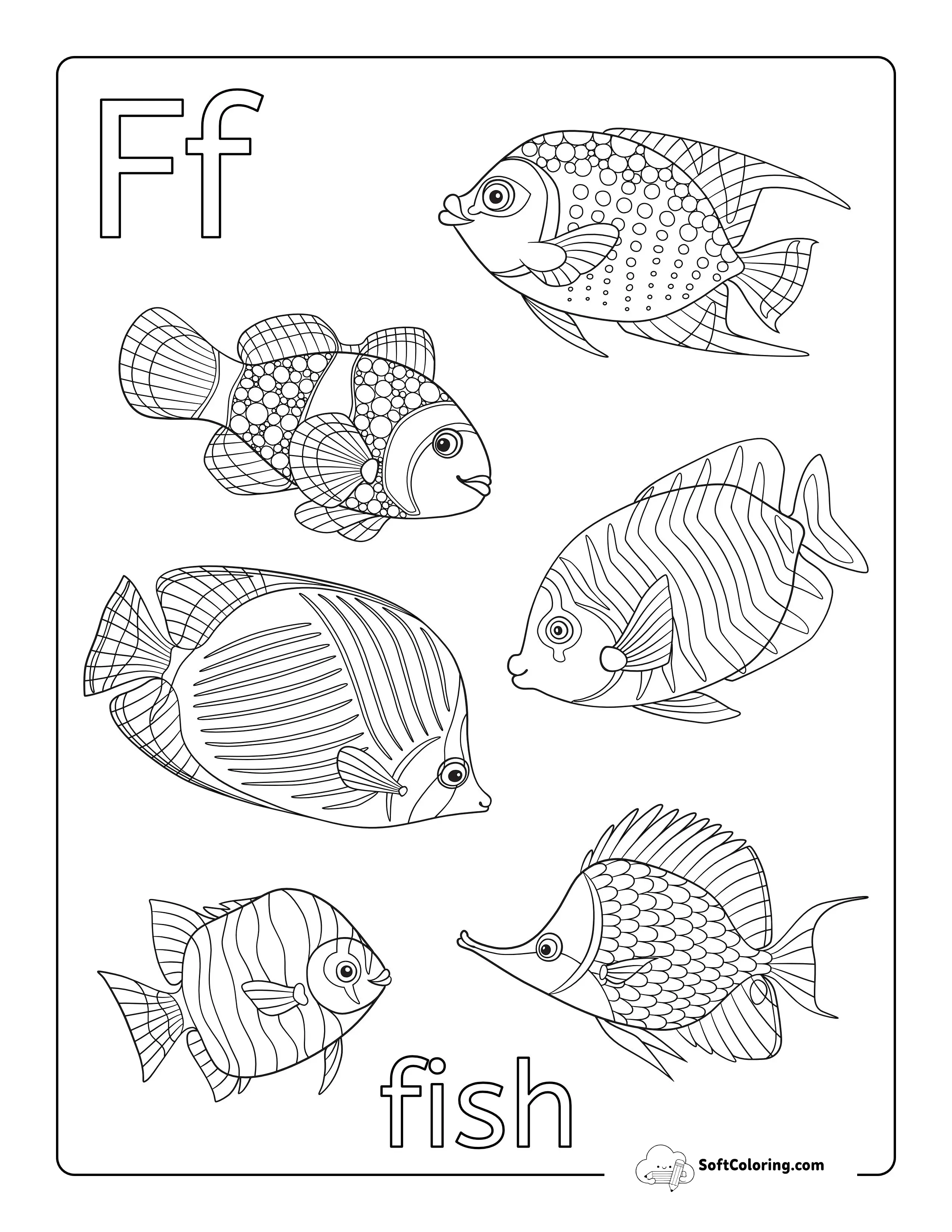 12 Sheets
Letter F Coloring Pages
 6 Sheets
Letter P Coloring Pages
 12 Sheets
Letter S Coloring Pages
 7 Sheets
Letter T Coloring Pages
 4 Sheets
Letter I Coloring Pages
 4 Sheets
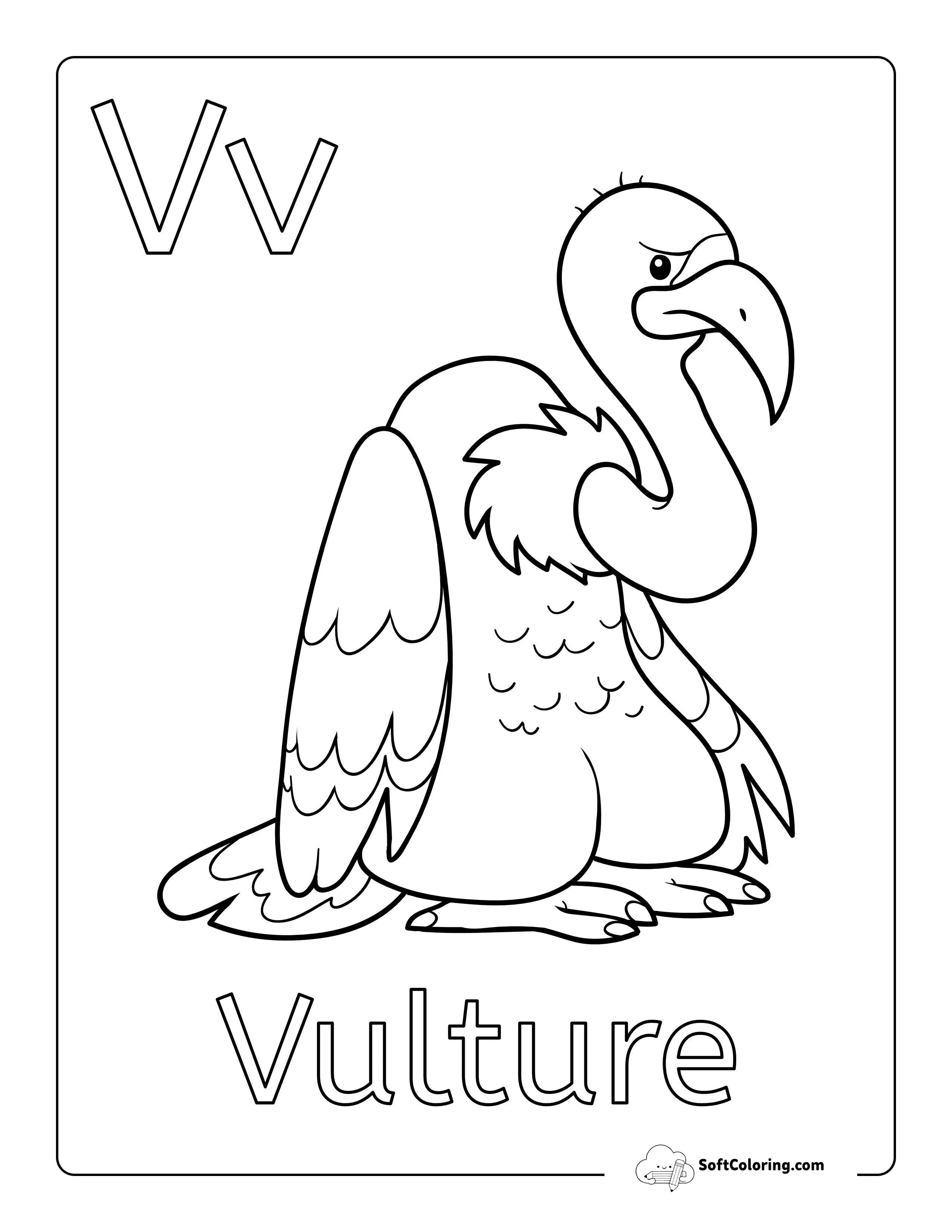
Letter V Coloring Pages
6 Sheets Letter L Coloring Pages
 11 Sheets
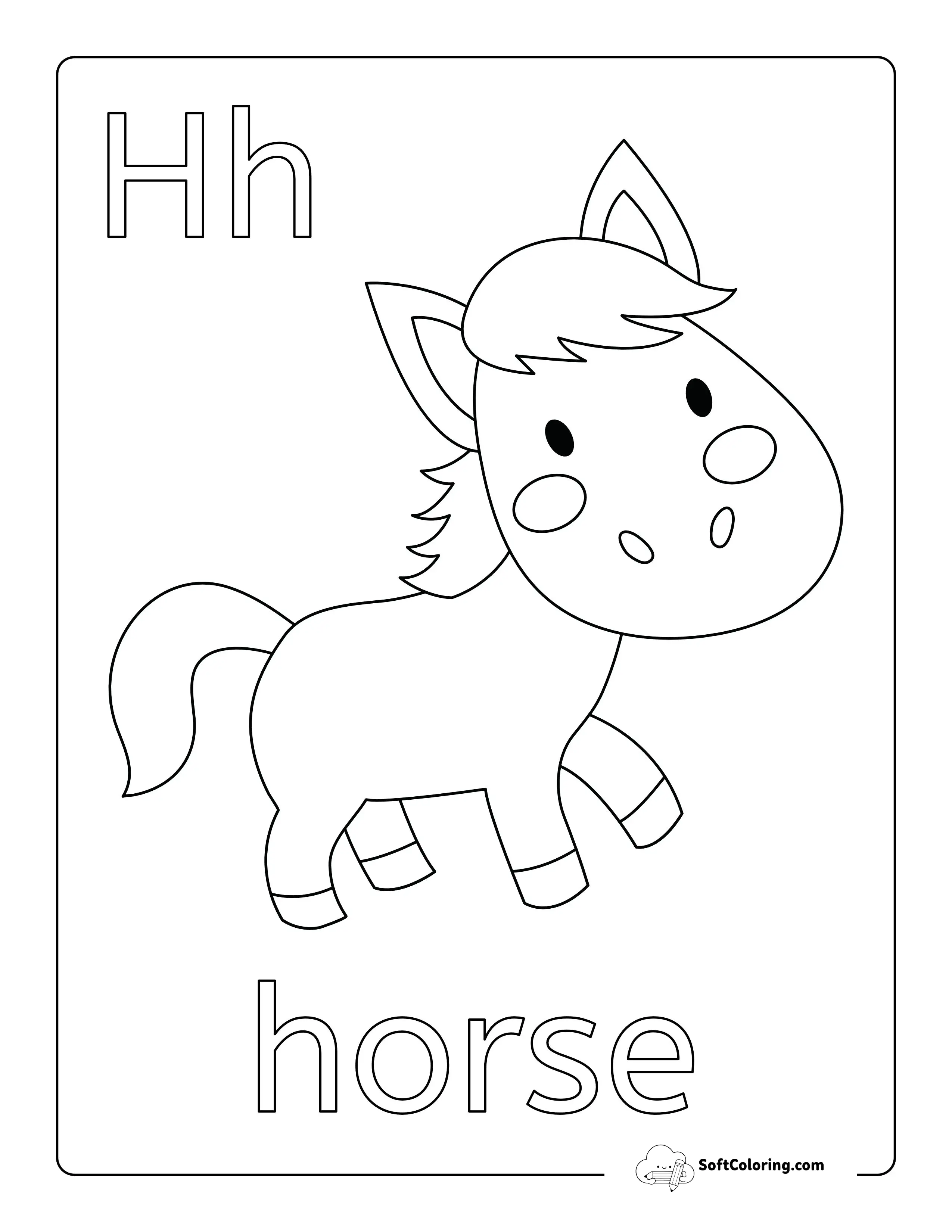
Letter H Coloring Pages
 8 Sheets
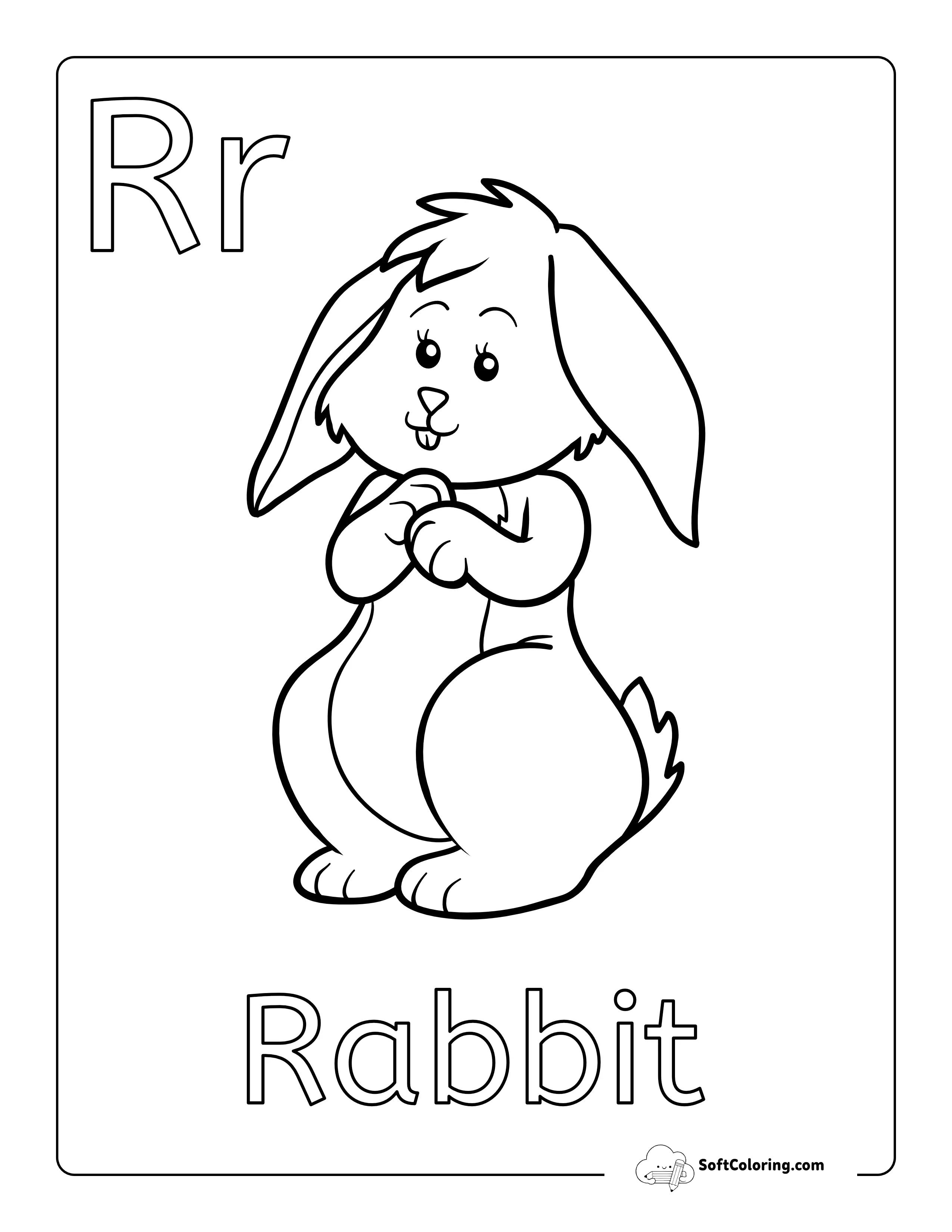
Letter R Coloring Pages
 4 Sheets
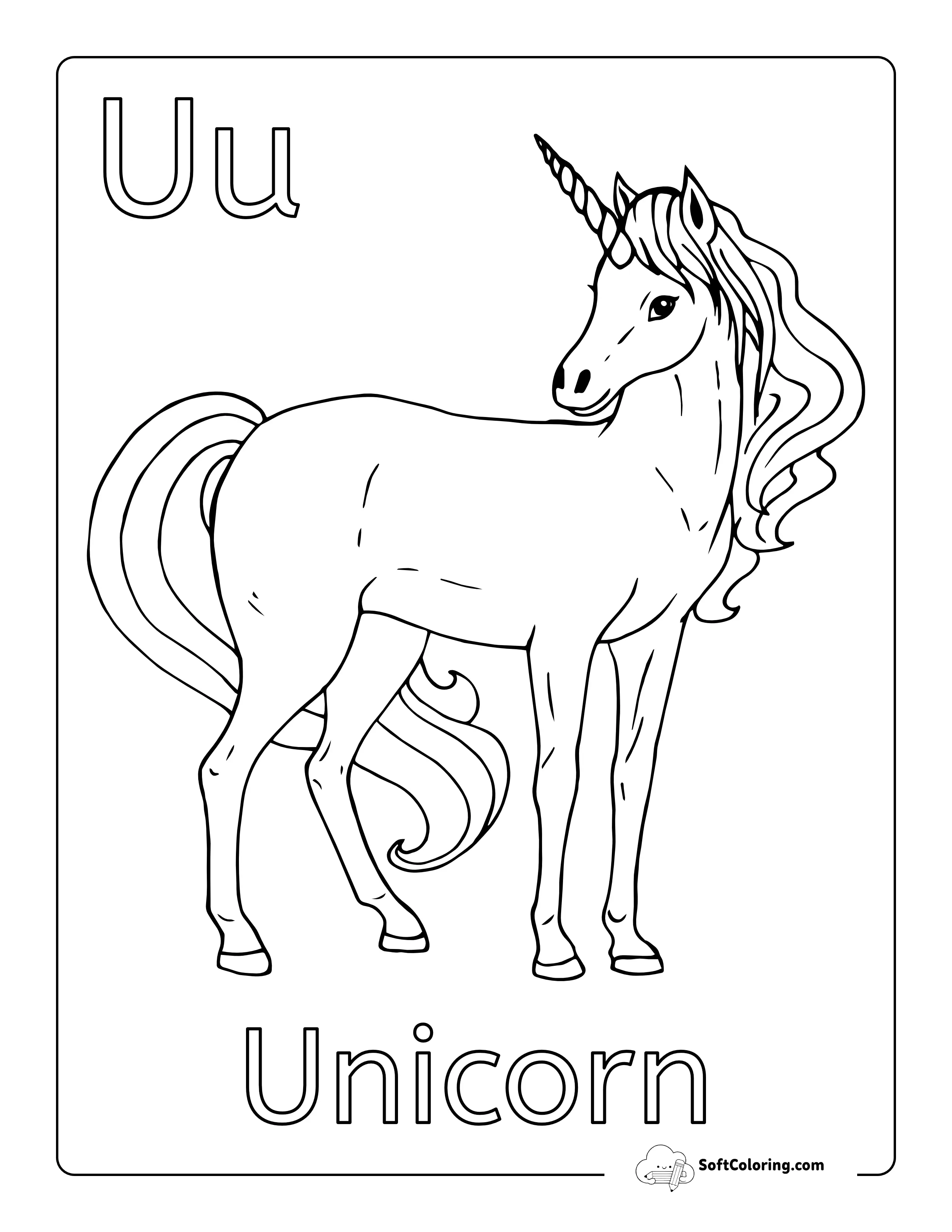
Letter U Coloring Pages
 7 Sheets
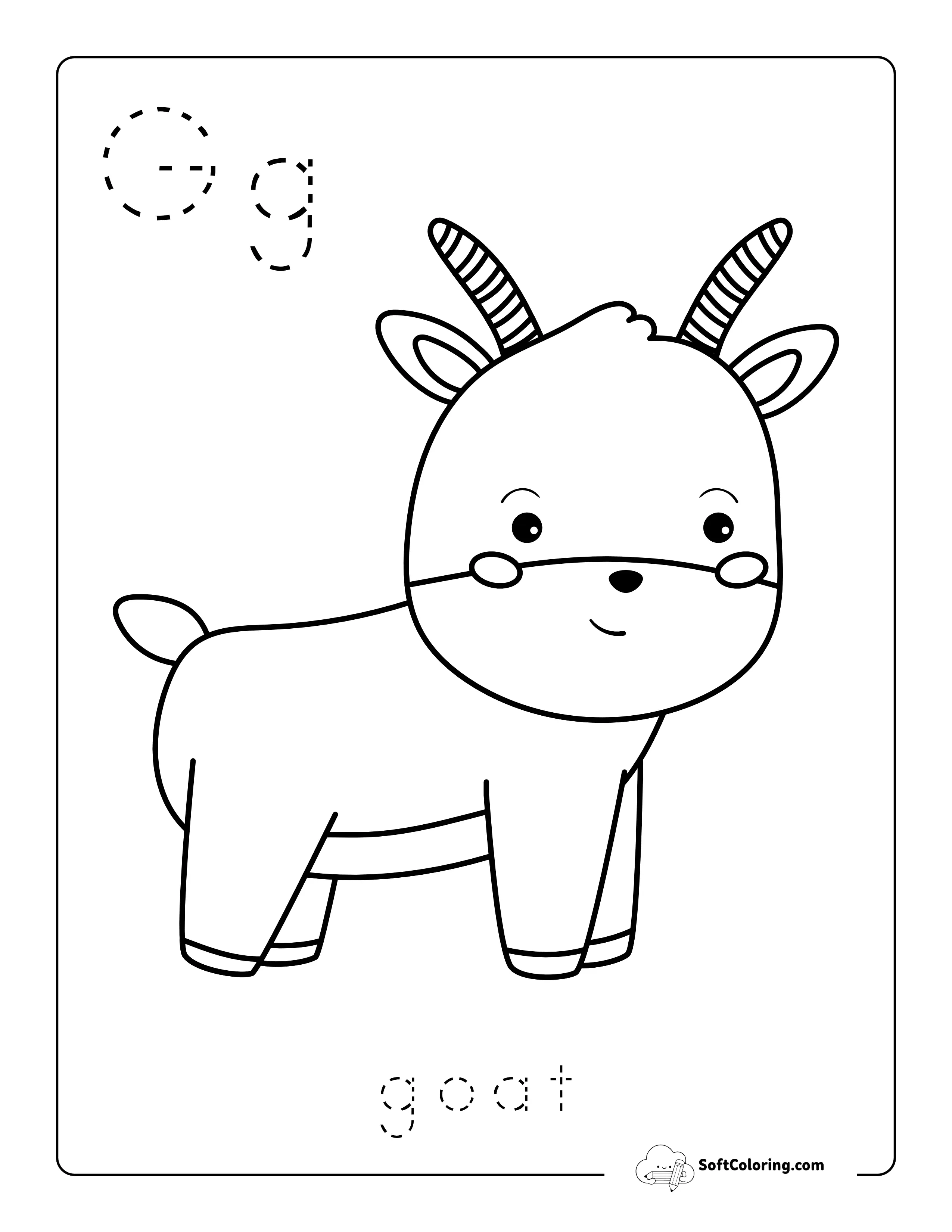
Letter G Coloring Pages
 3 Sheets
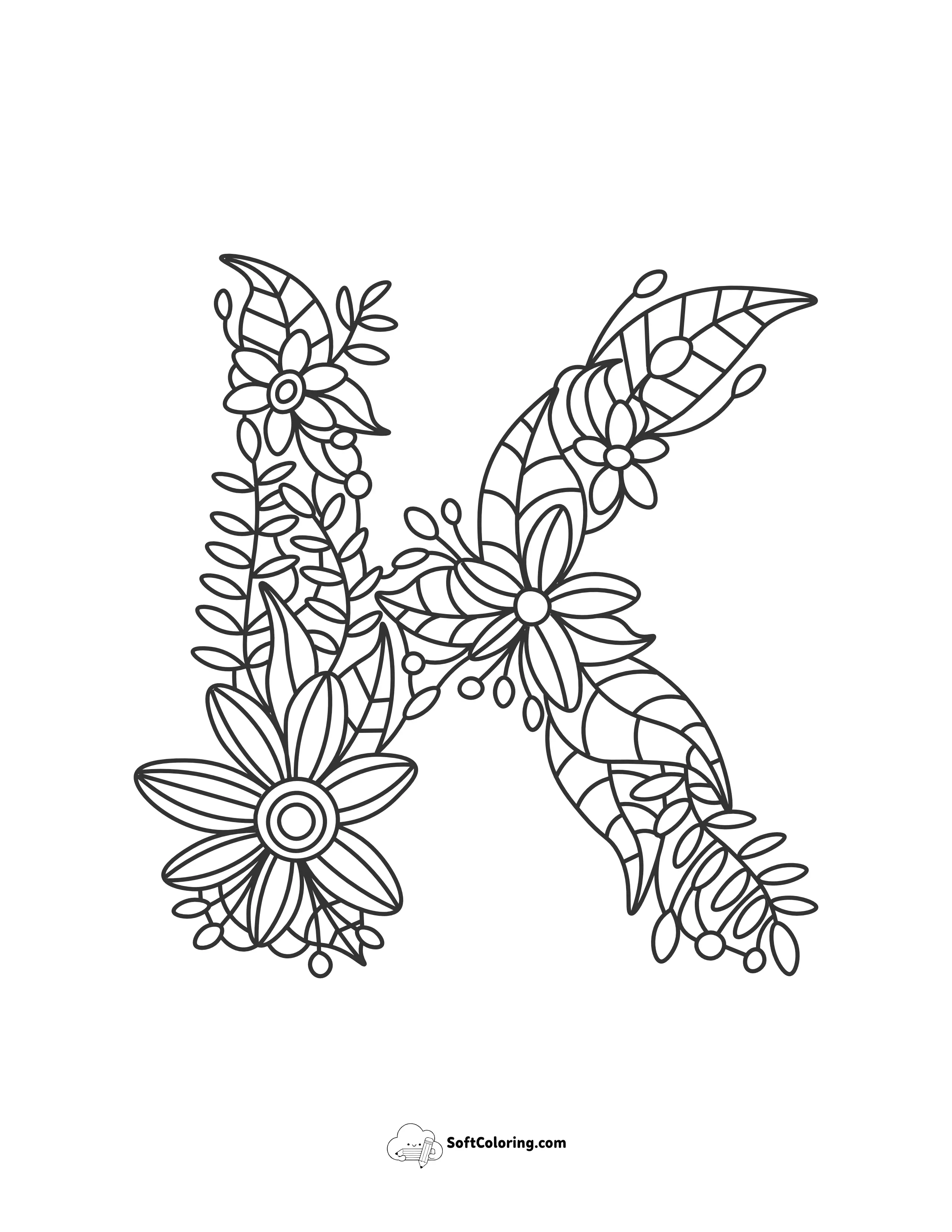
Letter K Coloring Pages
 3 Sheets
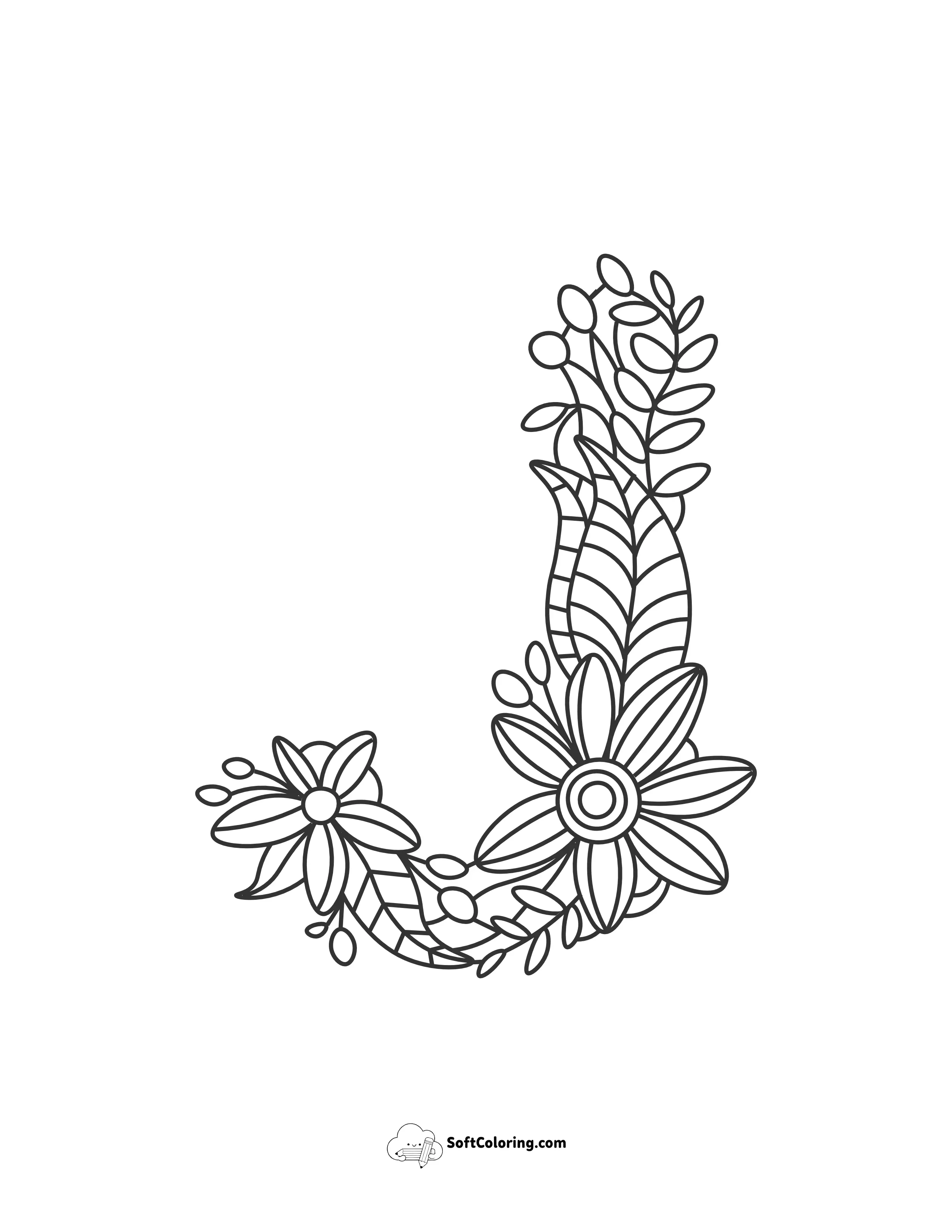
Letter J Coloring Pages
 3 Sheets
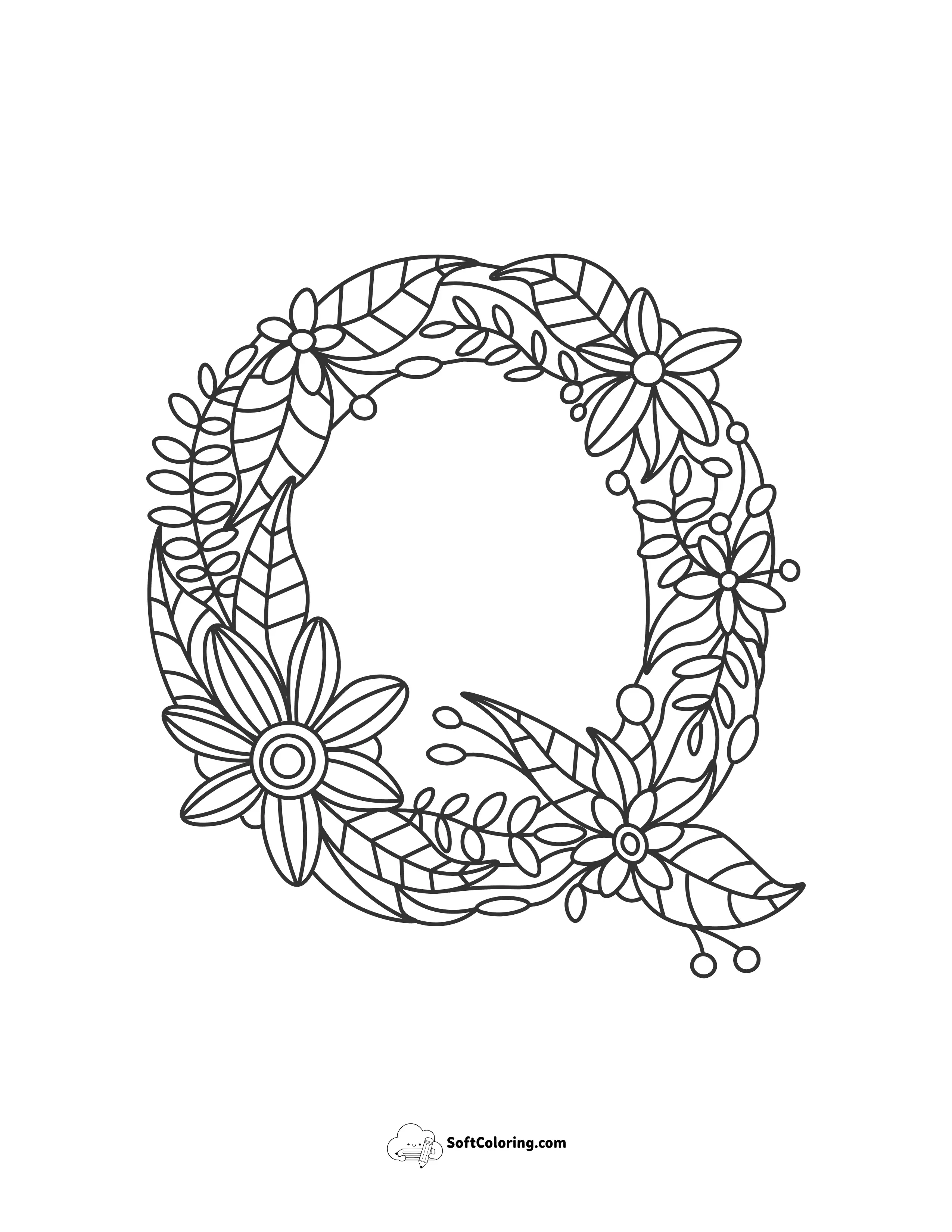
Letter Q Coloring Pages
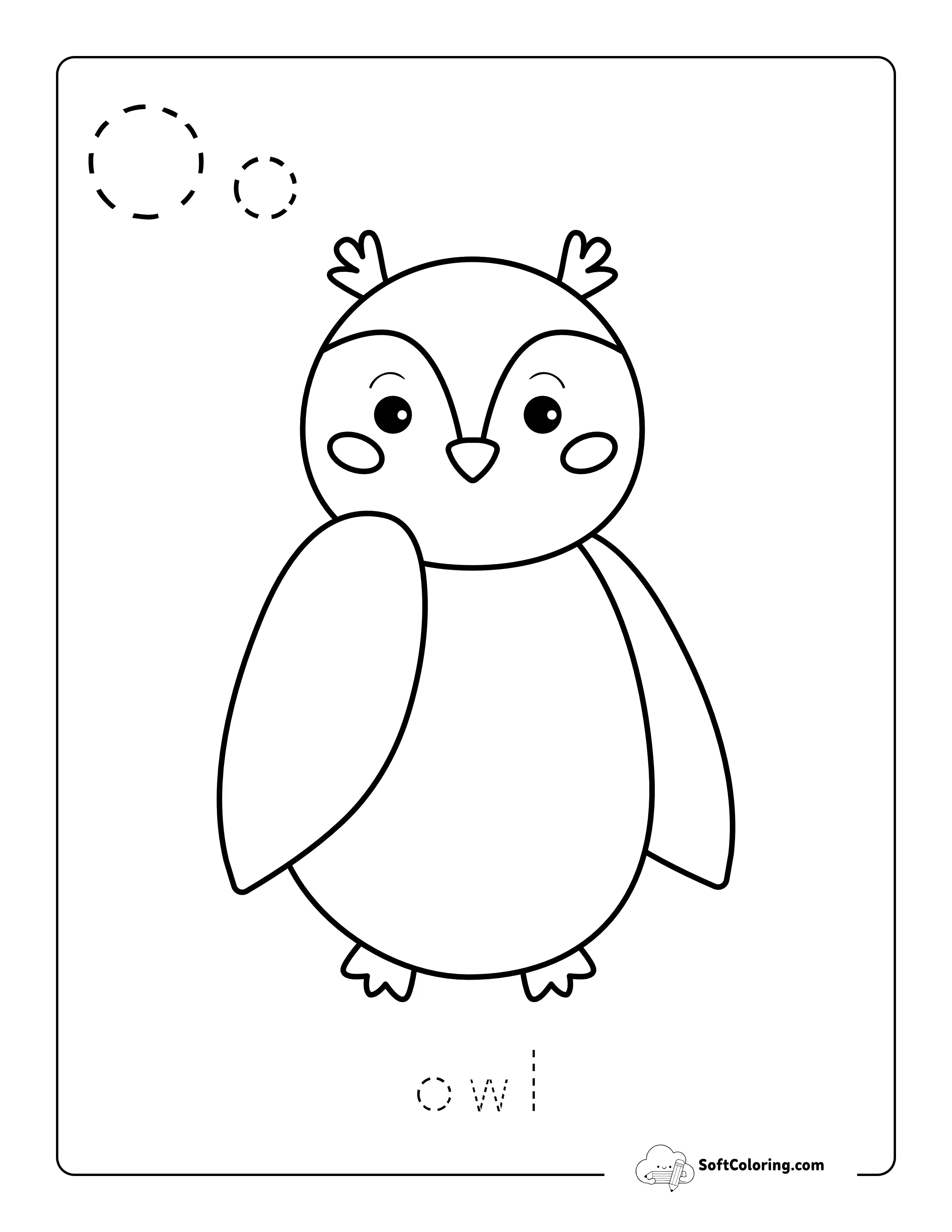 5 Sheets
Letter O Coloring Pages
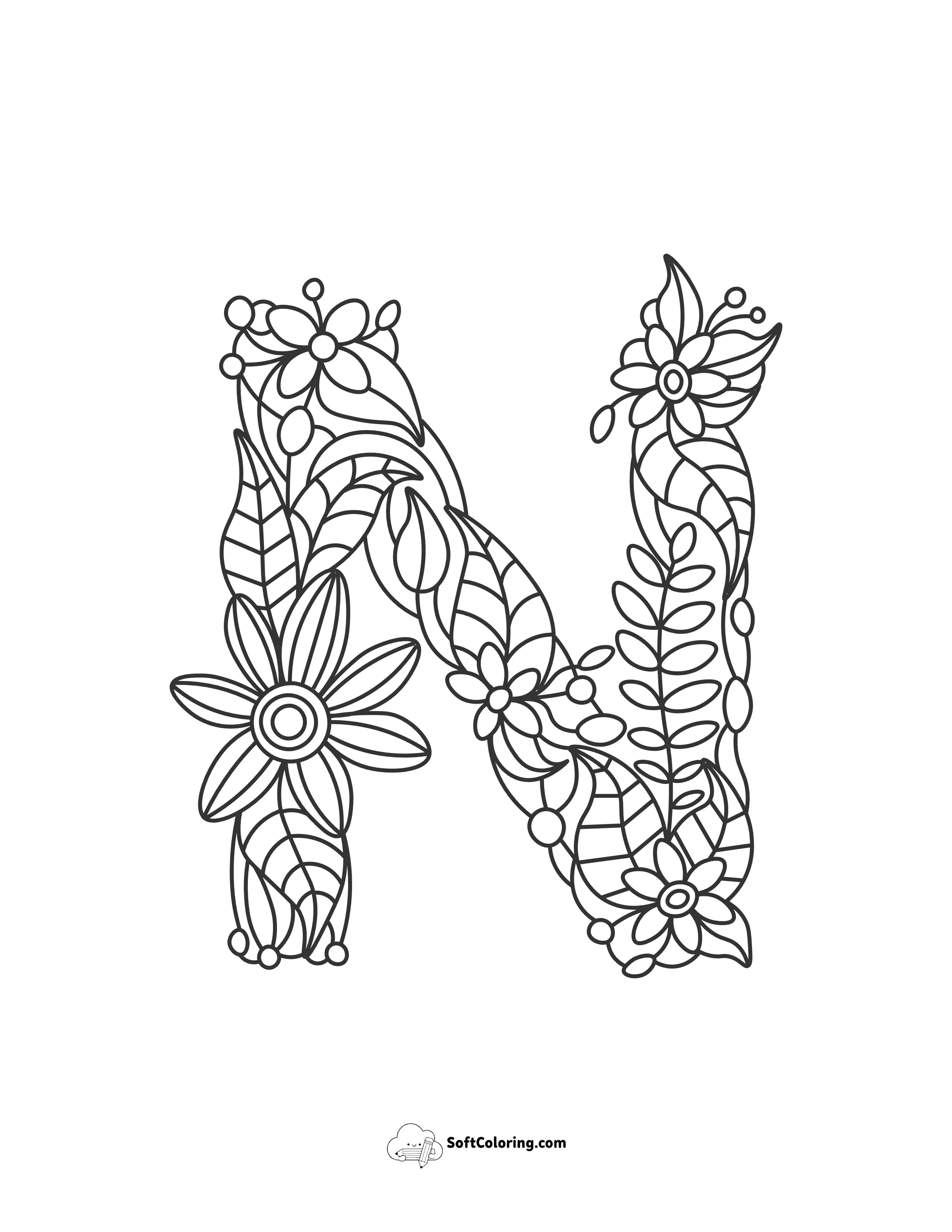 3 Sheets
Letter N Coloring Pages
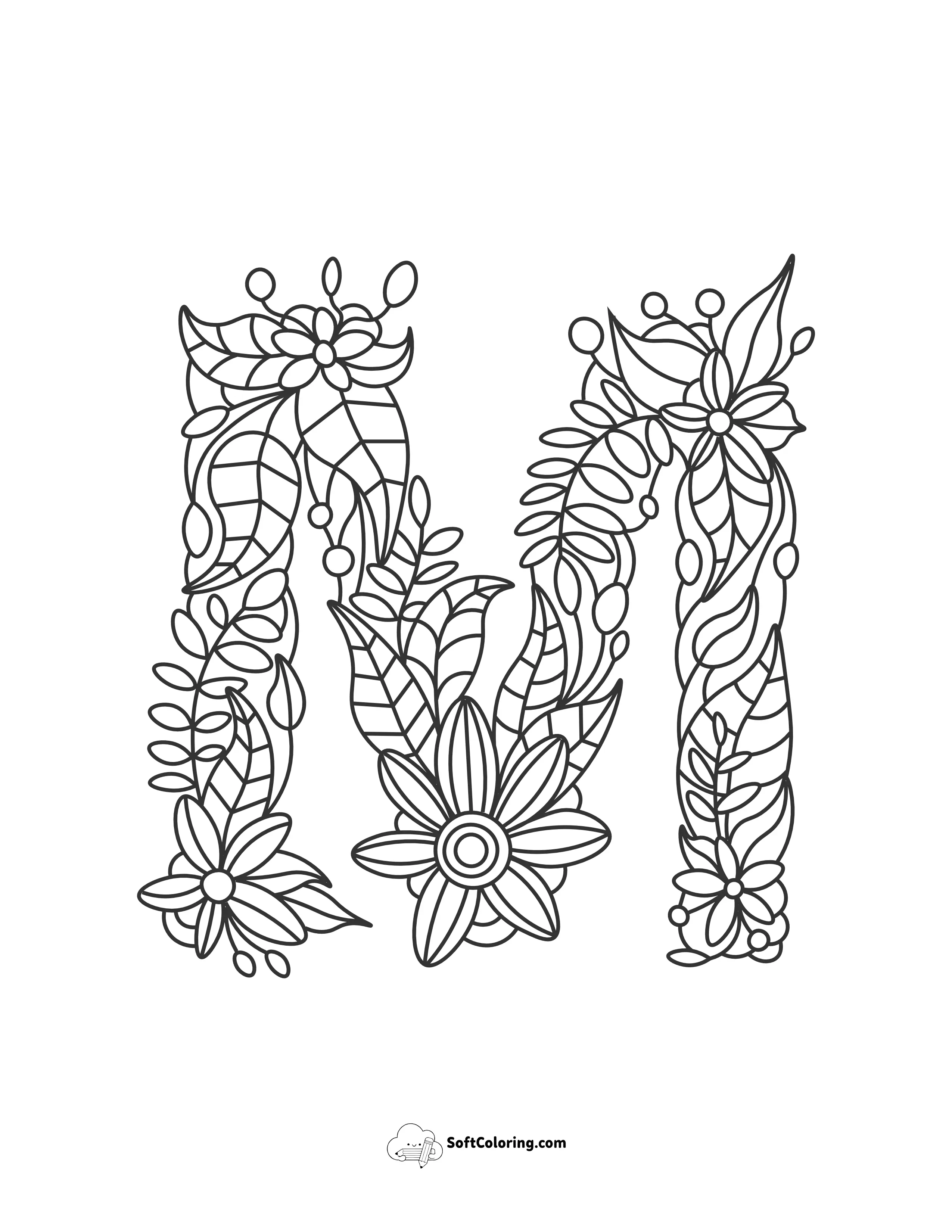 4 Sheets
Letter M Coloring Pages
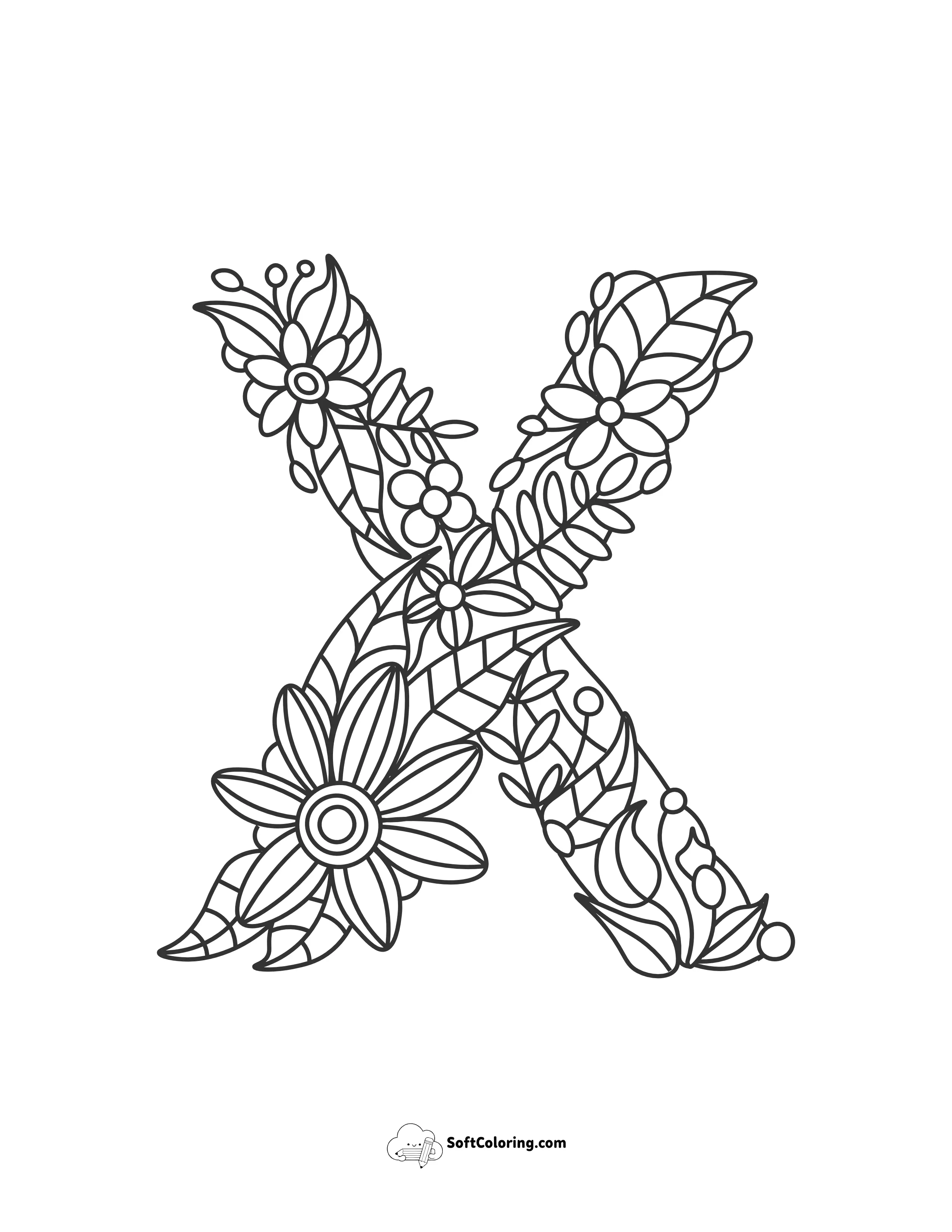 3 Sheets
Letter X Coloring Pages
 3 Sheets
Letter Y Coloring Pages
 4 Sheets
Letter Z Coloring Pages
 3 Sheets
Letter W Coloring Pages
Can't Find What You're Looking For?
Let us know what you want to color next, and our team will draw it for you!
Request a Coloring Page
Build Confident Reading Skills from A to Z
Multi-sensory letter worksheets designed to reinforce phonemic awareness, fine motor pencil grip, and beginning sound vocabulary.
Dual Uppercase and Lowercase Pairing
Children compare capital and small letter forms side by side, recognizing visual differences and structural lines through tactile crayon shading.
Sound Matching and Picture Cues
Each alphabet character connects with familiar objects like apples, bears, and cats, helping early readers link abstract letter symbols with audible spoken sounds.
Pre-Writing Paths and Tracing Flow
Spacious letter hollows and wide outer margins guide tiny fingers through natural stroke sequences, strengthening tripod pencil grips before formal handwriting drills.
Practical answers for using Alphabet Coloring Pages at home or in early learning settings.
What age is best to introduce alphabet coloring pages to children?
How do alphabet coloring sheets improve early phonics and reading readiness?
What coloring supplies work best for preschool letter tracing and coloring?
The Science of Early Literacy and Multi-Sensory Letter Formation
Learning the alphabet represents the foundational cornerstone of childhood literacy development, yet abstract letter symbols can initially feel confusing to young minds. When preschoolers interact with alphabet coloring sheets, they bridge the gap between visual symbol decoding, auditory phonics cues, and physical motor memory. Filling the wide curves of an uppercase B or tracing the downward loop of a lowercase g activates kinetic neural pathways that rote flashcard drills simply cannot replicate. This playful tactile immersion anchors letter recognition deeply in memory while turning early literacy into a joyous creative discovery.
Note for Parents and Early Educators speaking phonetic letter sounds aloud while children color corresponding animal illustrations accelerates phonemic awareness, expressive speech development, and lasting vocabulary retention.
Multi-Sensory Alphabet Activities for Preschool and Kindergarten
Transform standard letter coloring sessions into comprehensive pre-reading workshops that develop confident phonetic recognition, early language skills, and fine motor dexterity.
Tactile Finger Tracing and Sound Chanting introduces correct handwriting stroke orders before children even pick up a pencil. Guide your child to trace their index finger inside the hollow letter lines from top to bottom, chanting the short phonics sound with every stroke. Once the physical path feels familiar, encourage them to fill the letter interior using bright crayons or stamp markers, reinforcing proper directional flow through repetitive muscle memory.
Beginning Sound Scavenger Hunts connects paper illustrations directly with real household objects and kitchen essentials. After coloring a sheet featuring the letter M and a picture of a mug, invite your child on a living room exploration to locate three additional items that begin with the same sound, like a mitten, a mirror, or a toy monkey. Placing these real objects directly on the colored paper sheet reinforces auditory sound isolation and contextual vocabulary.
Classroom Alphabet Wall and Personal ABC Binders builds cumulative pride as children master the complete sequence from A to Z. Hole punch completed sheets and assemble them into a personalized alphabet binder that children can review before bedtime stories. In classroom settings, displaying twenty-six completed student letter artworks along the wall creates an inclusive, student-made environmental print frieze that anchors daily phonics lessons.
Paper Weight and Grip Development Guidelines
Standard twenty-pound copier paper handles dry wax crayons and colored pencils well during casual tabletop practice. When teachers and parents plan to use watercolor paints, dot dabber markers, or finger paint on alphabet outlines, print designs onto sixty-five-pound sturdy white cardstock to avoid surface tearing and ink bleed. Providing triangular crayons or short golf pencils naturally encourages an ergonomic tripod grasp, preparing tiny hands for comfortable lifelong writing fluency.