Free Printable Letter S Coloring Pages
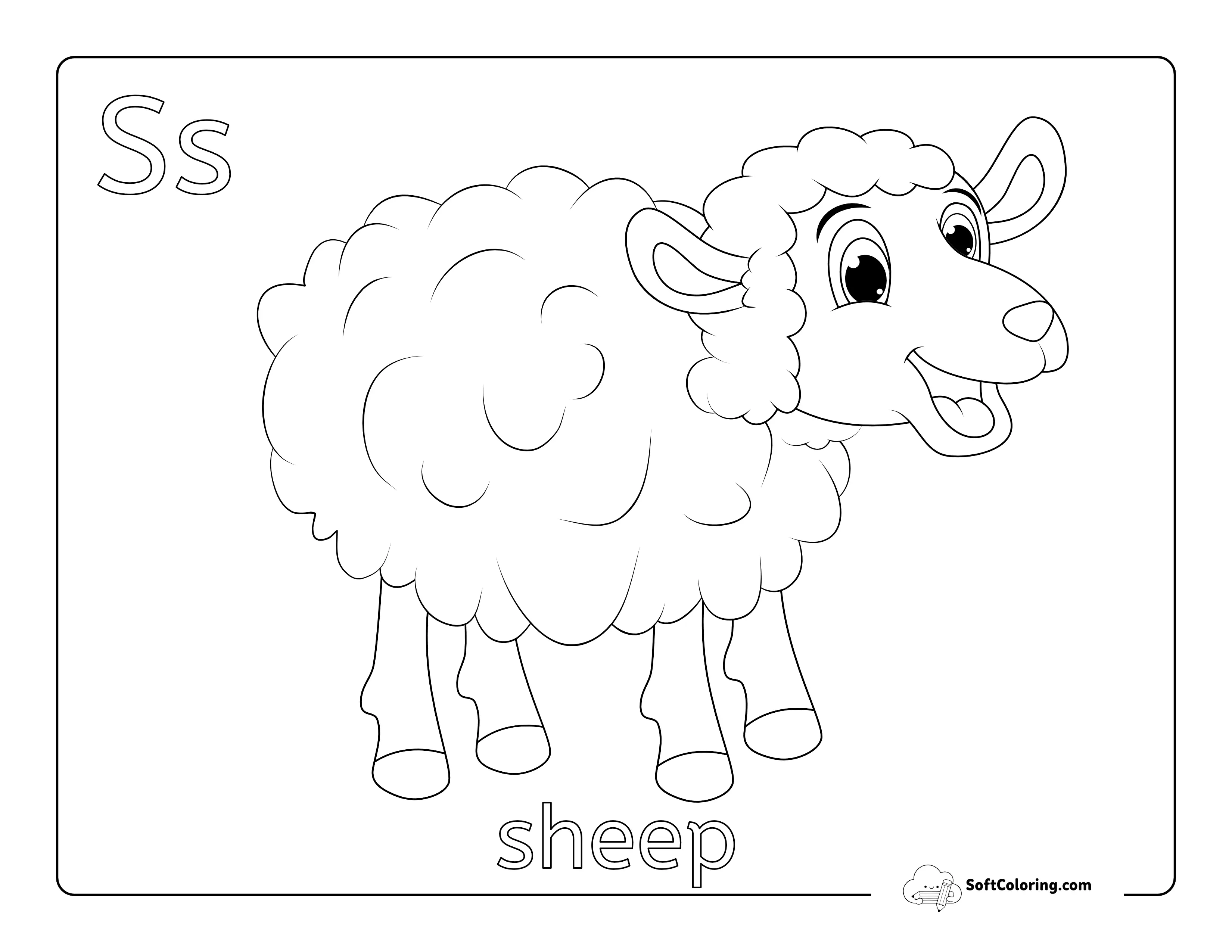
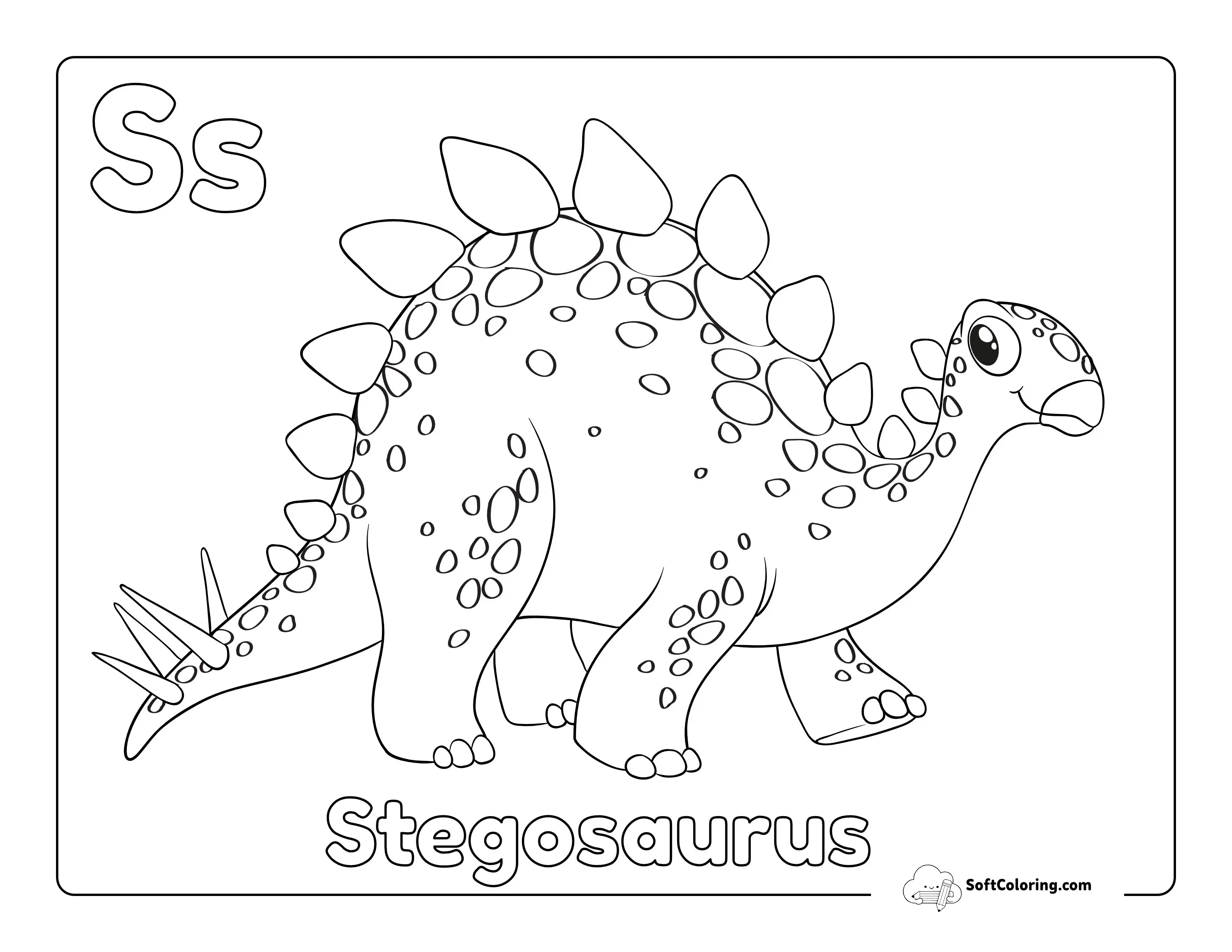
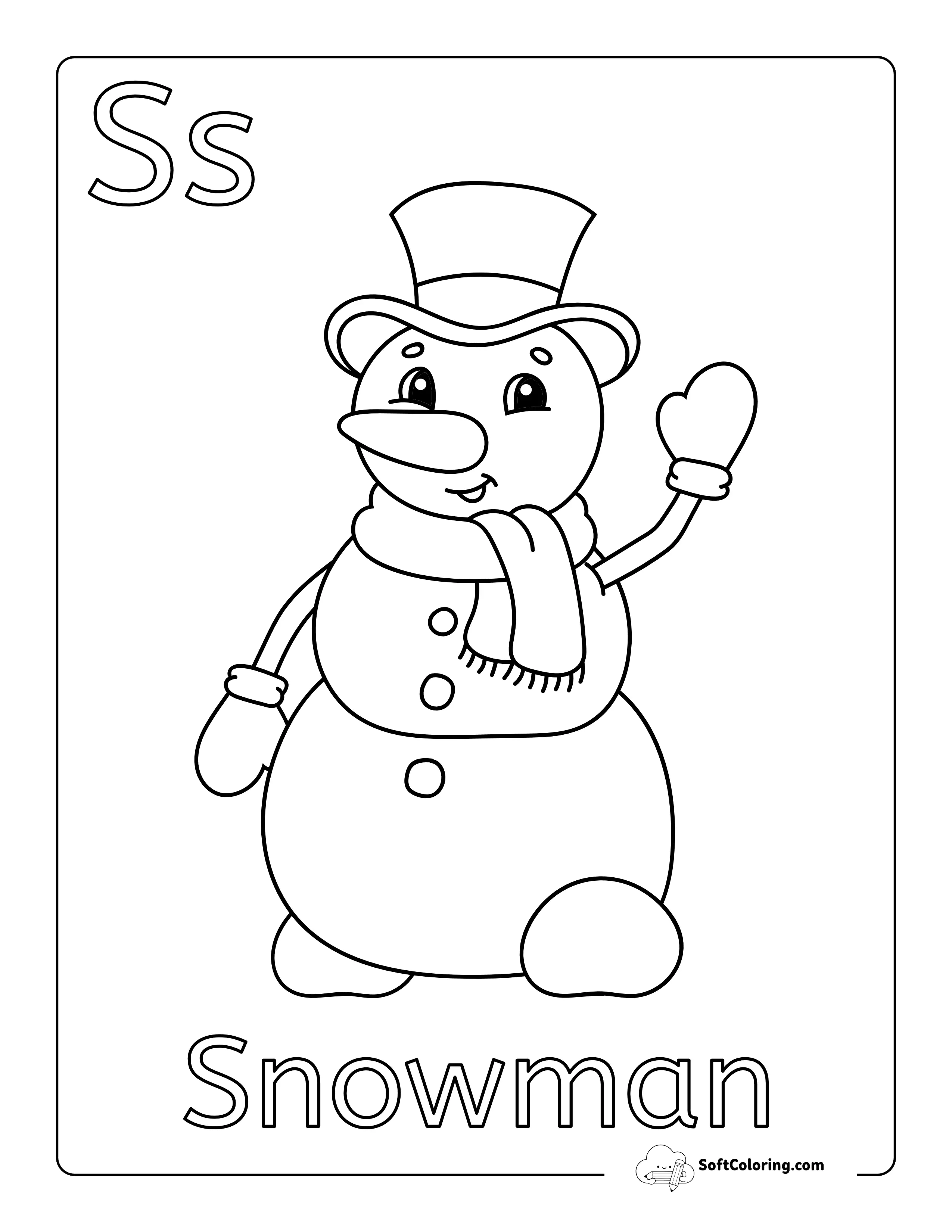
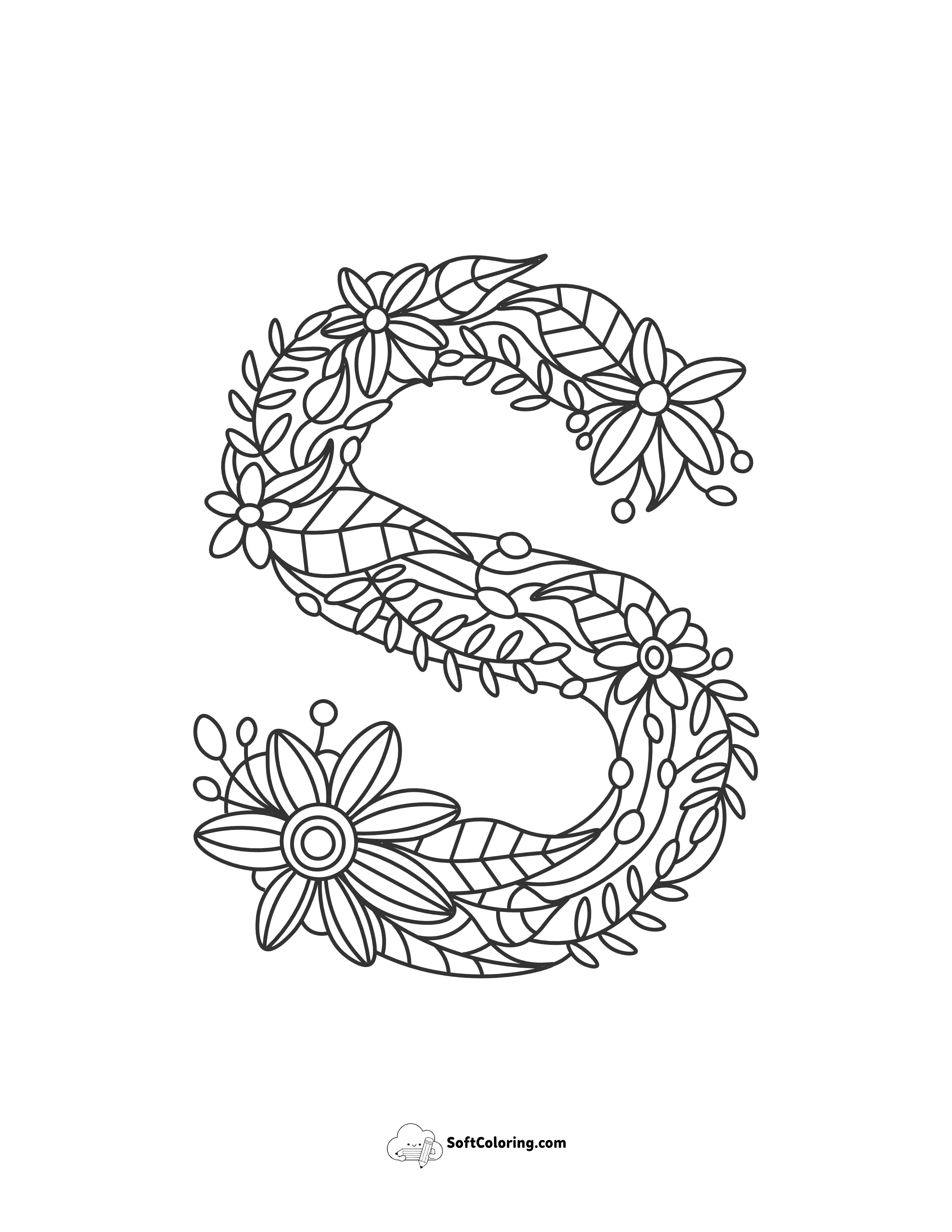
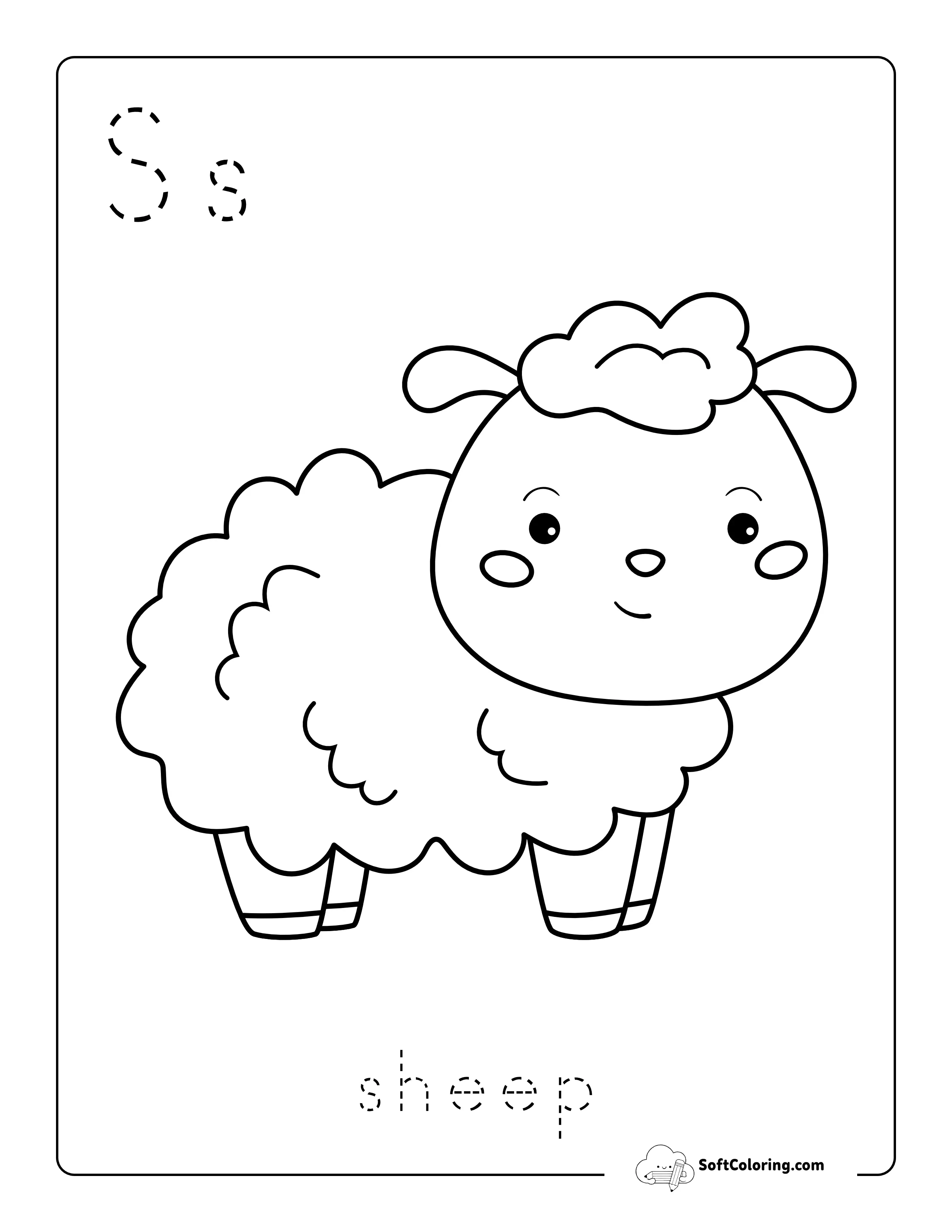
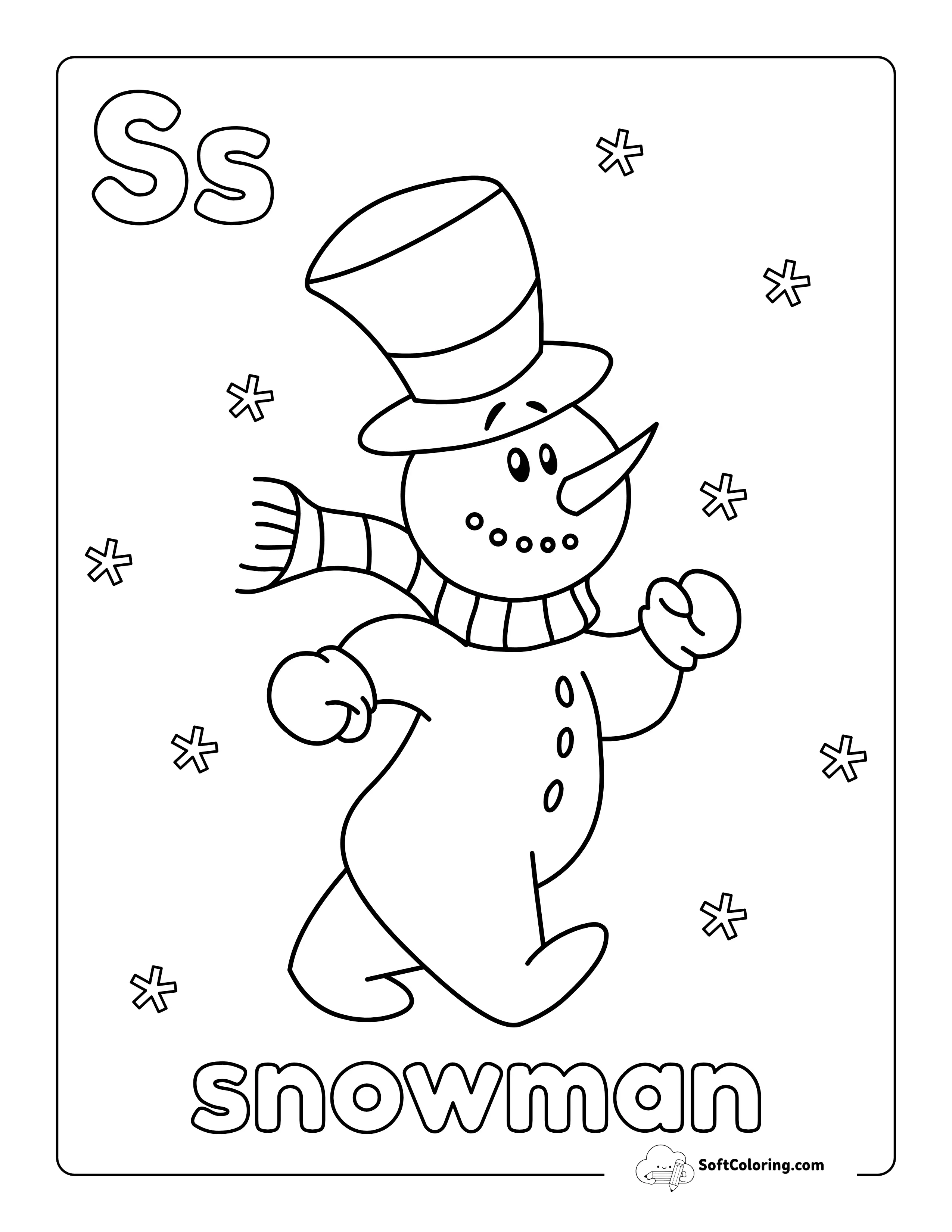
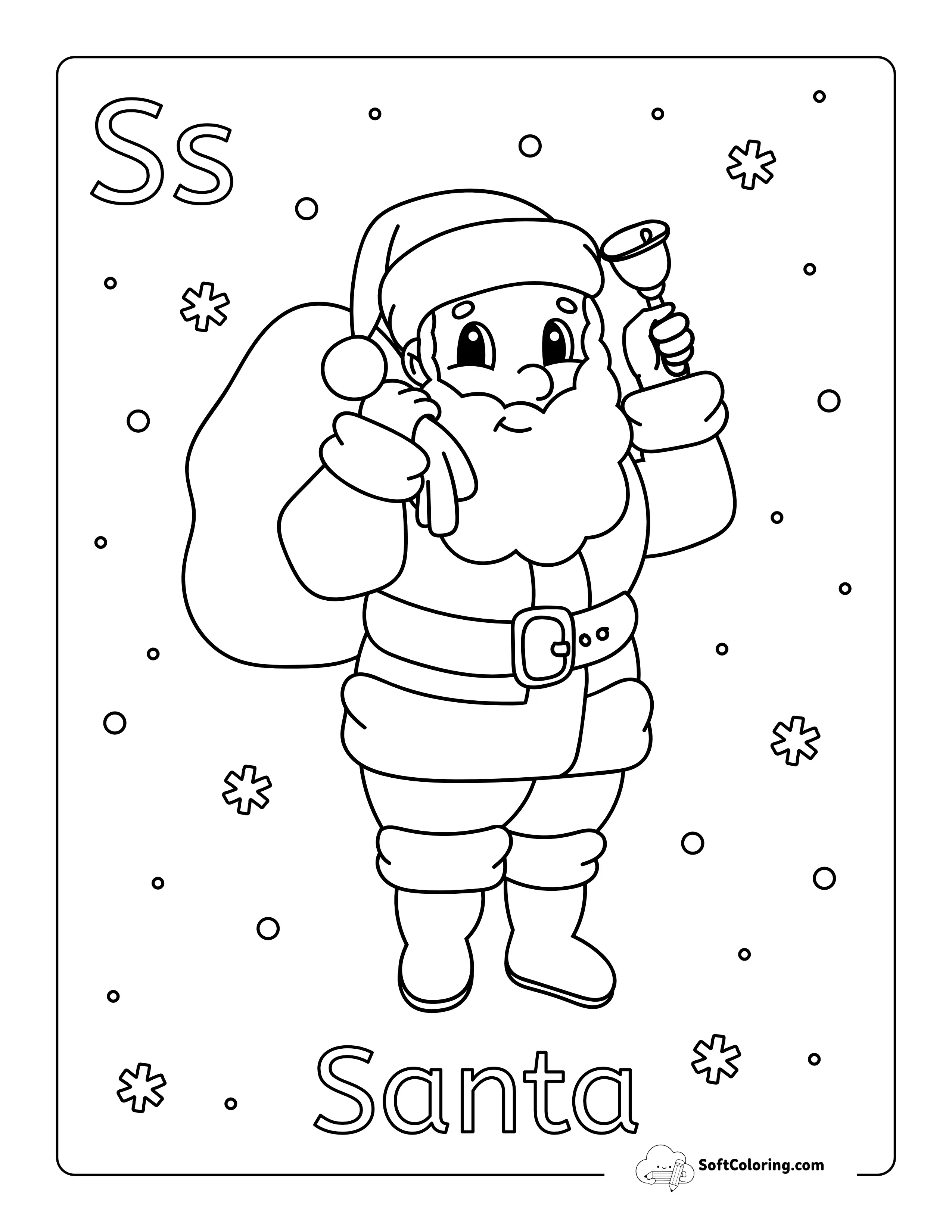
Slide and curve with our free printable Letter S coloring pages! Featuring slithering garden snakes, warm smiling sunshine, and gentle sailboats, these sheets teach wrist control through artistic play. Bold lines help little artists navigate winding curves without feeling boxed in. Click on any picture below to print instantly and start coloring!
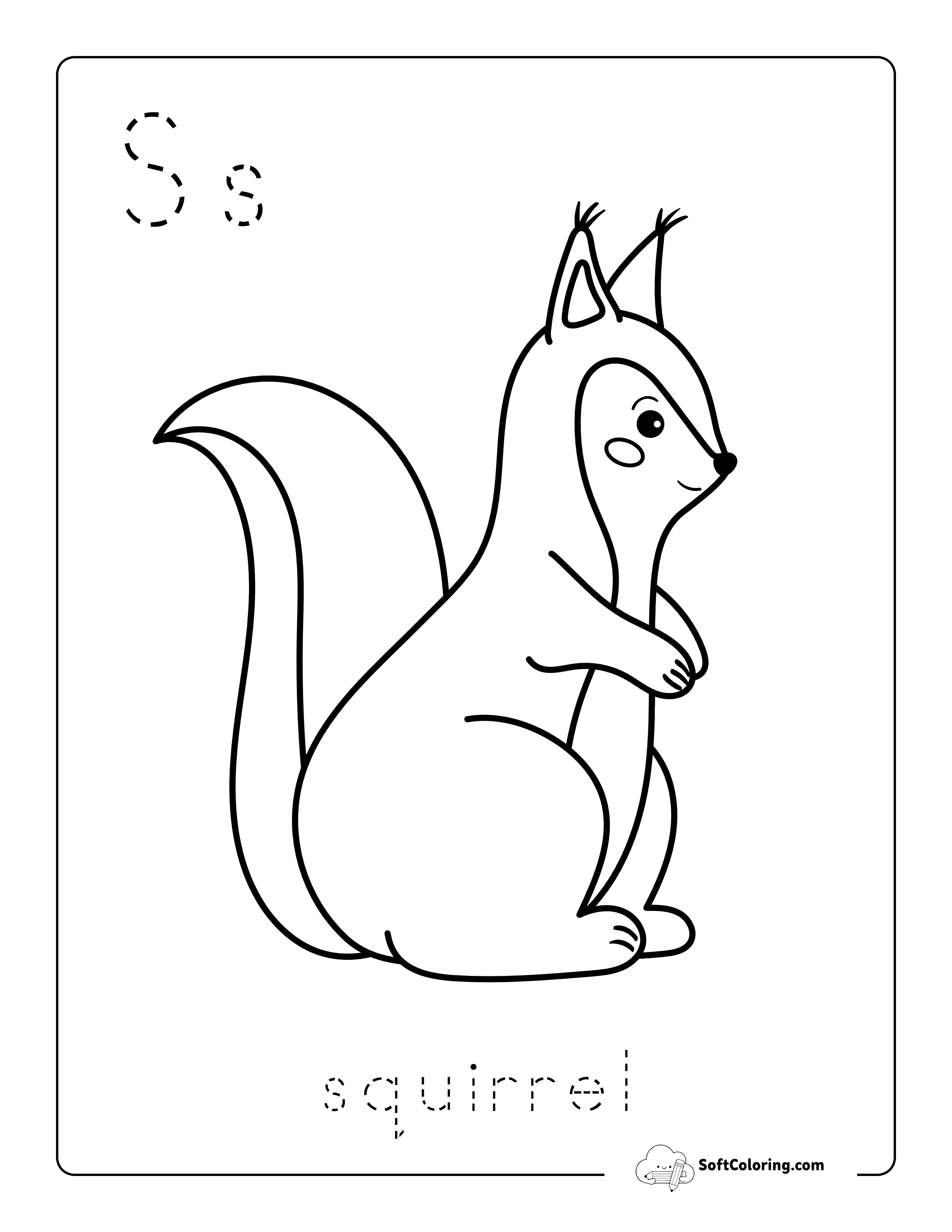
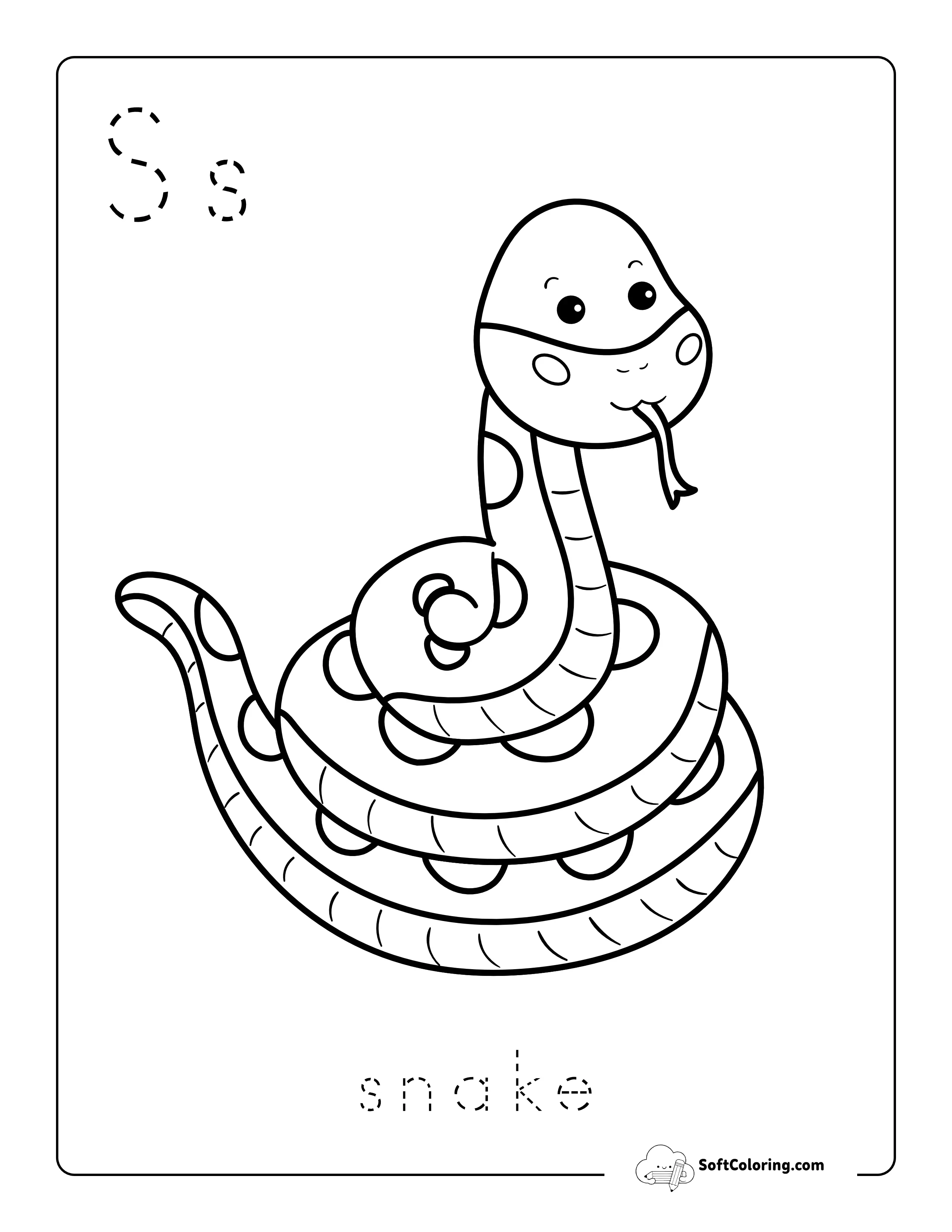
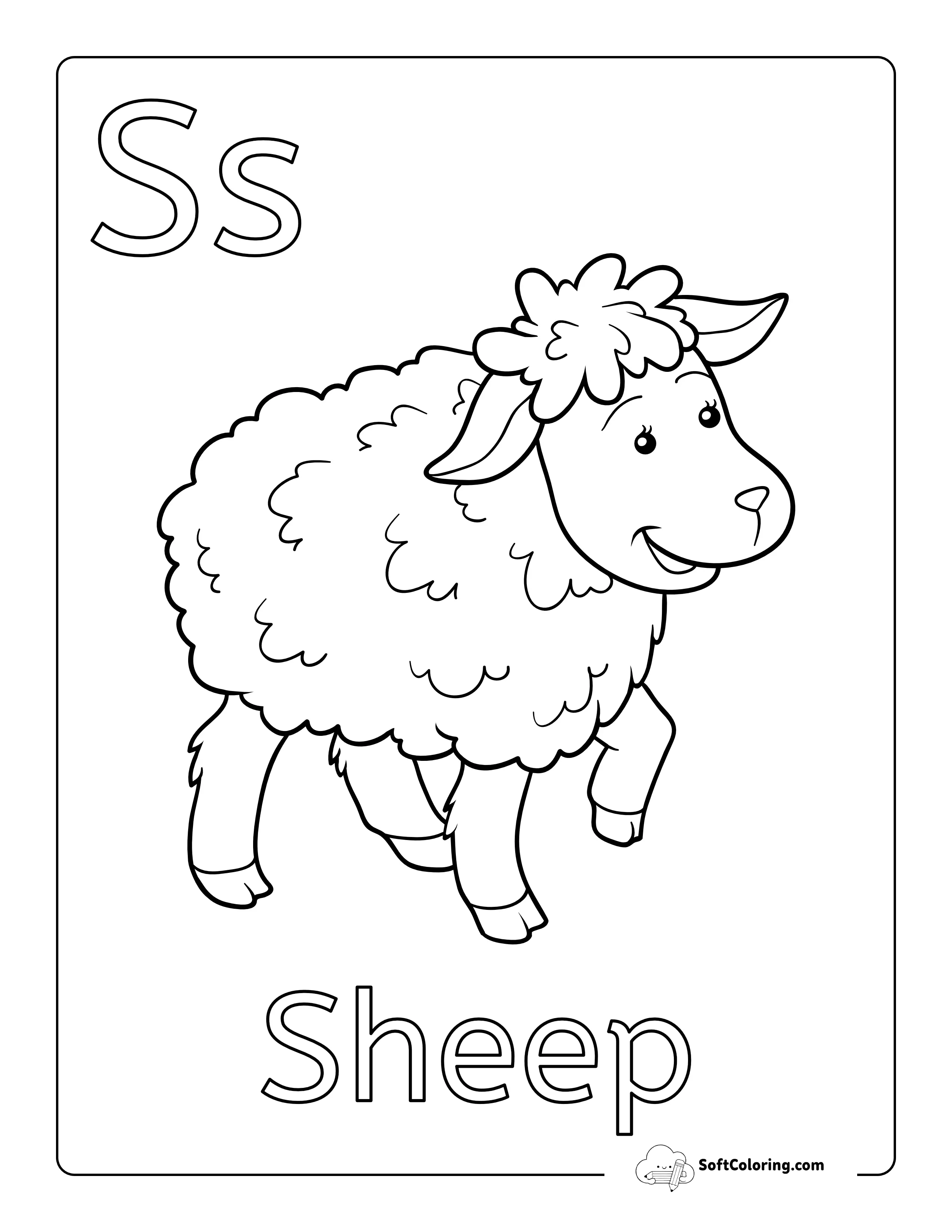
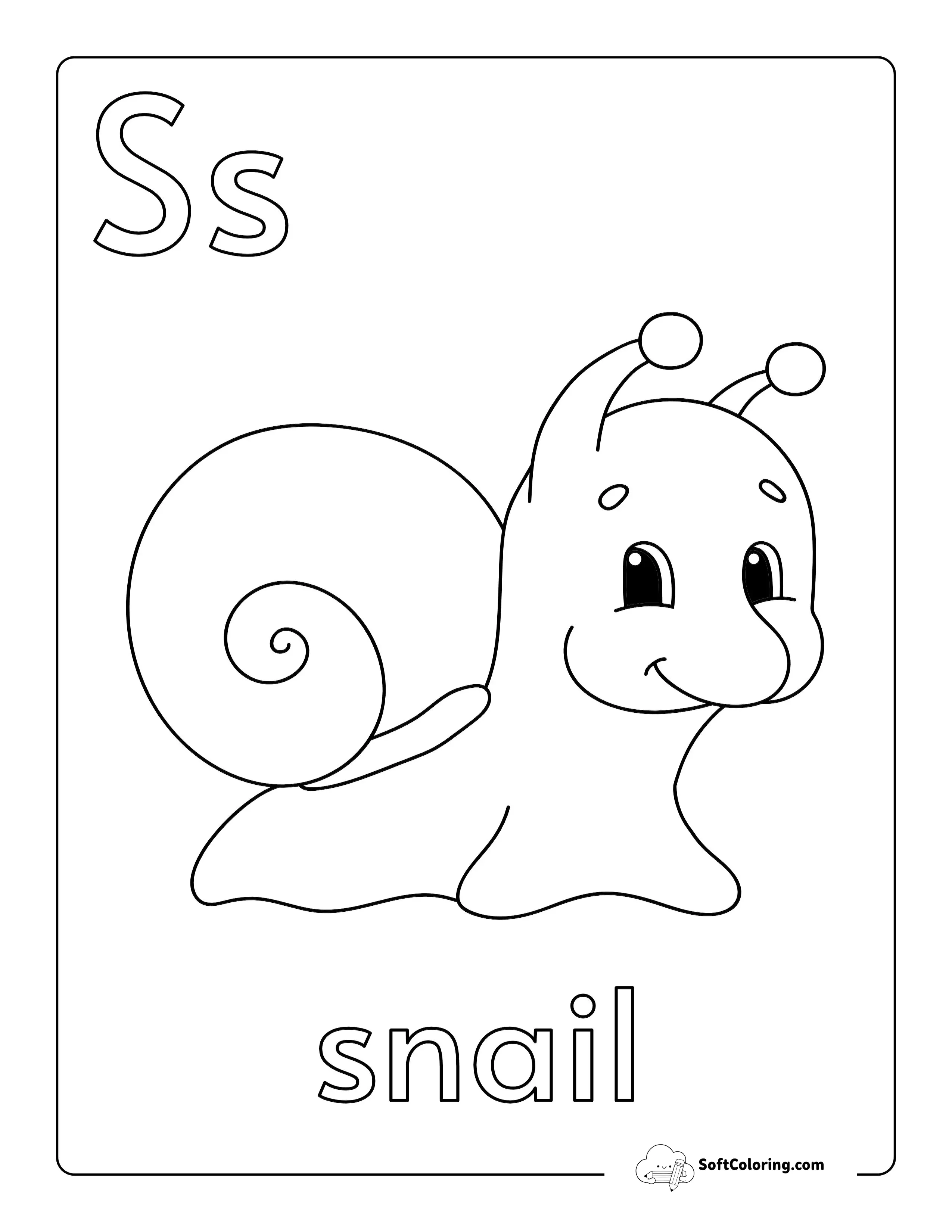
Can't Find What You're Looking For?
Let us know what you want to color next, and our team will draw it for you!
Request a Coloring Page
Frequently Asked Questions
Why do so many five-year-olds write the letter S completely backward?
Should I correct my child every time they color outside the wavy lines of Letter S?
You Might Also Like These Related Collections ✨
Explore more adorable printables and popular themes handpicked for your little ones:
 8 Sheets
Letter R Coloring Pages
 3 Sheets
Letter J Coloring Pages
 6 Sheets
Letter L Coloring Pages
 49 Sheets
Letter B Coloring Pages
Why Letter S Demands Serious Wrist Agility
Ask a four-year-old to draw a straight line, and they can usually pull their arm down with confident momentum. But ask that same child to draw a letter S, and their fingers often lock up. That hesitation makes complete developmental sense: letter S is one of the only characters in the entire alphabet that forces a child to change direction twice in mid-air without a single straight backbone to anchor their pencil.
Writing an S requires sweeping out a smooth top curve to the left, sliding diagonally across the middle, and reversing direction to scoop out a wide bottom bowl to the right. Because of this continuous S-bend motion, many kindergarteners accidentally loop back on themselves and end up drawing a figure-8 or a backward squiggle. Coloring wide, friendly Letter S bubble illustrations lets developing wrist tendons relax and internalize that serpentine flow long before they face the pressure of narrow kindergarten handwriting lines.
Connecting the Sound to Sunshine and Sailboats
One wonderful phonetic property of the /s/ sound is that children can stretch it out indefinitely like air slowly hissing out of a bicycle tire: Sssssssss. This makes it an extraordinarily rewarding sound to blend into early words, especially when paired with radiant, positive imagery:
- Warm Sunshine: Beaming sun faces with radiating geometric rays that give toddlers lots of straight lines to color after navigating the wavy curves of letter S.
- Ocean Adventures: Wooden sailboats cutting through rolling ocean swells, jumping sea stars resting on sandy sea floors, and graceful seahorses bobbing near coral reefs.
- Friendly Reptiles: Winding garden snakes with cheerful smiling faces and spotted scale segments that invite multicolored pattern shading.
- Cozy Everyday Items: Snug winter socks decorated with zigzags, delicious strawberry treats, and gentle spiderwebs laced with morning dew.
Simple Muscle-Memory Cues
Because letter S curves back and forth like a mountain road, it is among the most frequently reversed letters in early primary school. Children often look at an S and wonder whether the top loop turns left or right.
When using our coloring printables, teach your learner the "Magic C Starter" trick. Show them that the very top of capital S starts exactly like a letter C! Their crayon must curve left first, just like drawing a small cat or cupcake. Once they reach the middle beltline, they simply turn around and slide out the opposite way. Connecting the unfamiliar top curve of S to the familiar shape of letter C instantly clears up orientation confusion.
Turning the 'S' Curve into a Tactile Road
Take your letter exploration beyond crayons with these fun tactile modifications:
- Toy Car Roadway: Print our large uppercase Letter S bubble sheet onto sturdy paper. Have your child take a miniature toy race car and "drive" it along the winding letter path, making zooming sounds as they bank around the curves. This builds spatial tracking across the midline of their body.
- Glitter Sand Tracing: Squeeze a thin trail of school glue along the S curve, then let your child sprinkle colored sand, glitter, or dried tea leaves over the wet glue. Once dry, running their index finger over the rough texture provides powerful tactile feedback that reinforces the stroke in their brain.