
Cursive Alphabet Worksheets
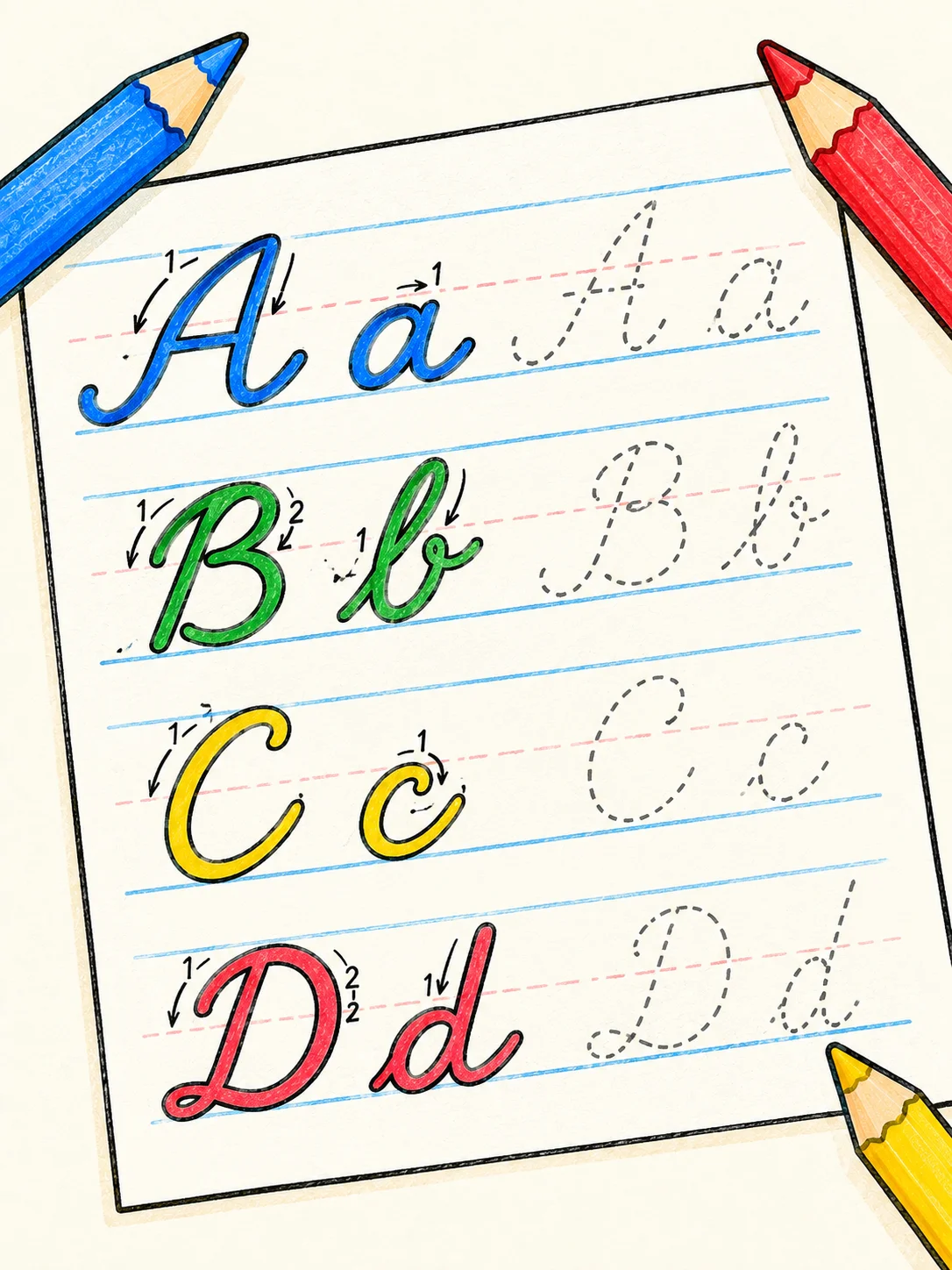
Build familiarity with connected handwriting through our Cursive Alphabet Worksheets. Designed for learners practicing cursive writing, these printable pages focus on uppercase and lowercase letters, letter formation, and repeated writing practice. They can be used for handwriting lessons, independent practice, homework, or short writing sessions at home and in the classroom.
 9 Sheets
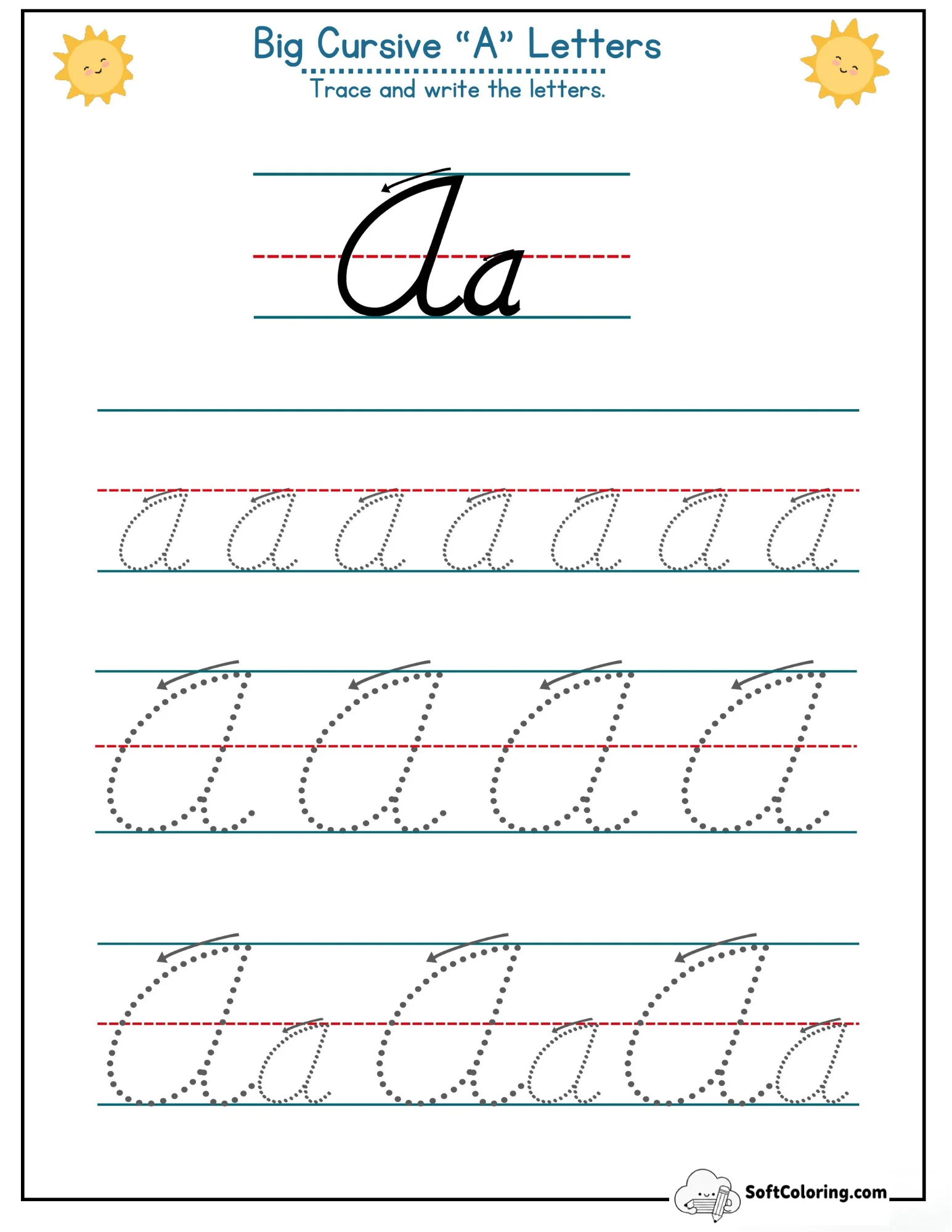
 Cursive A Worksheets
 8 Sheets
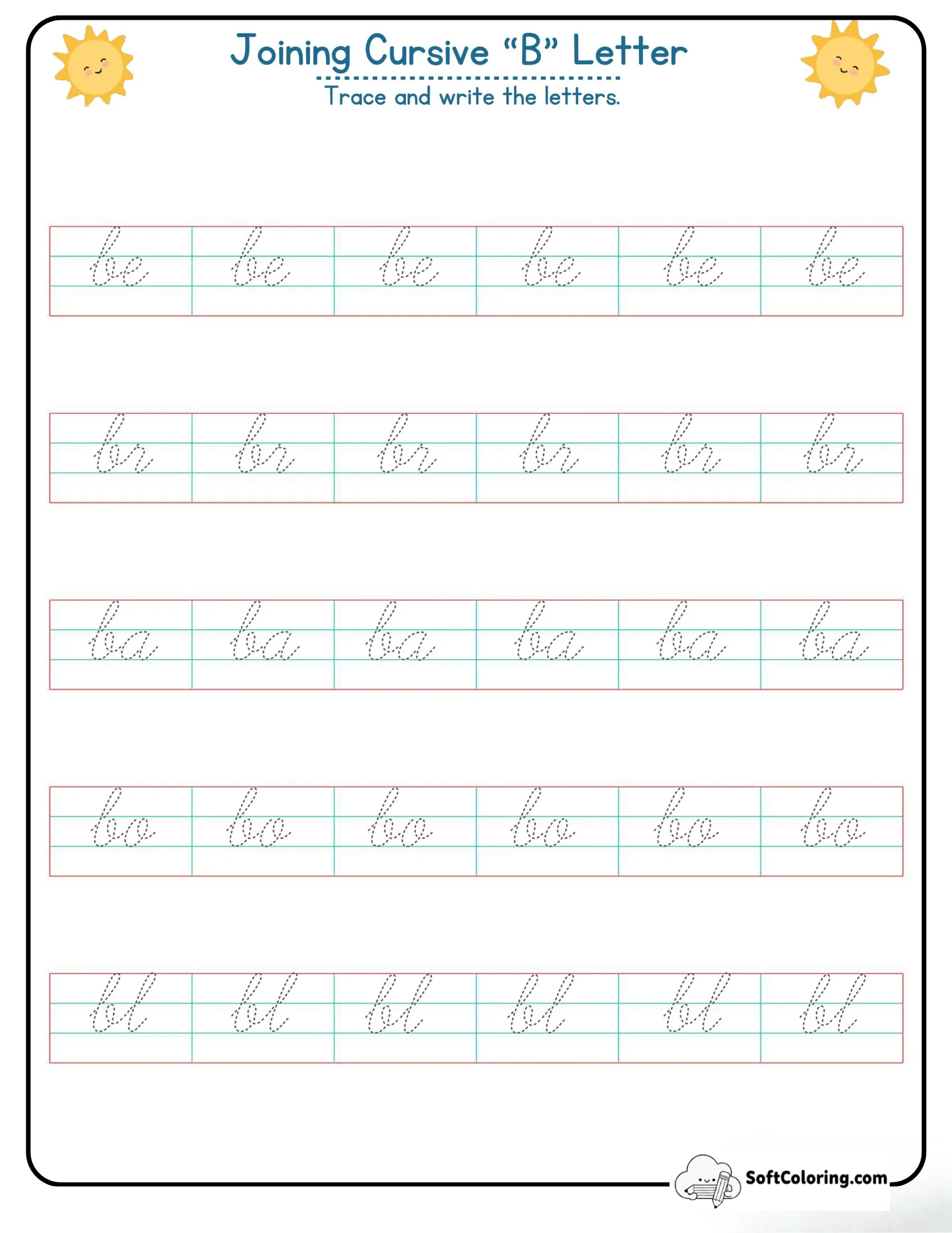
 Cursive B Worksheets
 10 Sheets
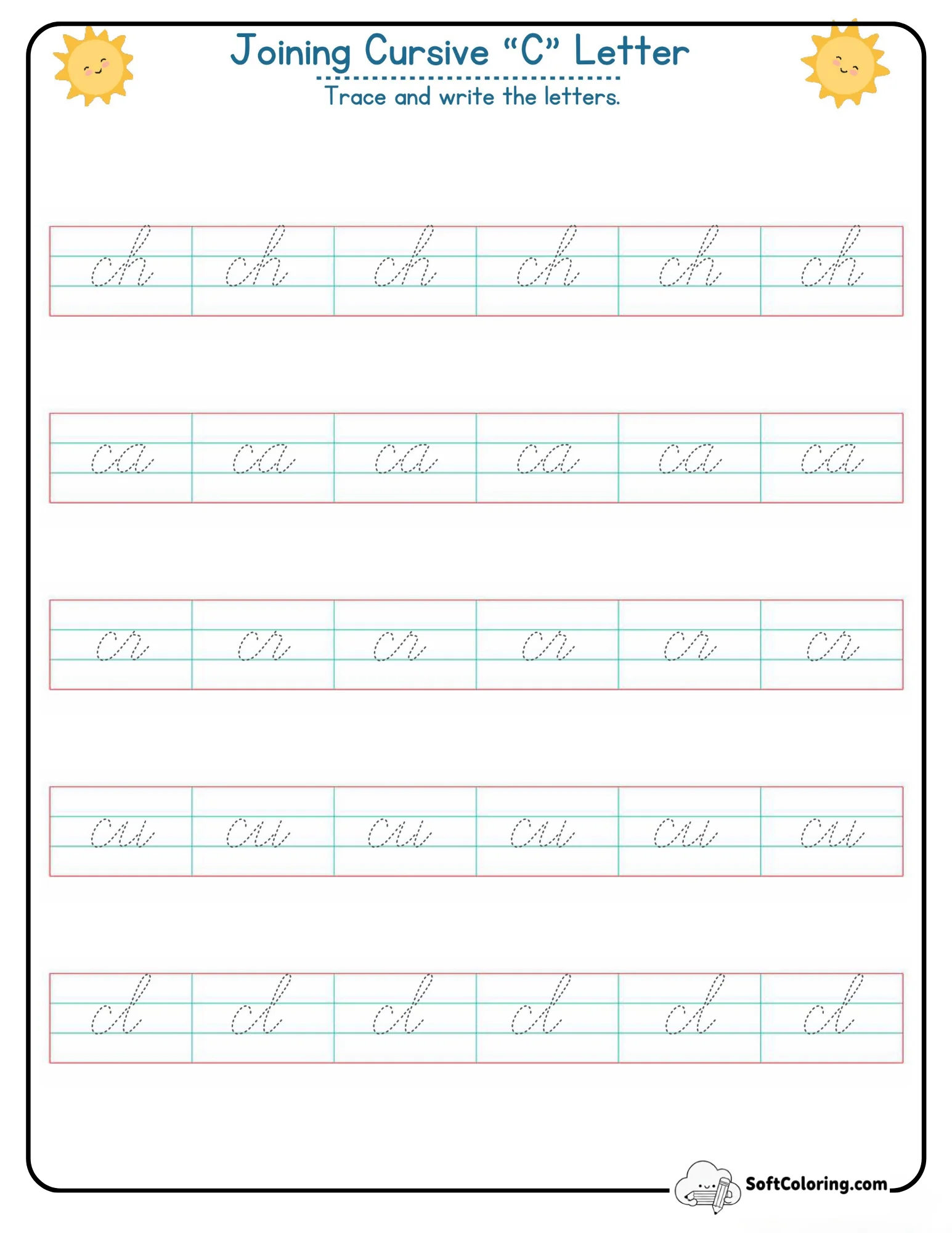
 Cursive C Worksheets
 9 Sheets
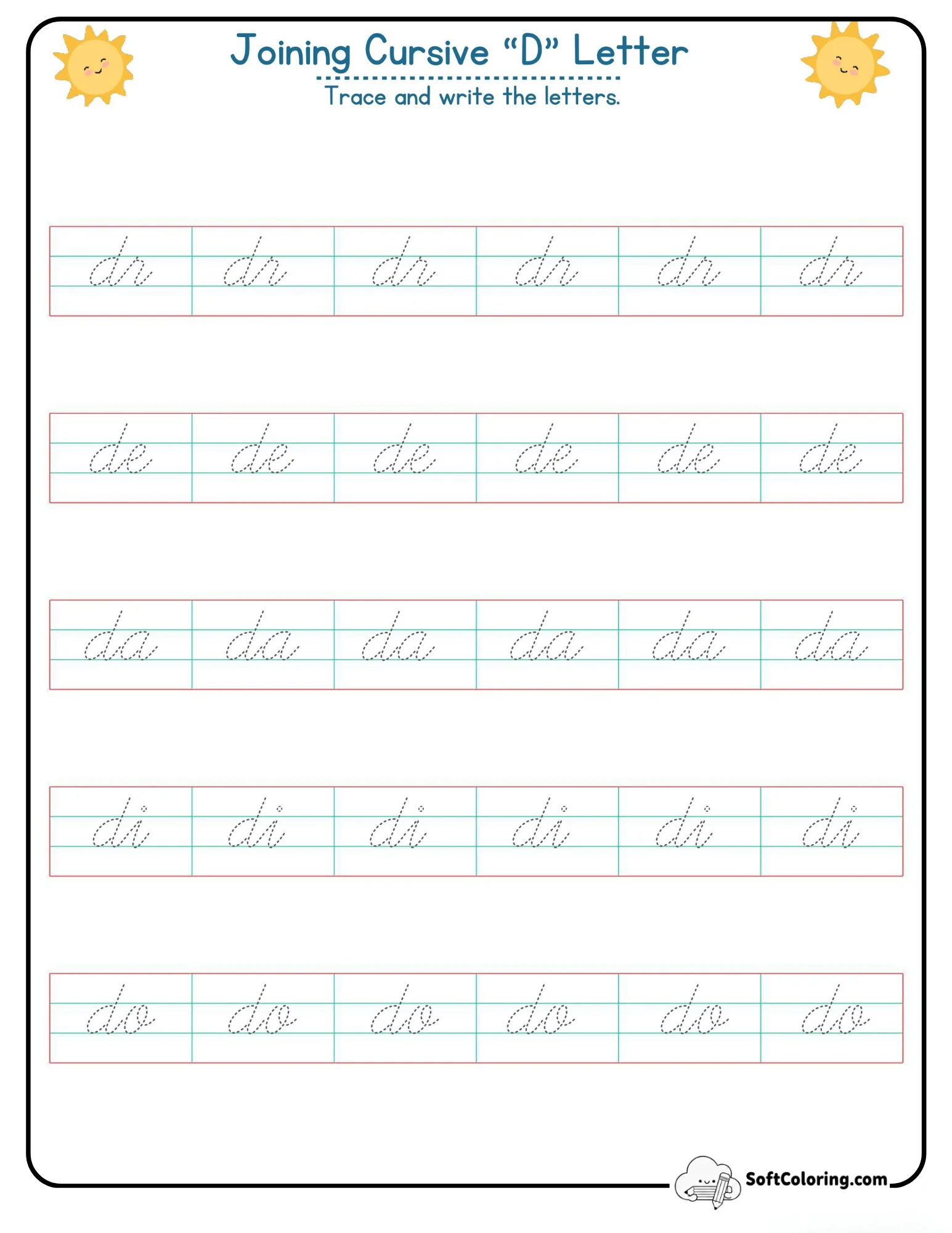
 Cursive D Worksheets
 9 Sheets
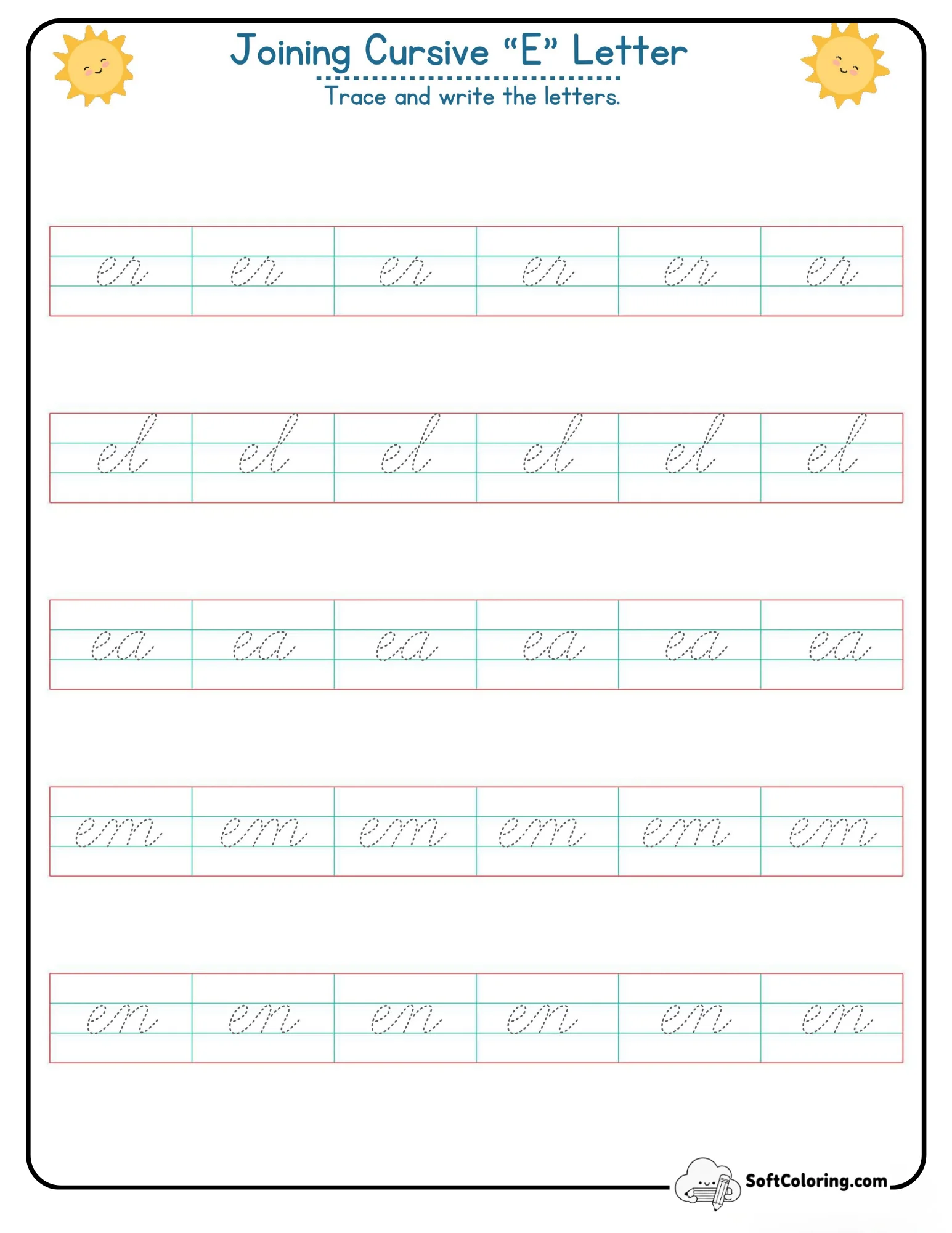
 Cursive E Worksheets
 10 Sheets
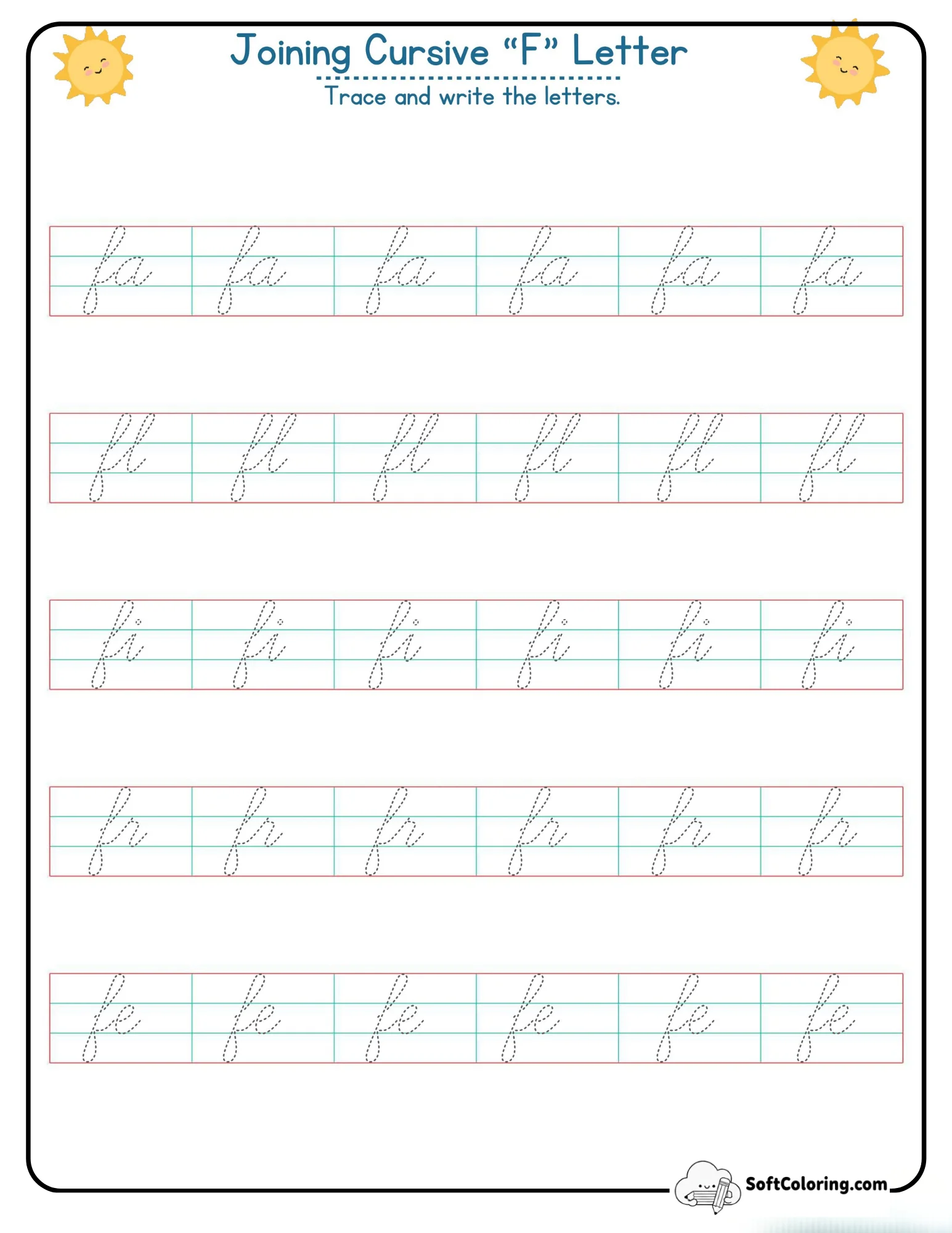
 Cursive F Worksheets
 20 Sheets
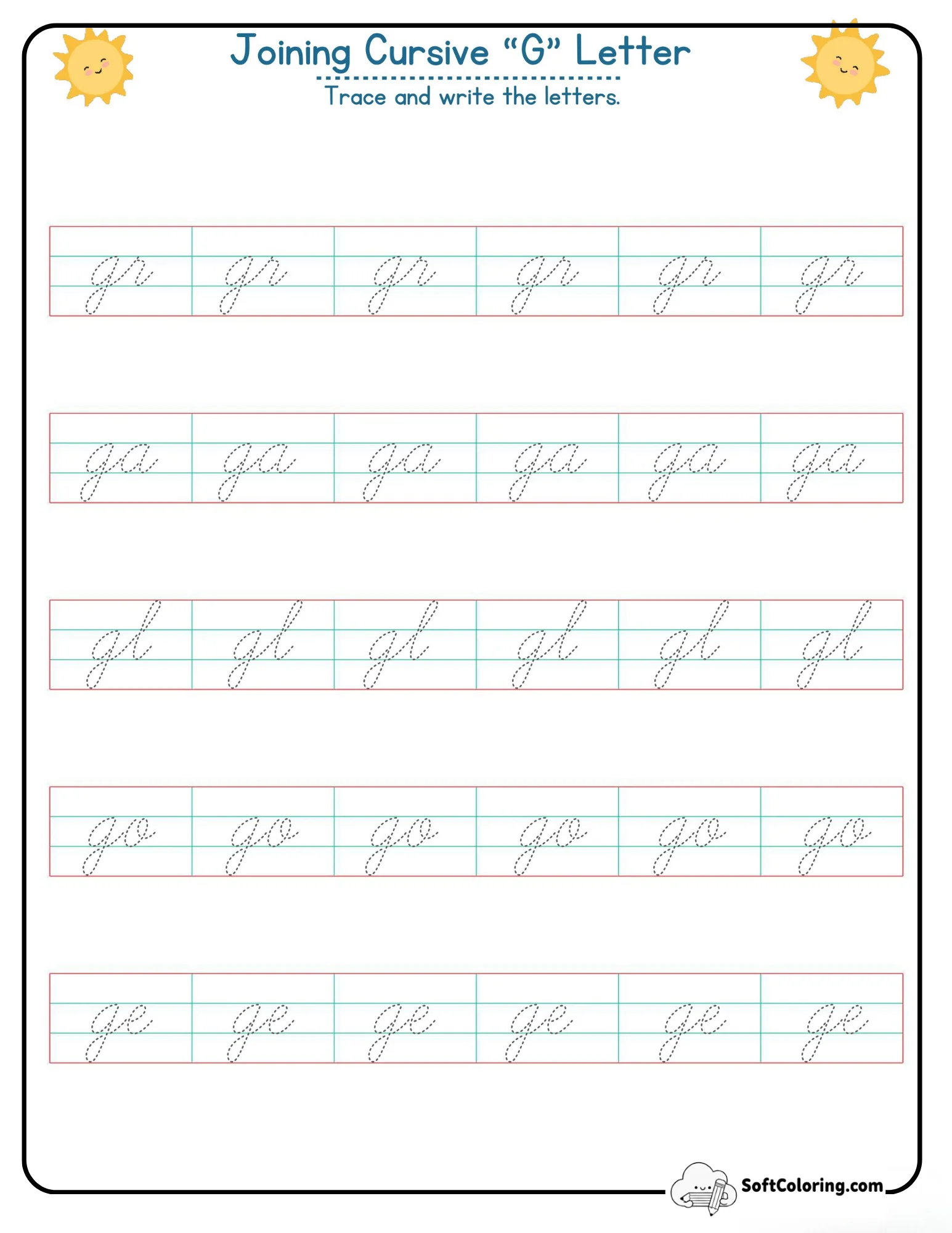
 Cursive G Worksheets
 10 Sheets
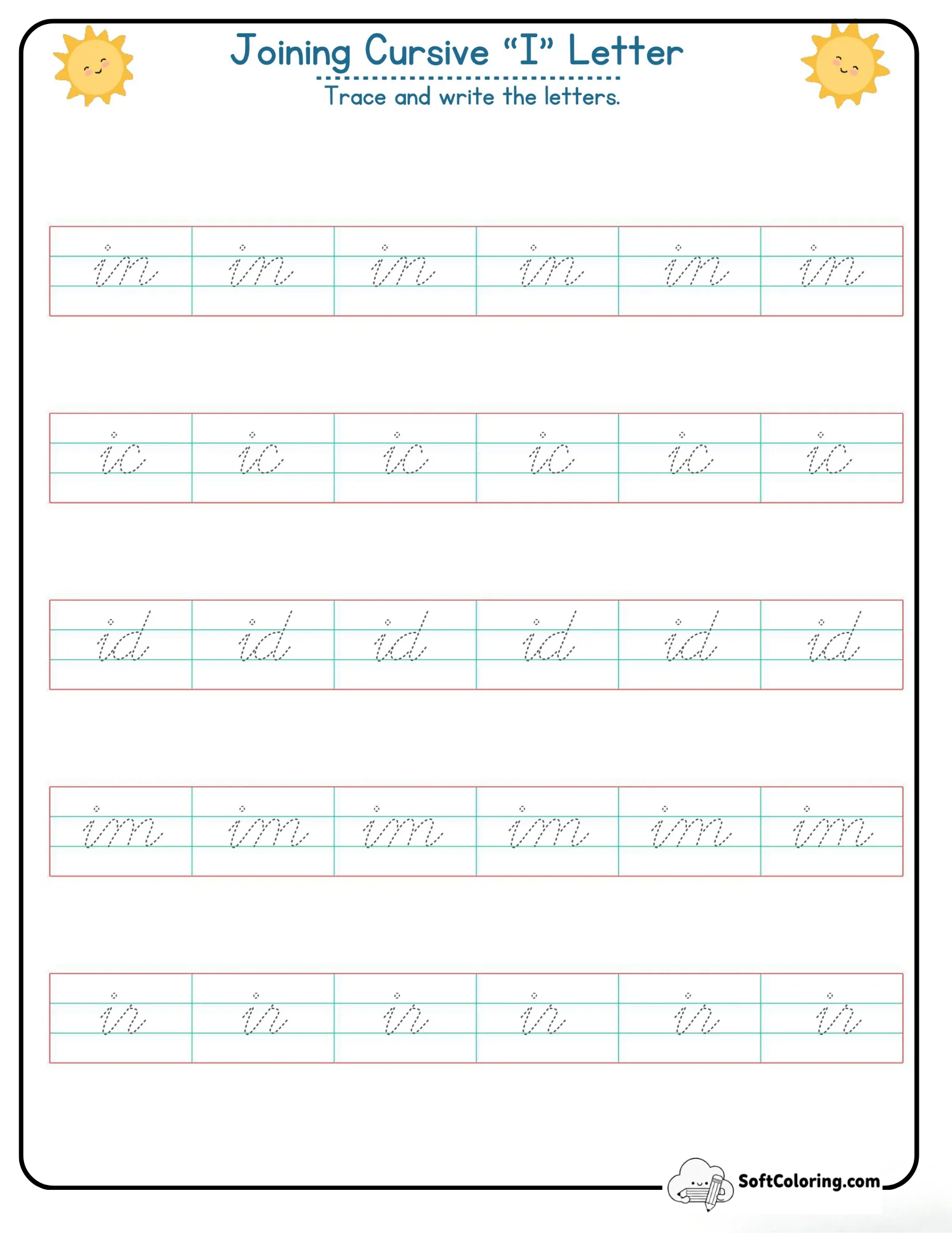
 Cursive I Worksheets
 11 Sheets
 Cursive J Worksheets
 9 Sheets
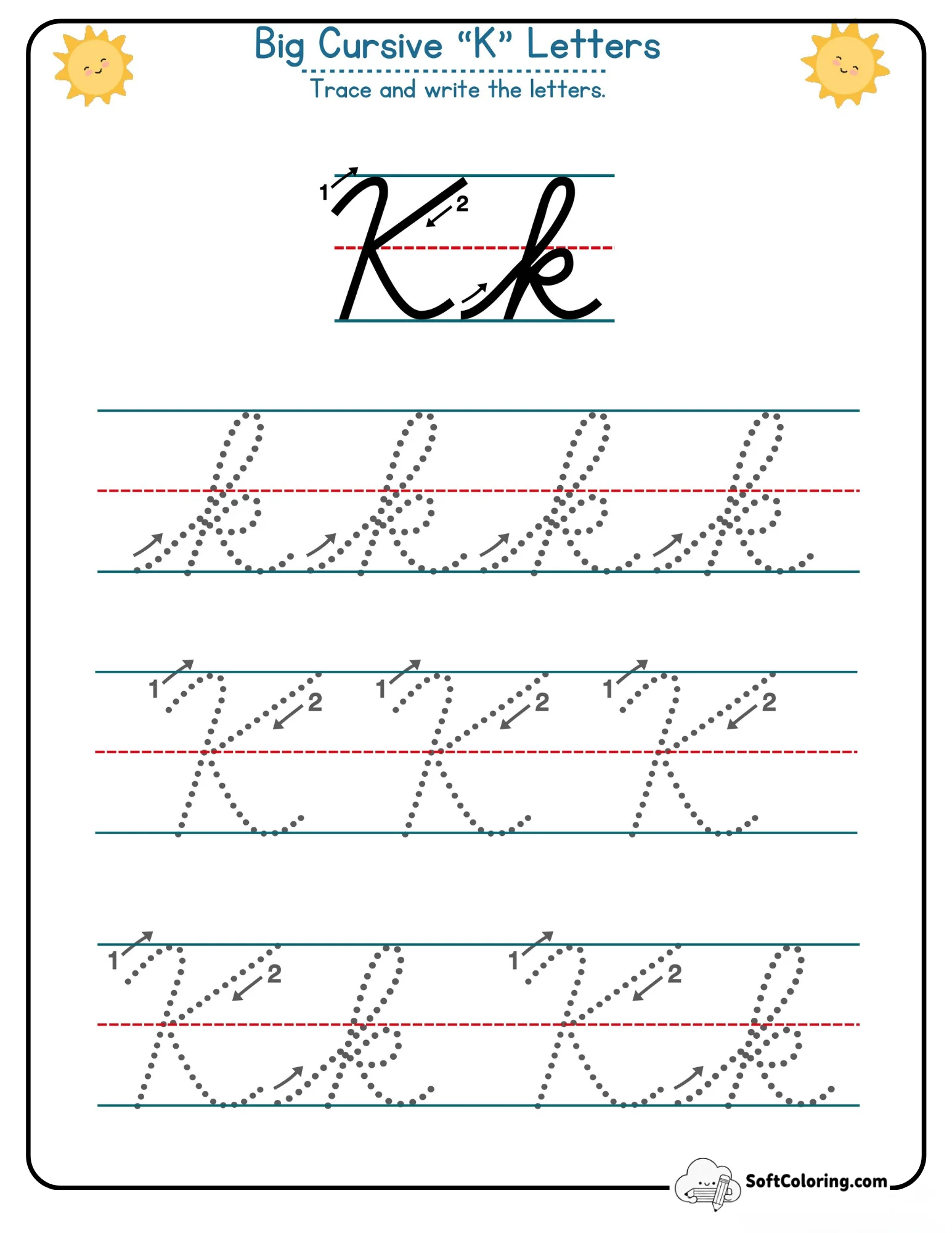
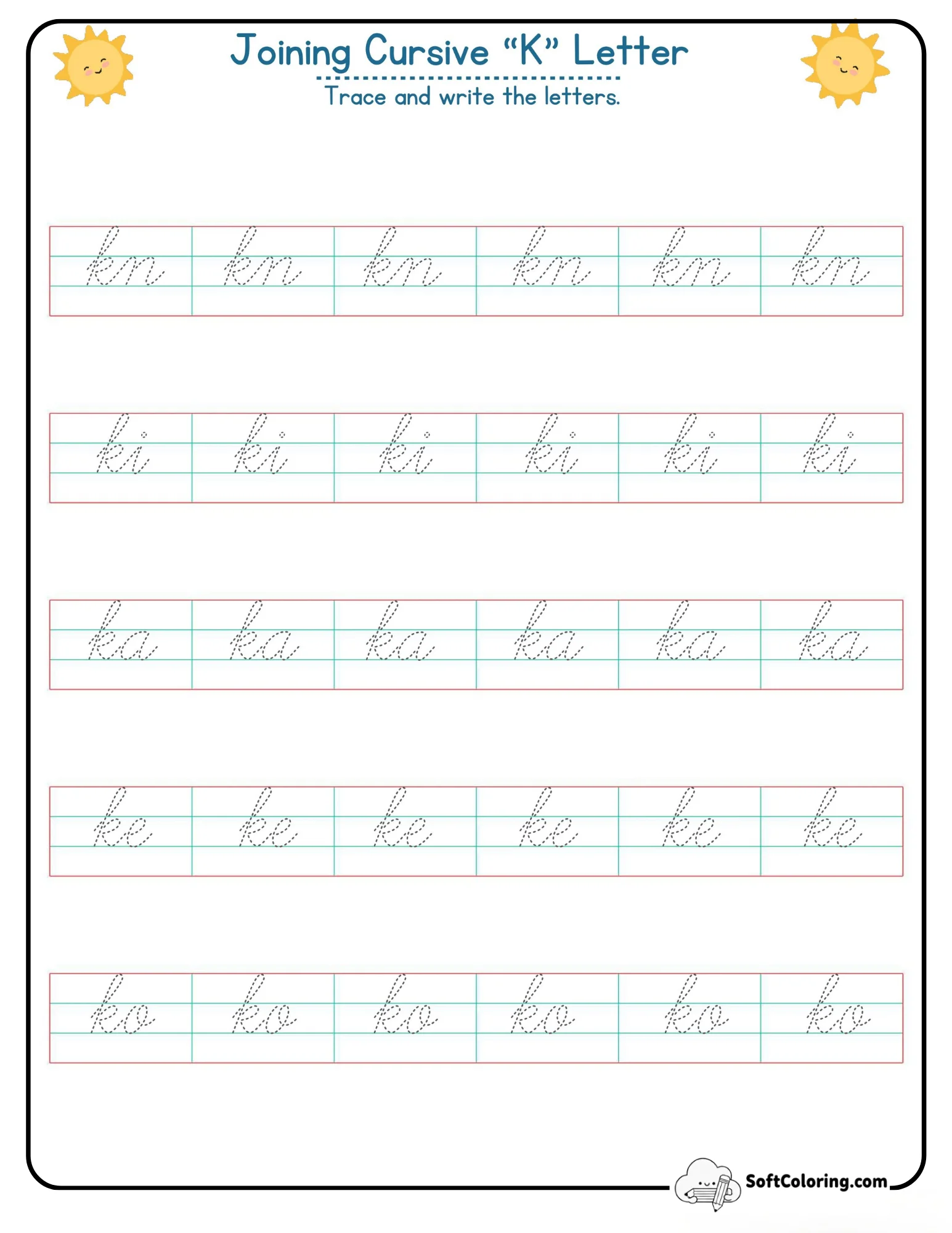
 Cursive K Worksheets
 10 Sheets
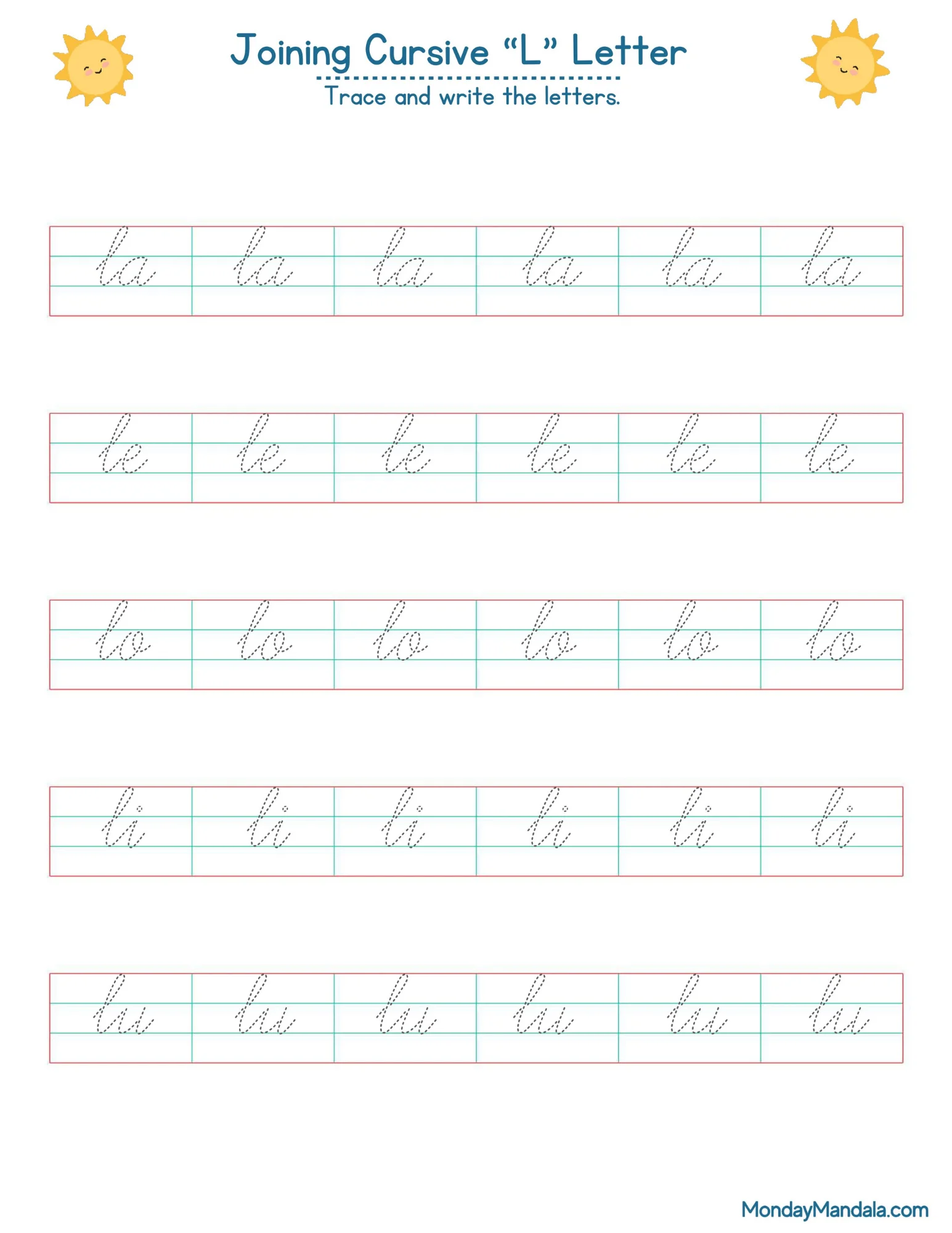
 Cursive L Worksheets
 10 Sheets
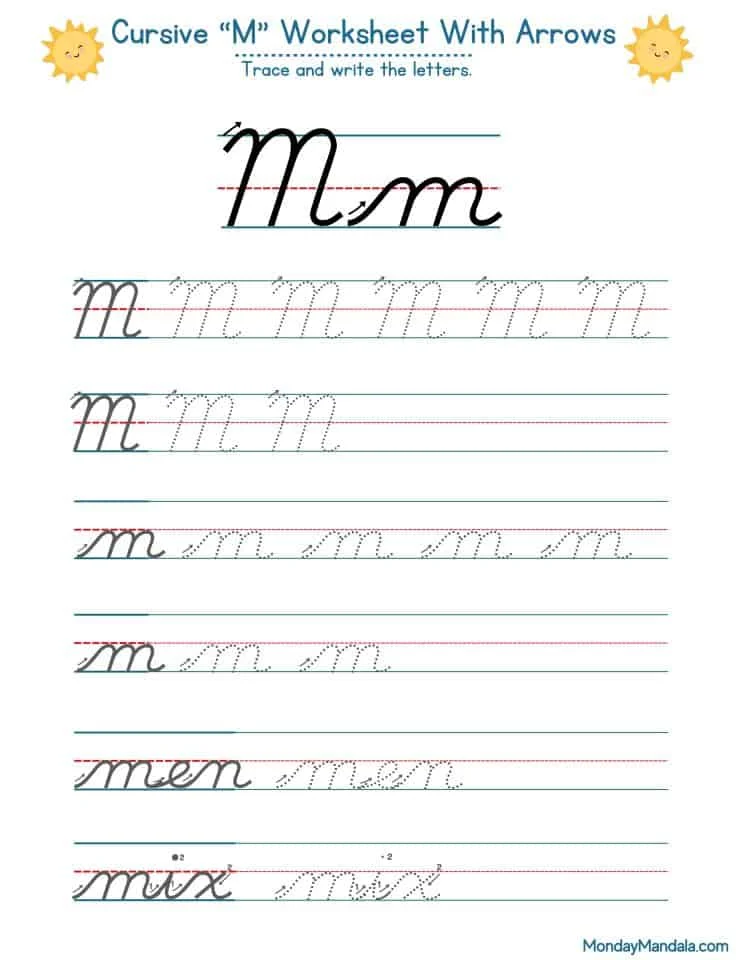
 Cursive M Worksheets
 20 Sheets
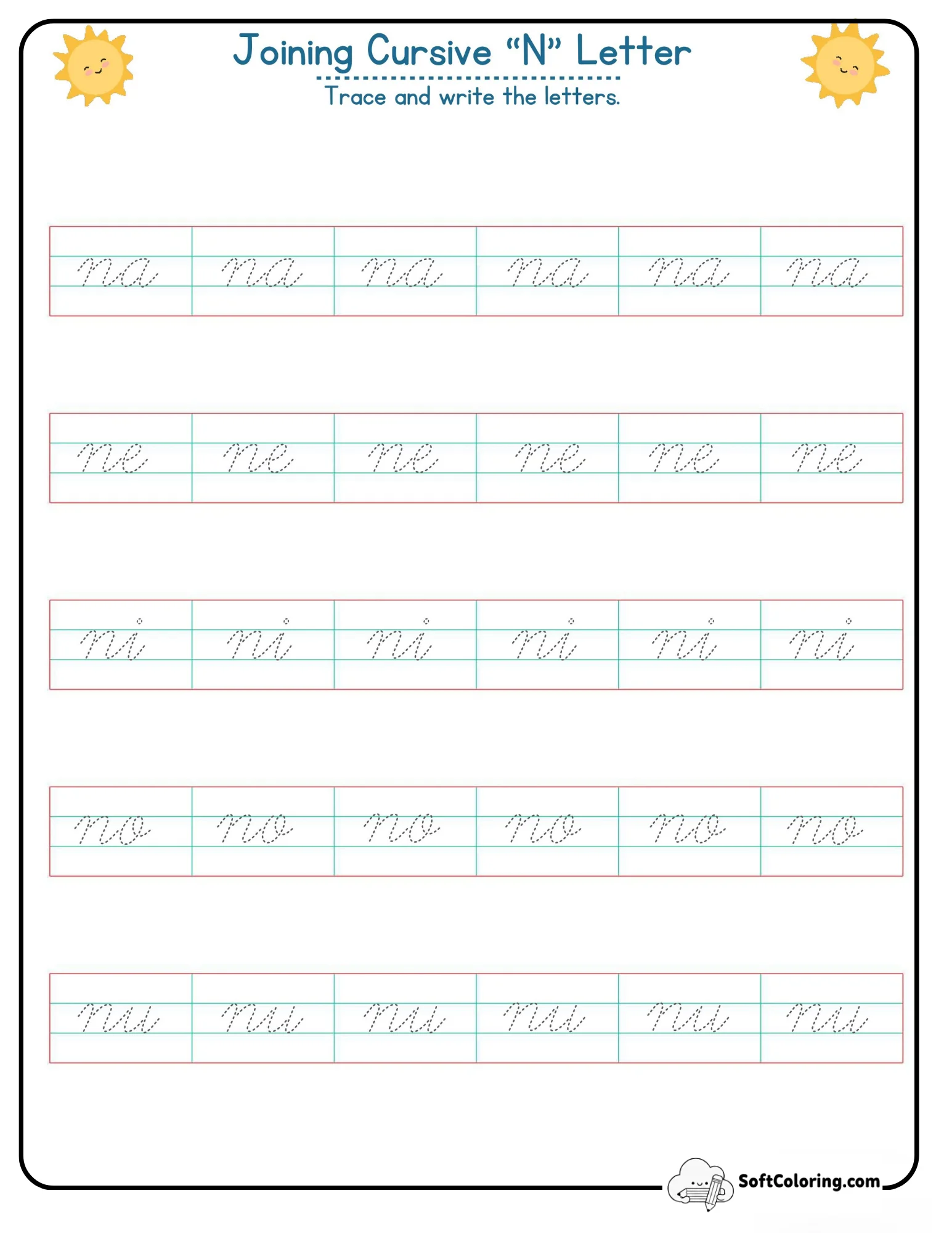
 Cursive N Worksheets
 10 Sheets
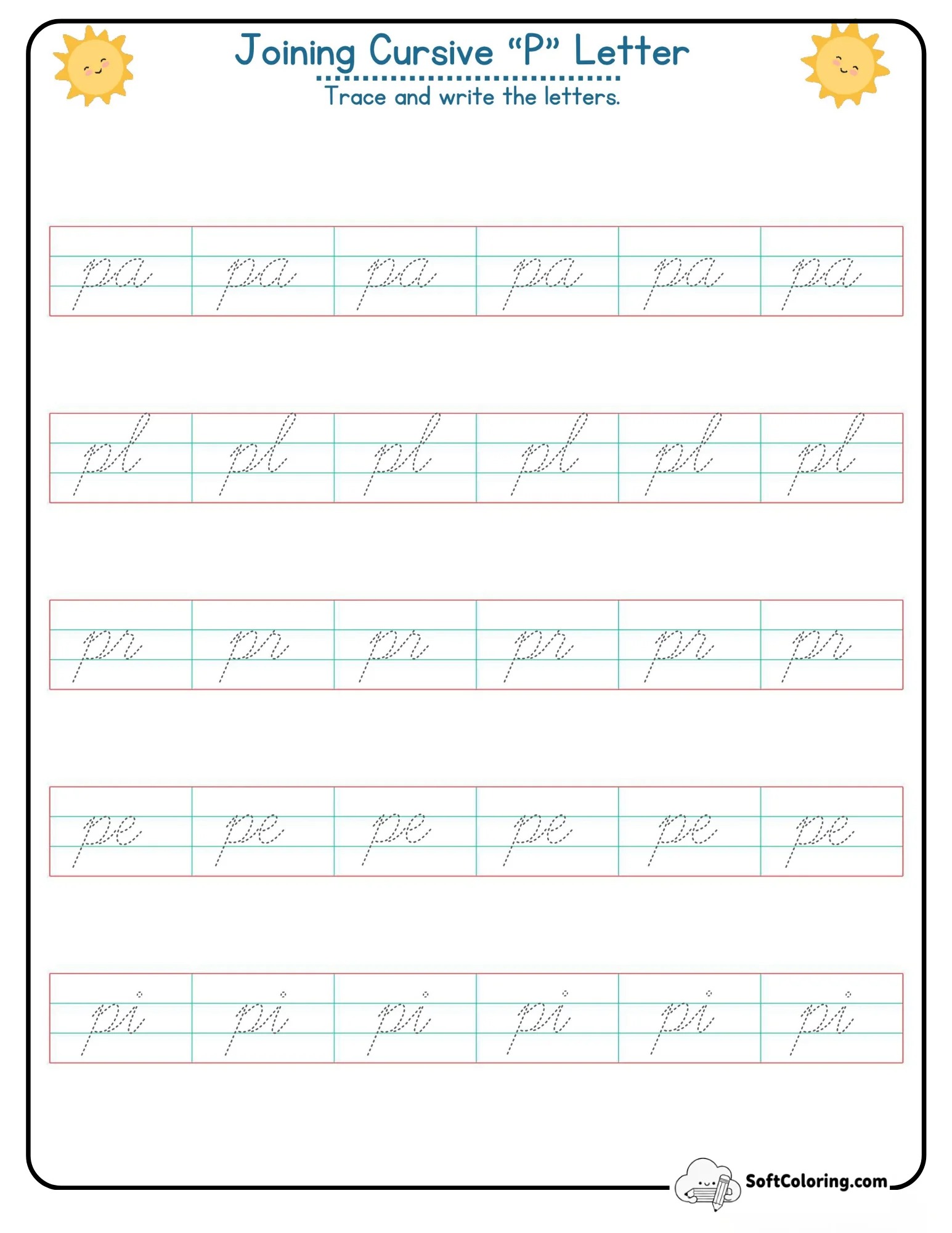
 Cursive P Worksheets
 20 Sheets
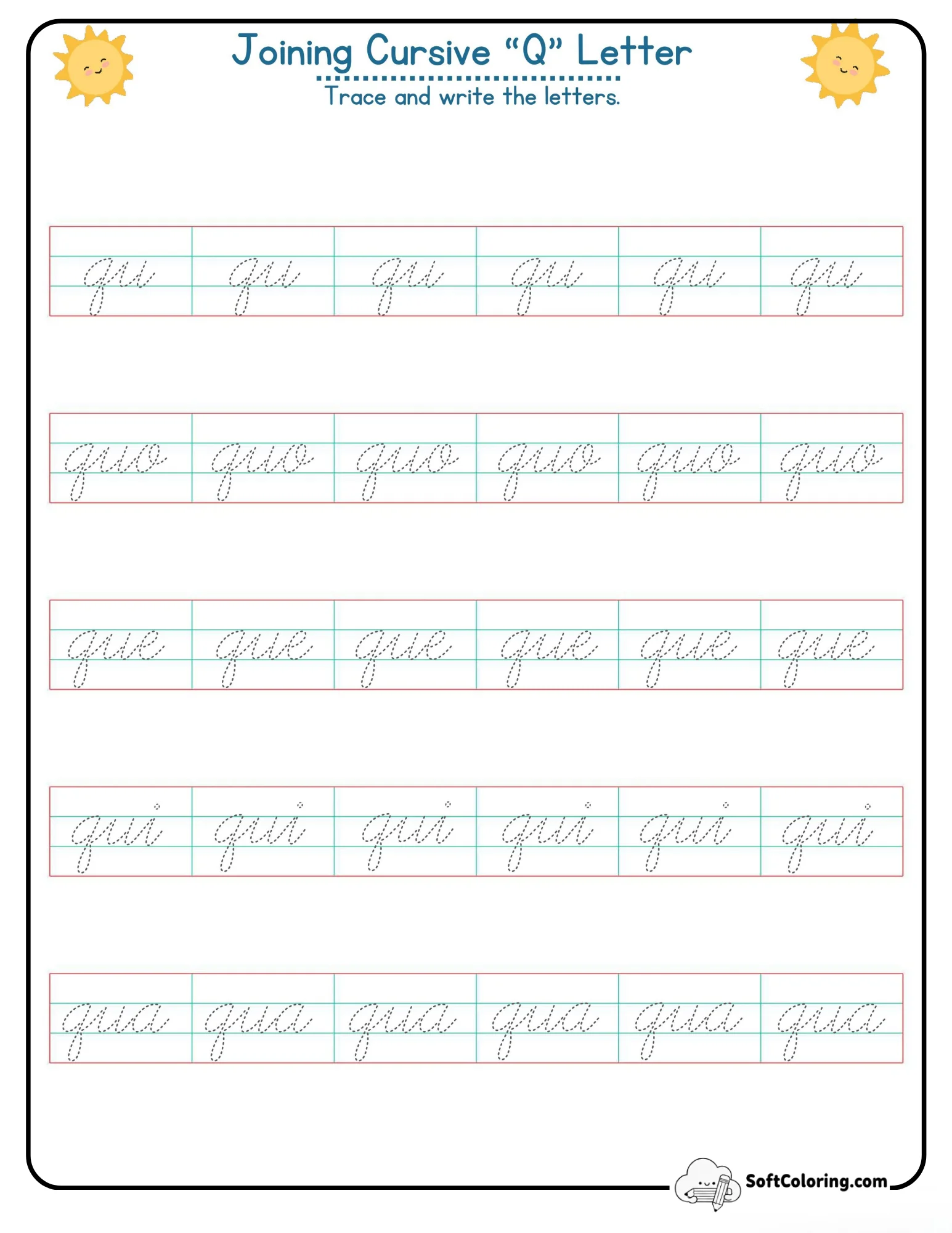
 Cursive Q Worksheets
 10 Sheets
 Cursive S Worksheets
 11 Sheets
 Cursive T Worksheets
 9 Sheets
 Cursive U Worksheets
 9 Sheets
 Cursive V Worksheets
 10 Sheets
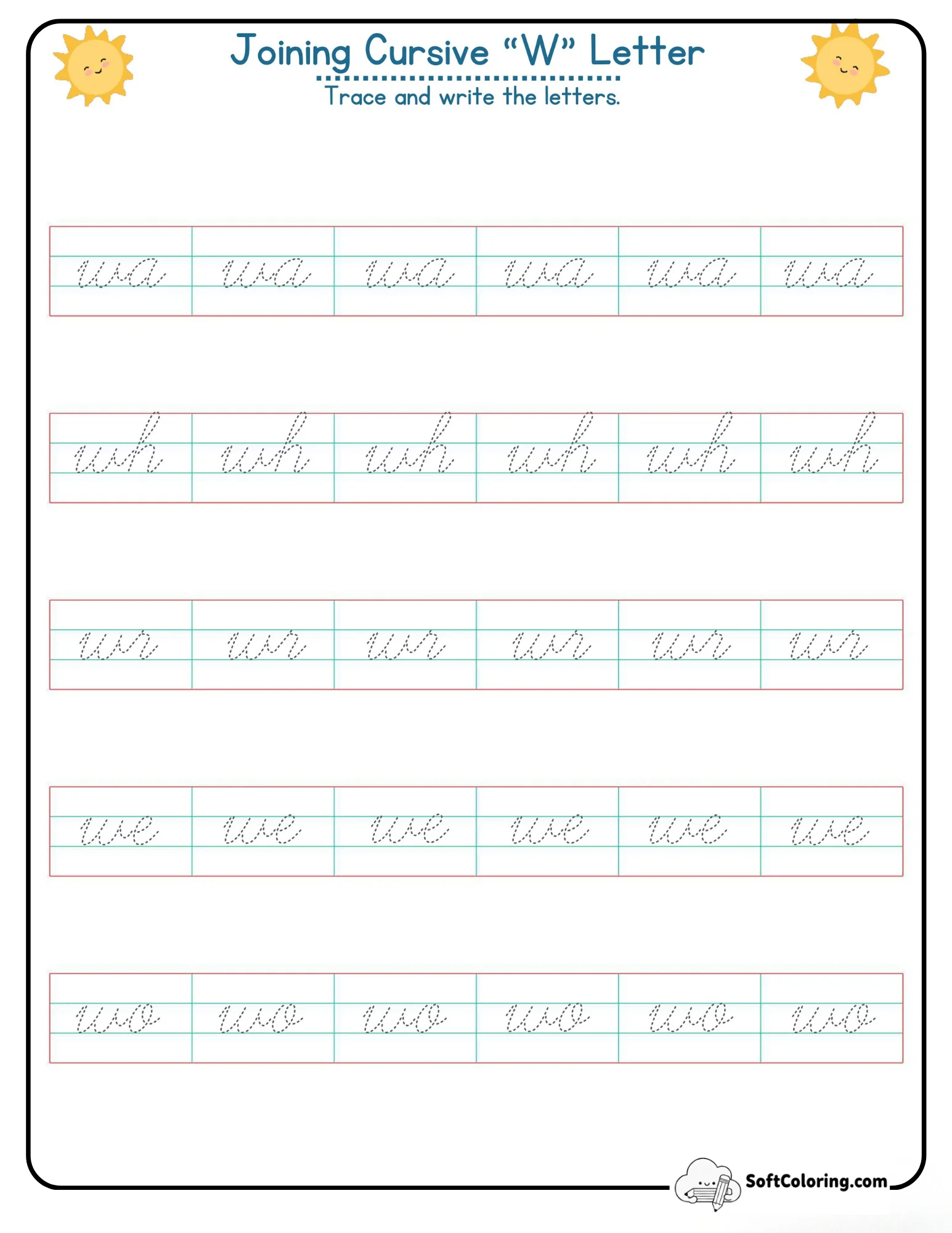
 Cursive W Worksheets
 10 Sheets
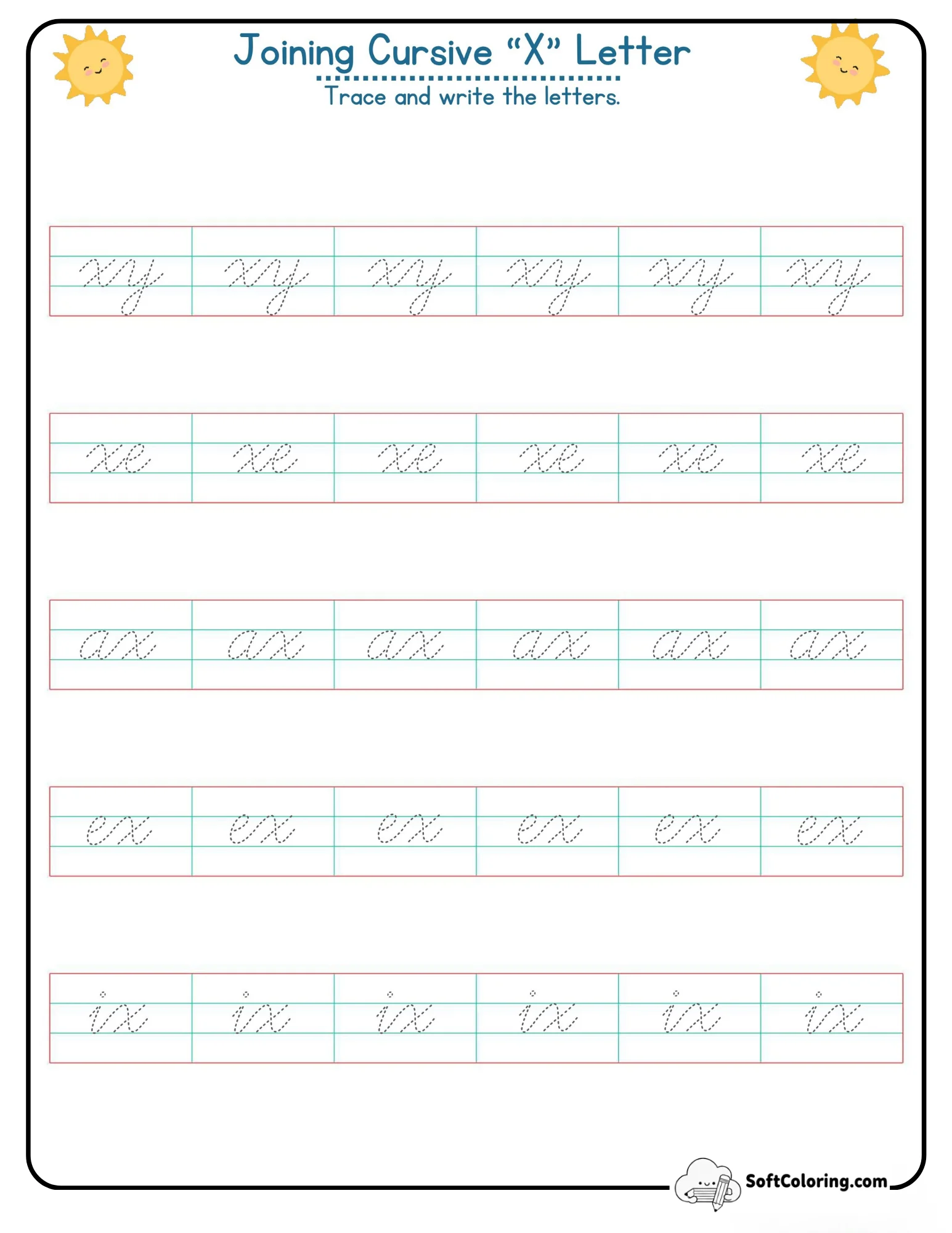
 Cursive X Worksheets
 10 Sheets
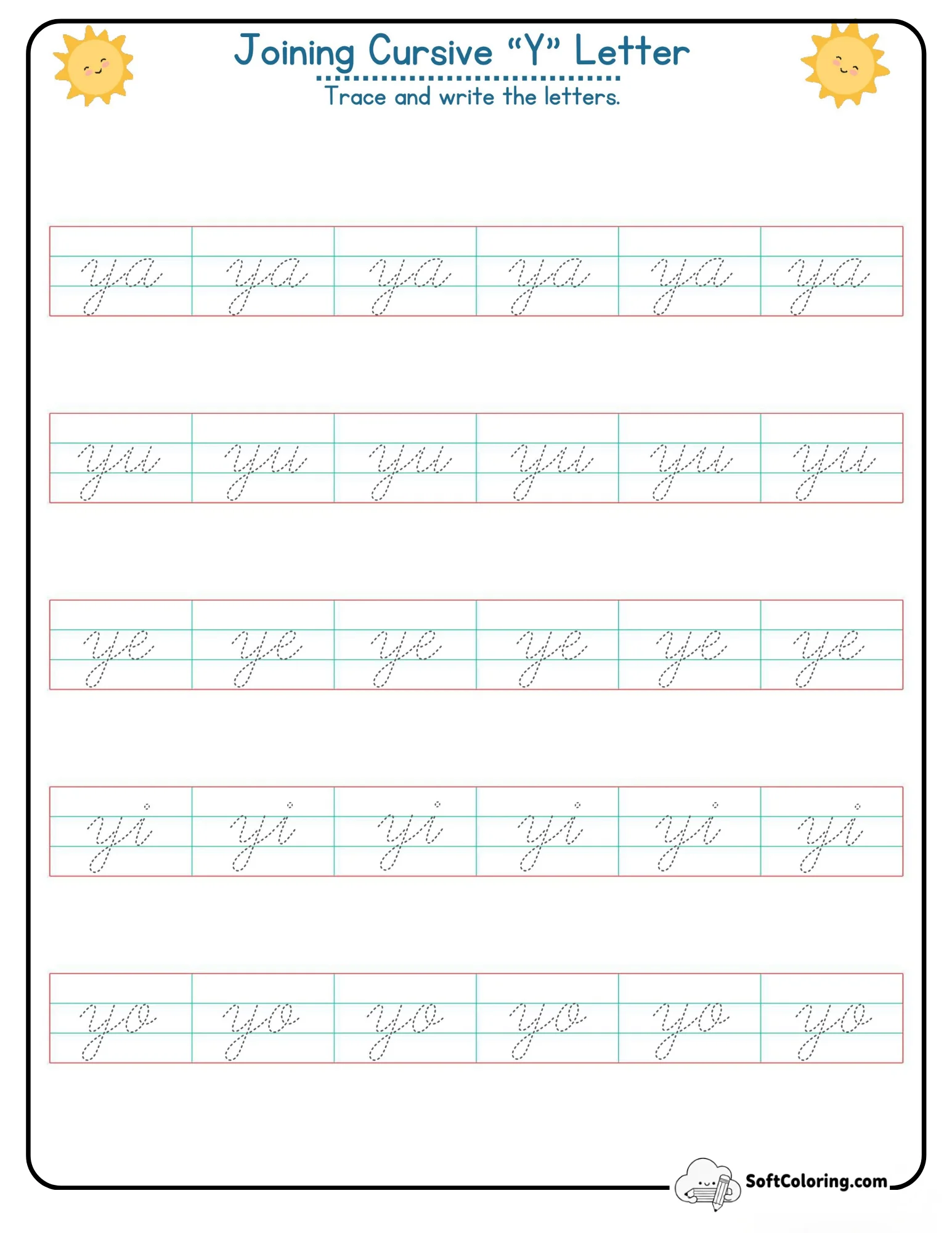
 Cursive Y Worksheets
 10 Sheets
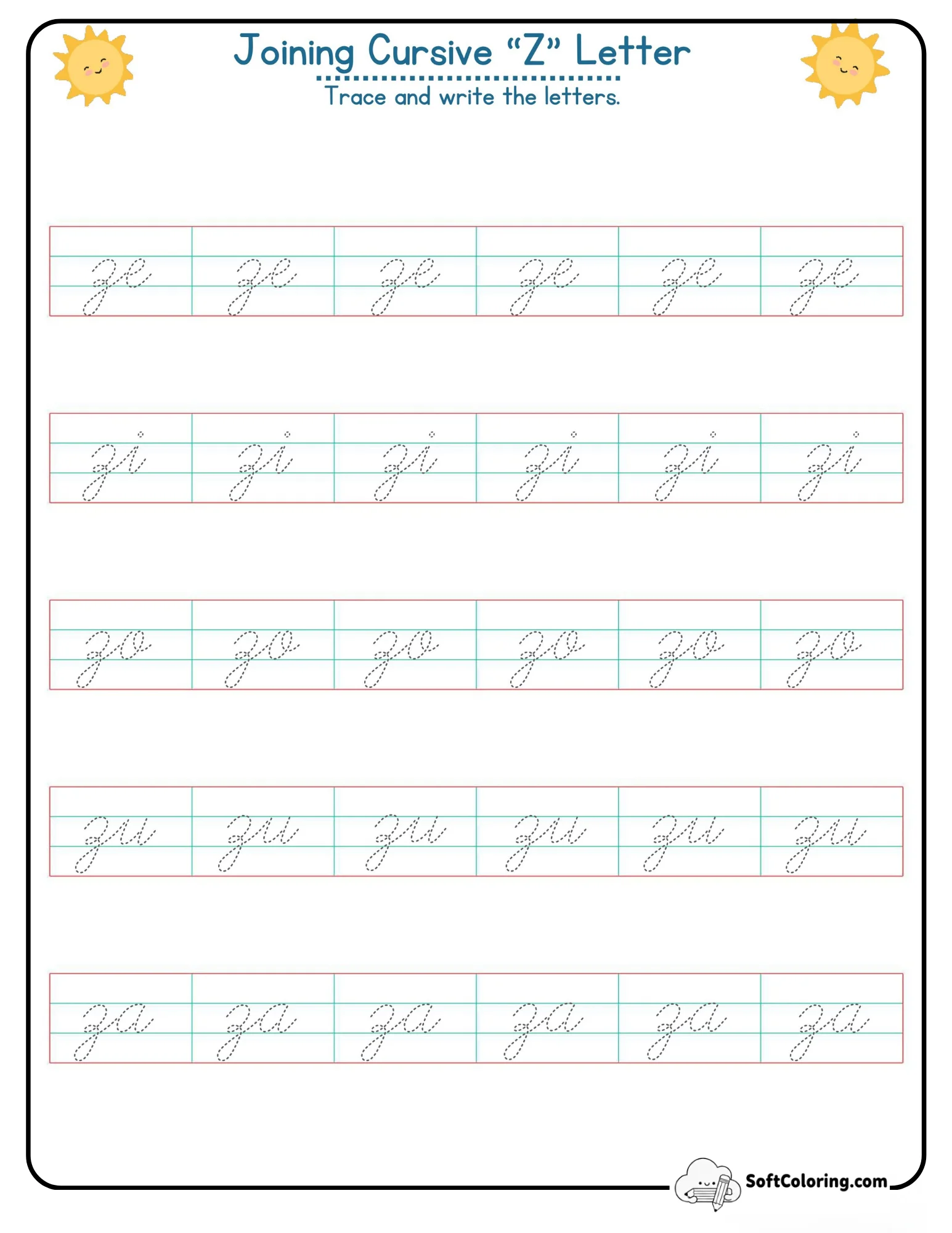
 Cursive Z Worksheets
Can't Find What You're Looking For?
Let us know what you want to color next, and our team will draw it for you!
Request a Coloring Page
Developing Fluid Penmanship & Fine Motor Dexterity
Practice cursive letter shapes step by step, with room to repeat each letter and build handwriting confidence.
Learn the Shape of Each Letter
Cursive writing uses flowing strokes and distinctive letter shapes. Practicing one letter at a time gives learners an opportunity to pay attention to how each character is formed.
Follow the Curves and Strokes
Repeated practice encourages careful pencil movement through curves, loops, and connecting strokes while helping learners become more comfortable with the motion of cursive writing.
Move Beyond Single Letters
Once individual letters become more familiar, learners can begin combining them into simple words and gradually develop a smoother writing rhythm.
Frequently Asked Questions
At what grade level should children start using these cursive worksheets?
Do these worksheets cover both uppercase and lowercase cursive letters?
Can I print these cursive practice pages for an entire classroom?
Cursive Alphabet Worksheets for Building Better Handwriting Habits
Cursive handwriting can look quite different from the printed letters children encounter in early reading materials. The letters flow into one another, and some characters have forms that are unfamiliar to beginners. Cursive Alphabet Worksheets provide a structured way to become comfortable with those shapes before moving into longer words and sentences.
Rather than trying to master the entire alphabet in one sitting, learners can work through individual letters. Looking at the model, following the strokes, and repeating the same character several times helps turn an unfamiliar movement into a more practiced one.
Practice Uppercase and Lowercase Cursive Letters
The cursive alphabet includes both uppercase and lowercase forms, and they do not always resemble their printed counterparts. Practicing the two forms separately can make these differences easier to notice.
For example, a learner may first practice a lowercase letter several times before moving to its uppercase version. Once both forms are familiar, combine them in simple words. This creates a natural progression from cursive letters to actual handwriting practice.
It can also be useful to revisit letters that feel difficult instead of spending the same amount of time on every character. Some letters involve loops or curves that require more control, while others may feel more natural after only a few repetitions.
Focus on Letter Formation Before Speed
Cursive writing is designed to flow, but beginners do not need to write quickly. When learning a new letter, encourage careful movement and consistent proportions first.
A simple practice routine can look like this:
- Look at the example letter.
- Trace or follow its basic stroke pattern.
- Write the letter slowly several times.
- Compare the new letters with the example.
- Try writing the letter without looking at the model.
This approach keeps handwriting practice manageable and gives learners a chance to notice where their letter shape, size, or spacing needs adjustment.