
Free Printable Beaver Coloring Pages
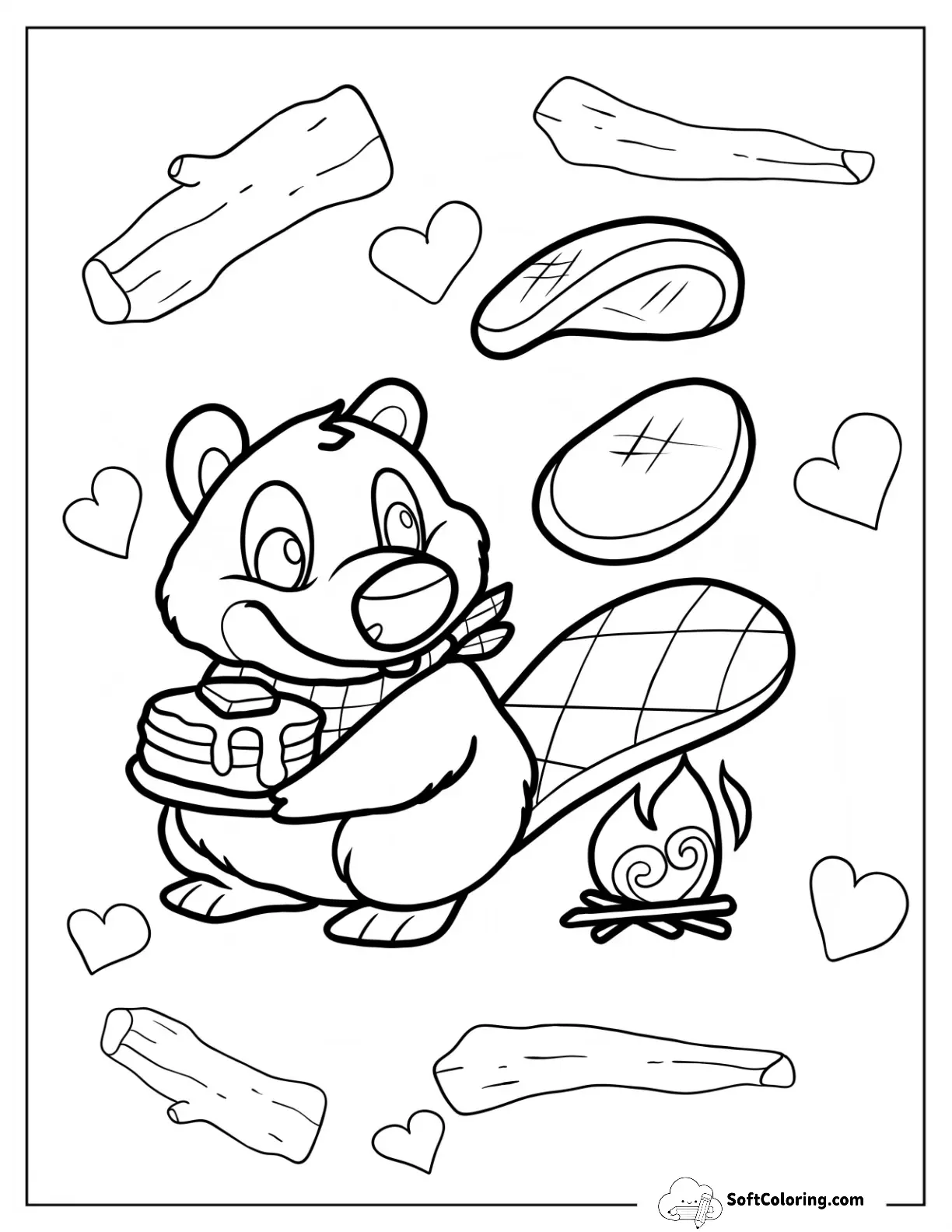
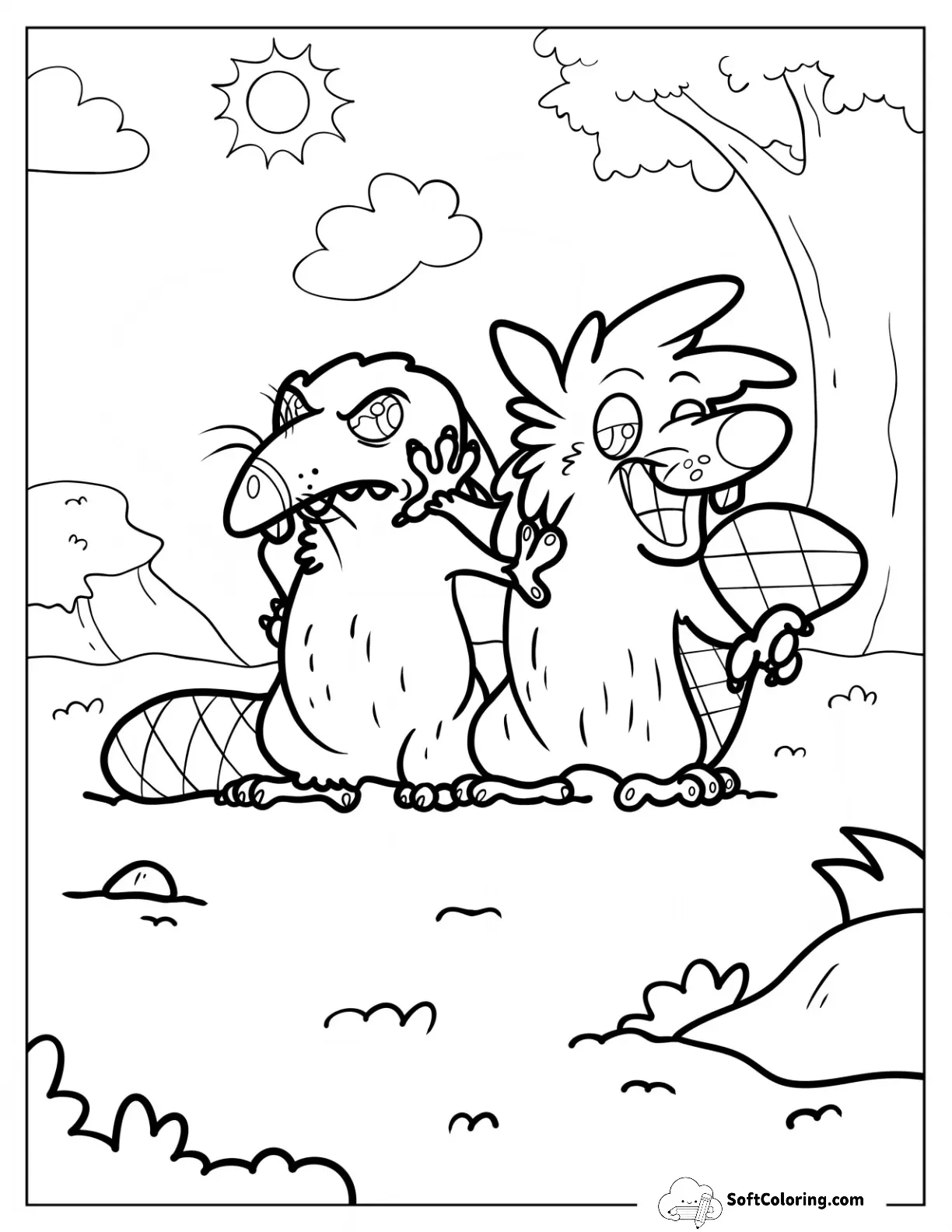
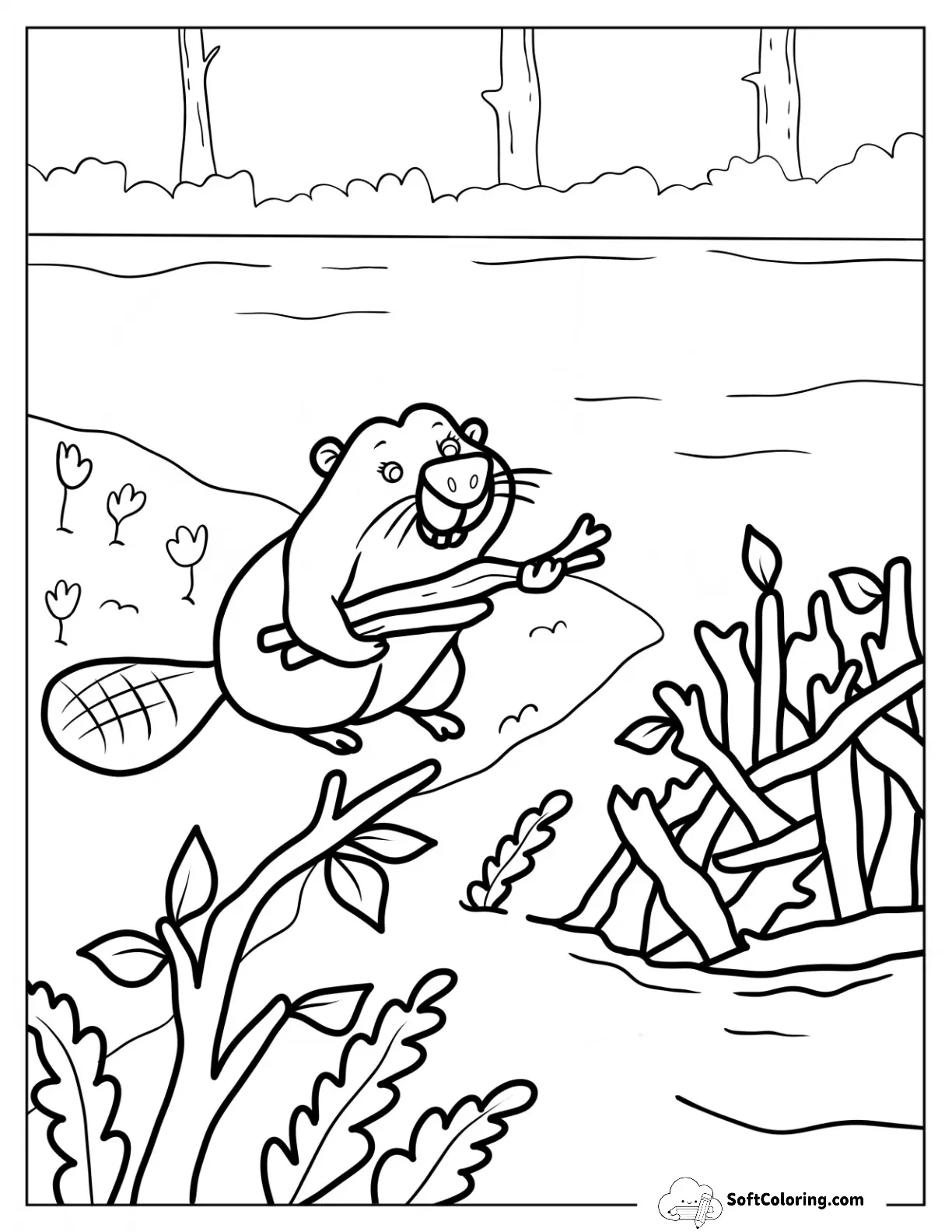
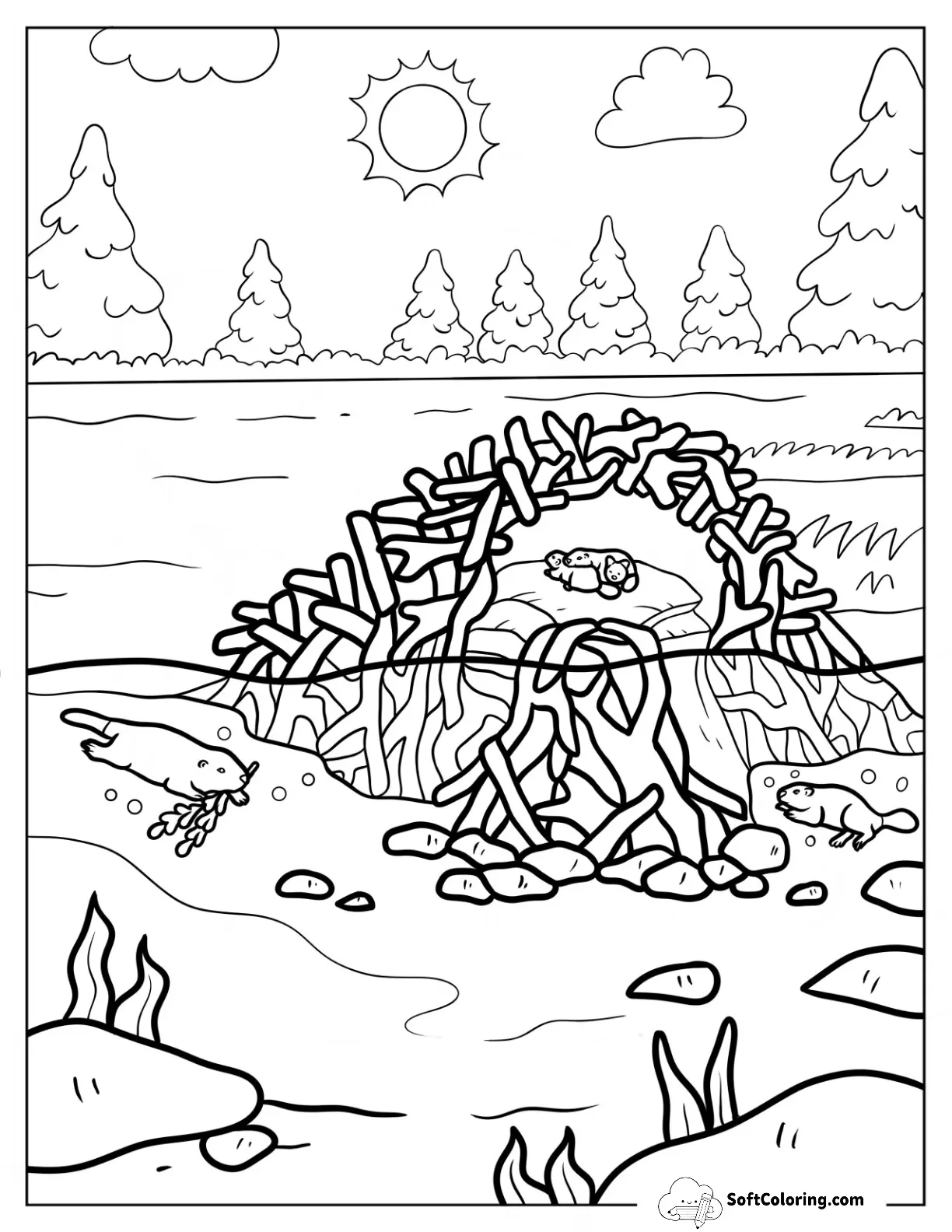
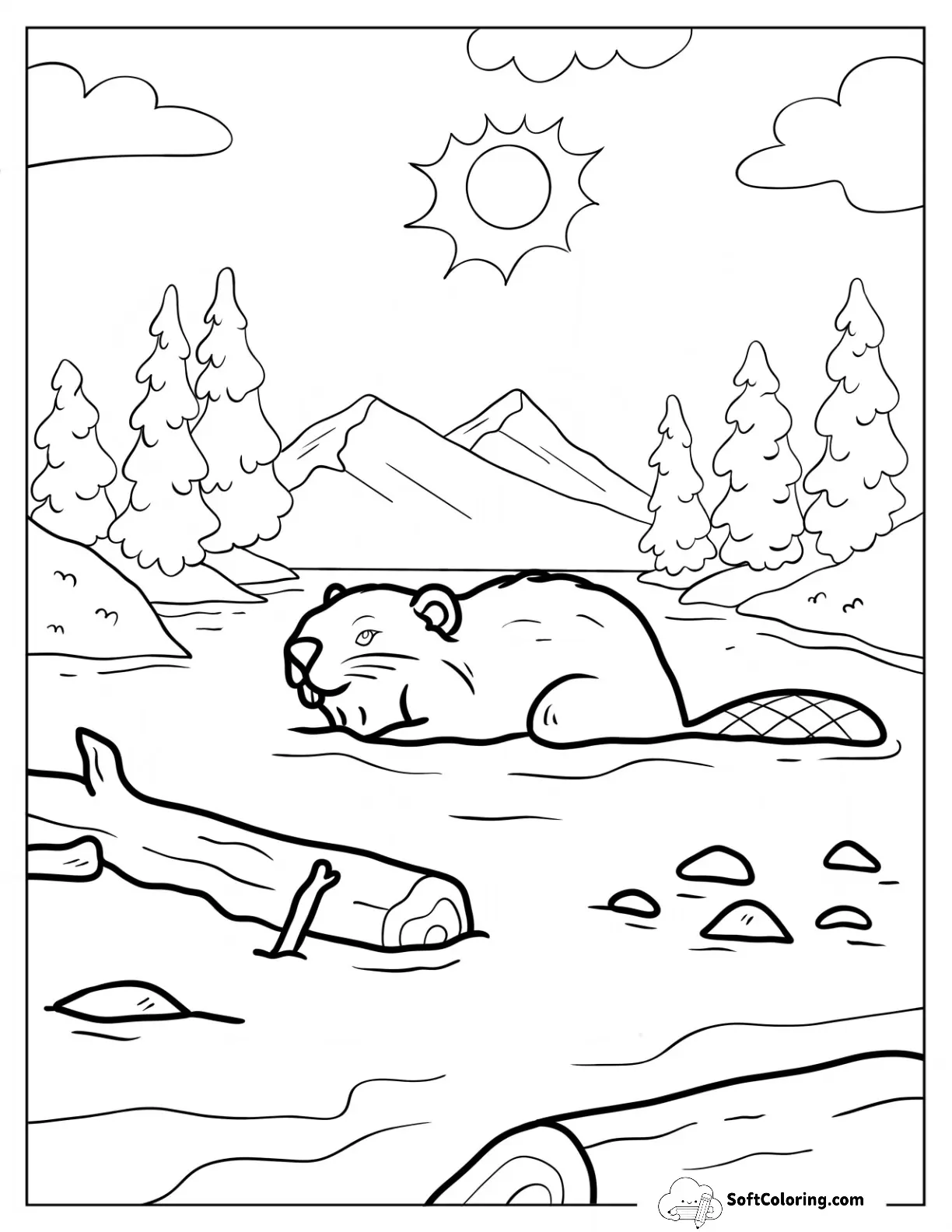
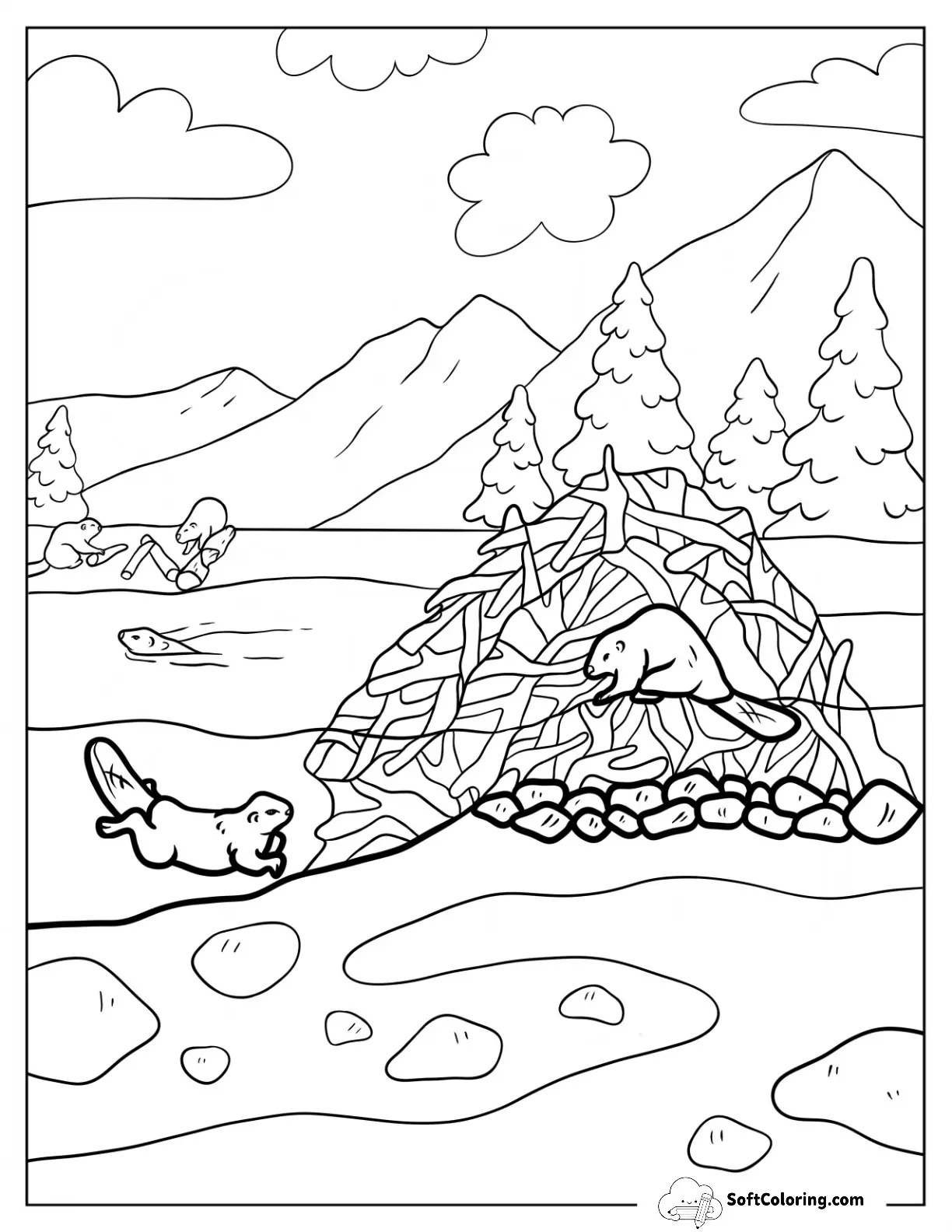
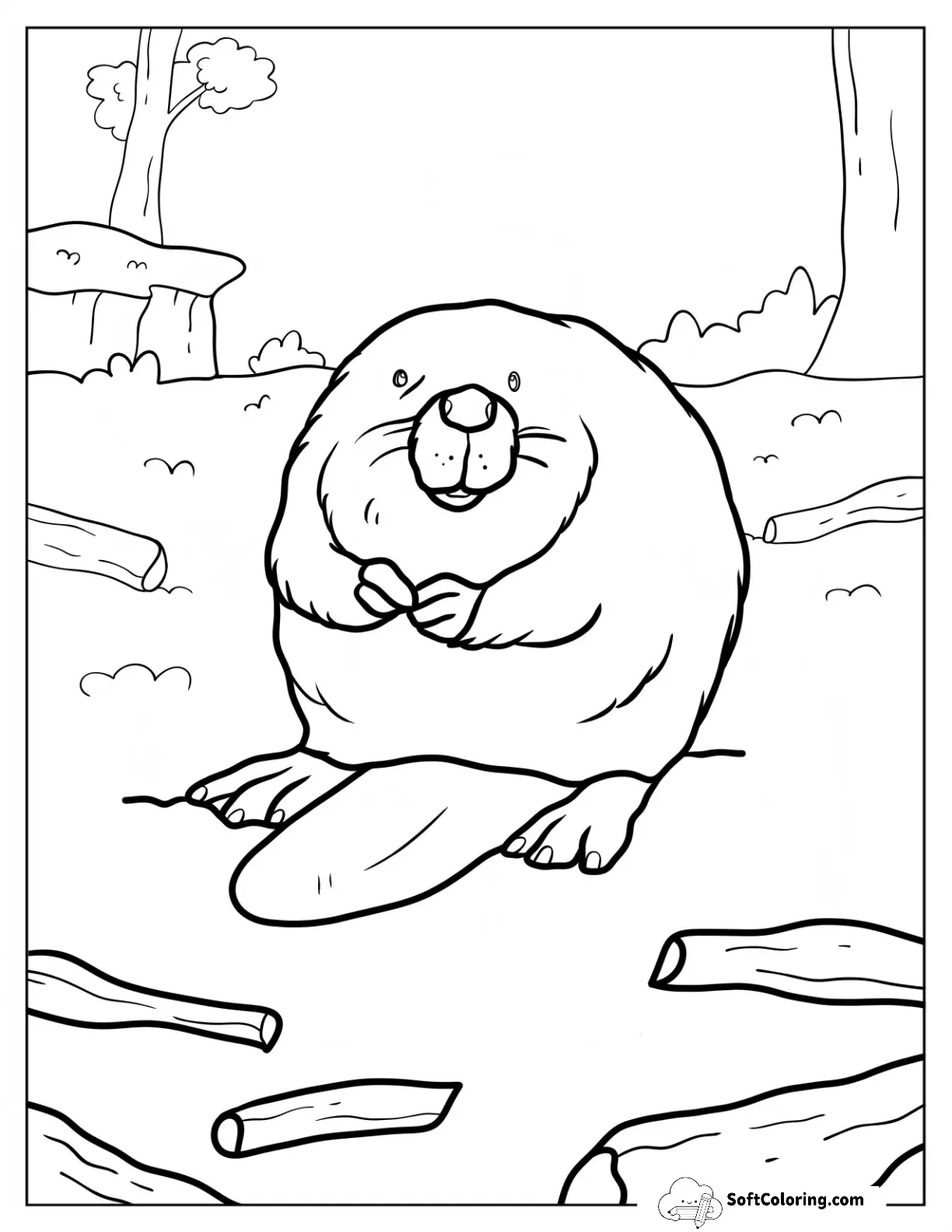
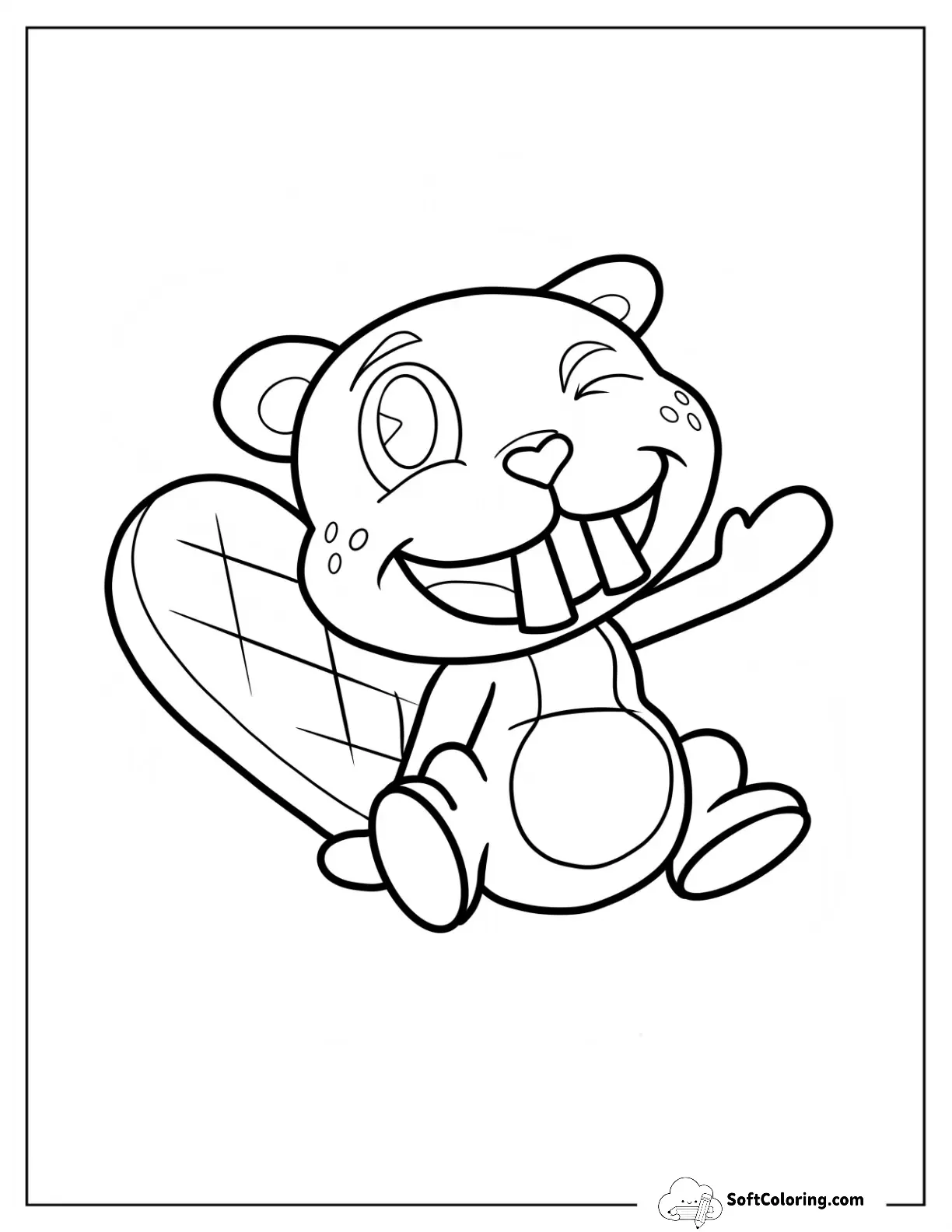
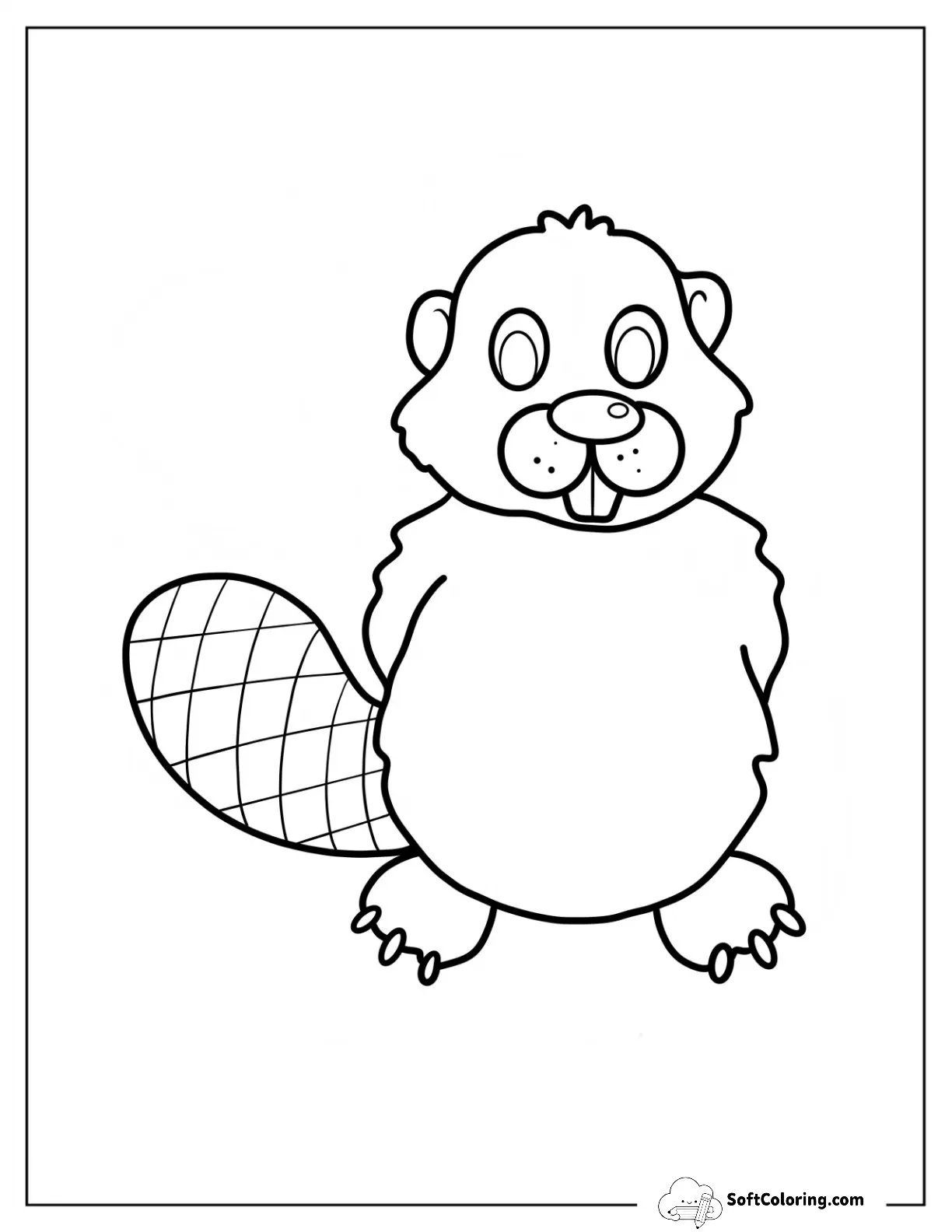
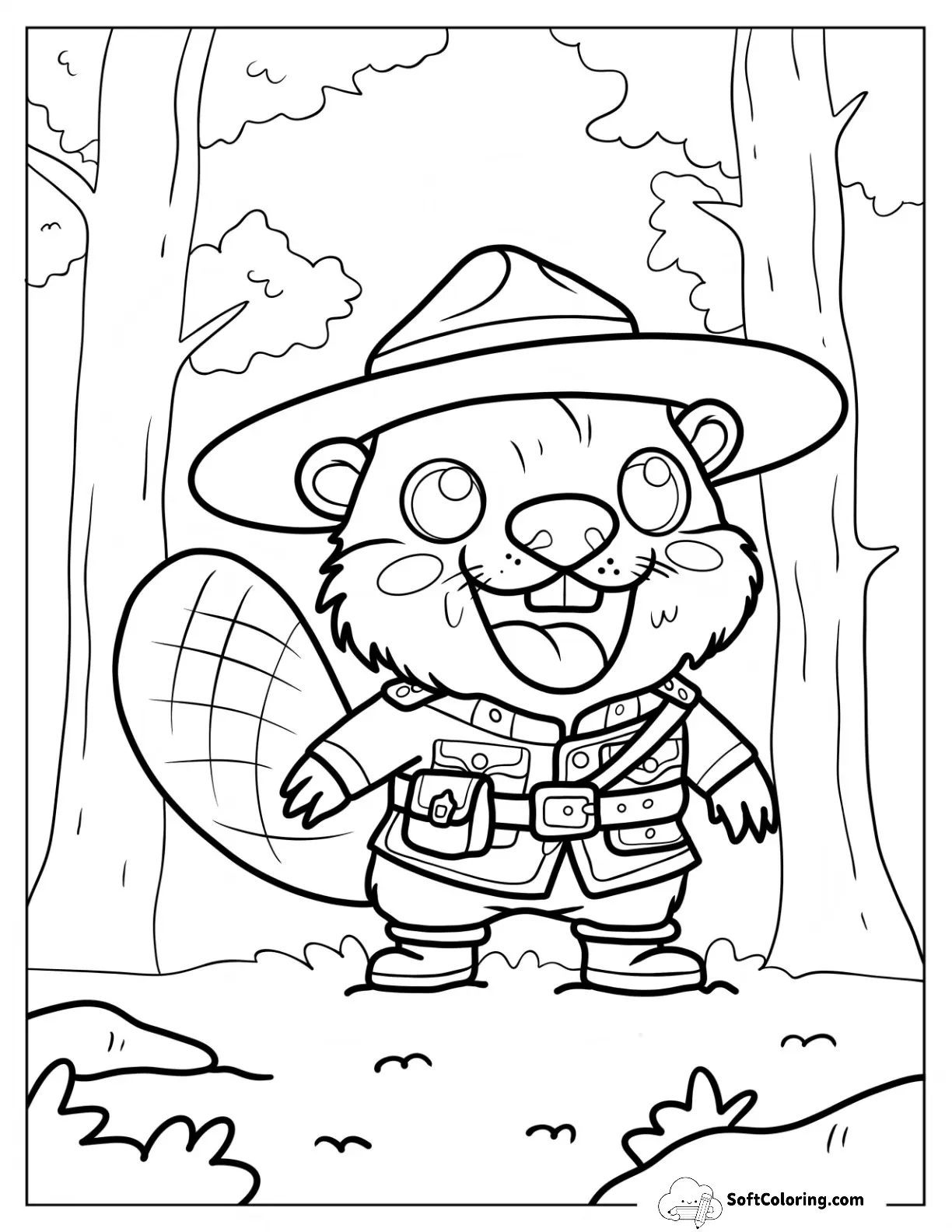
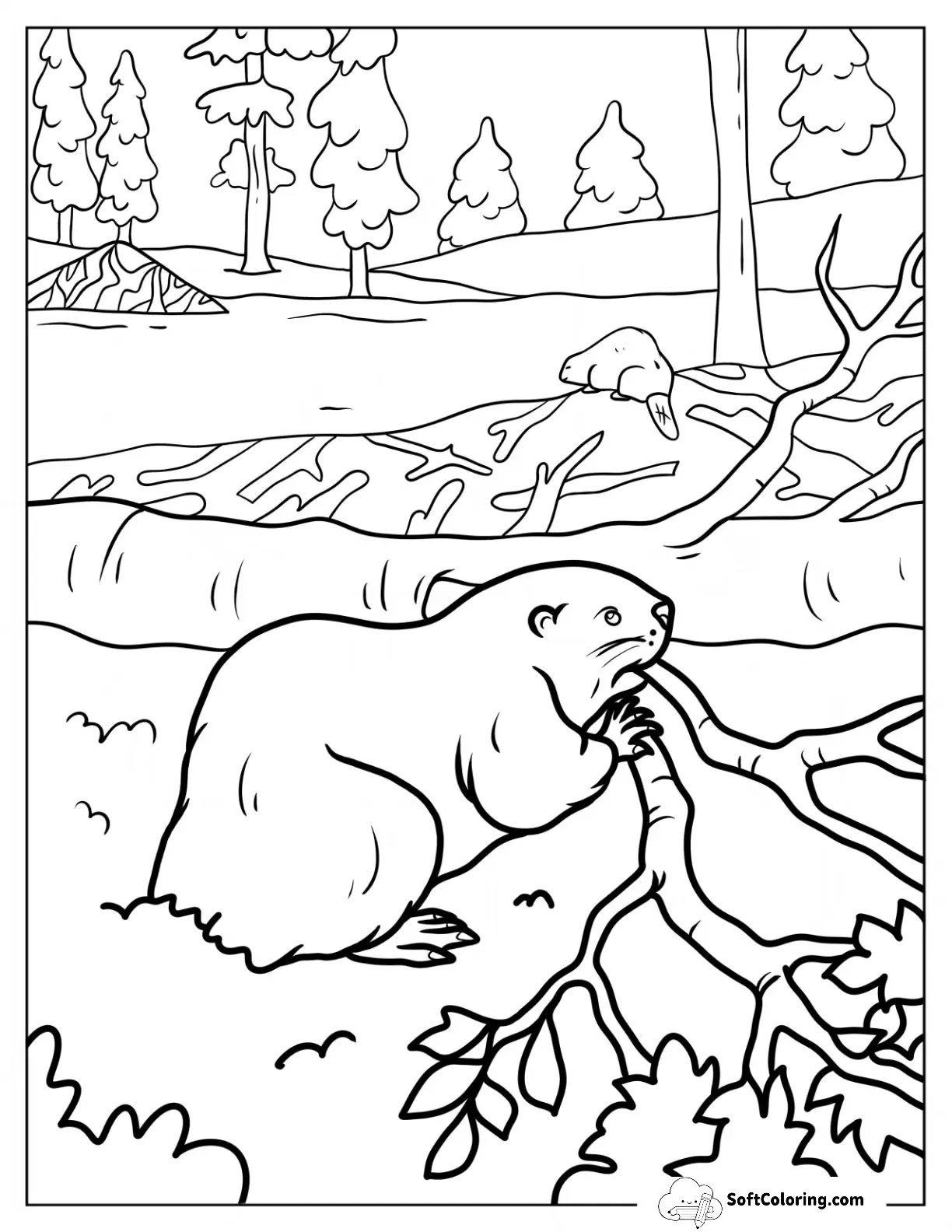
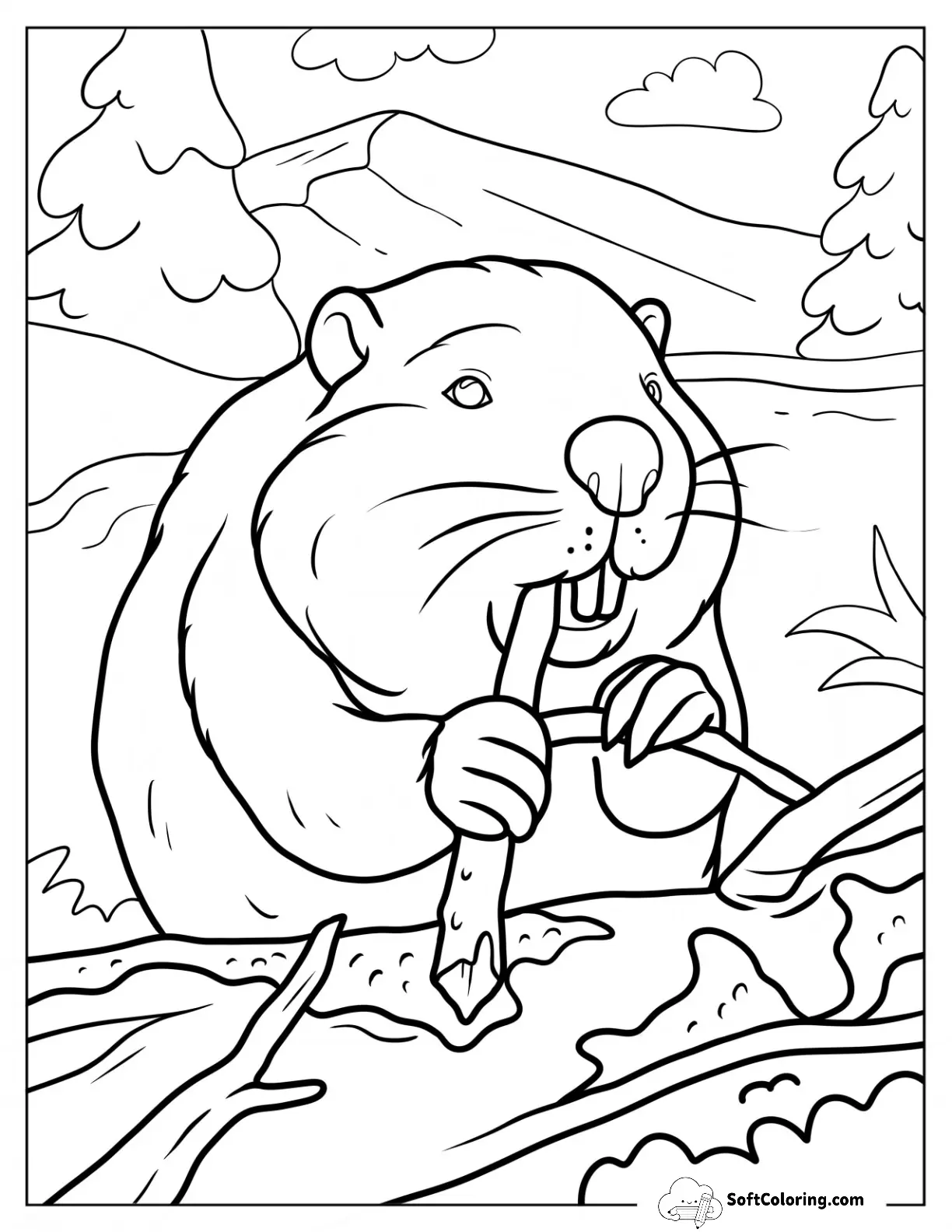
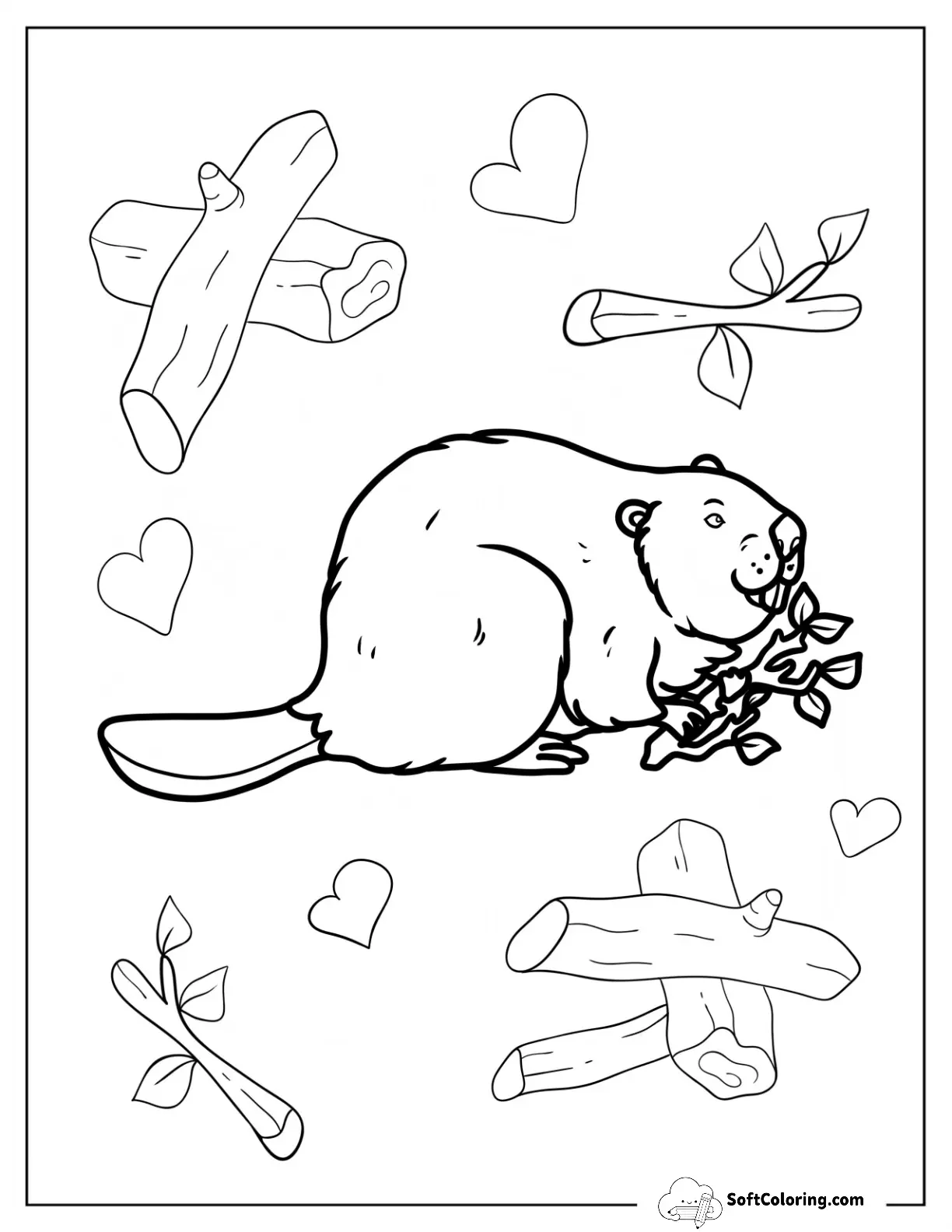
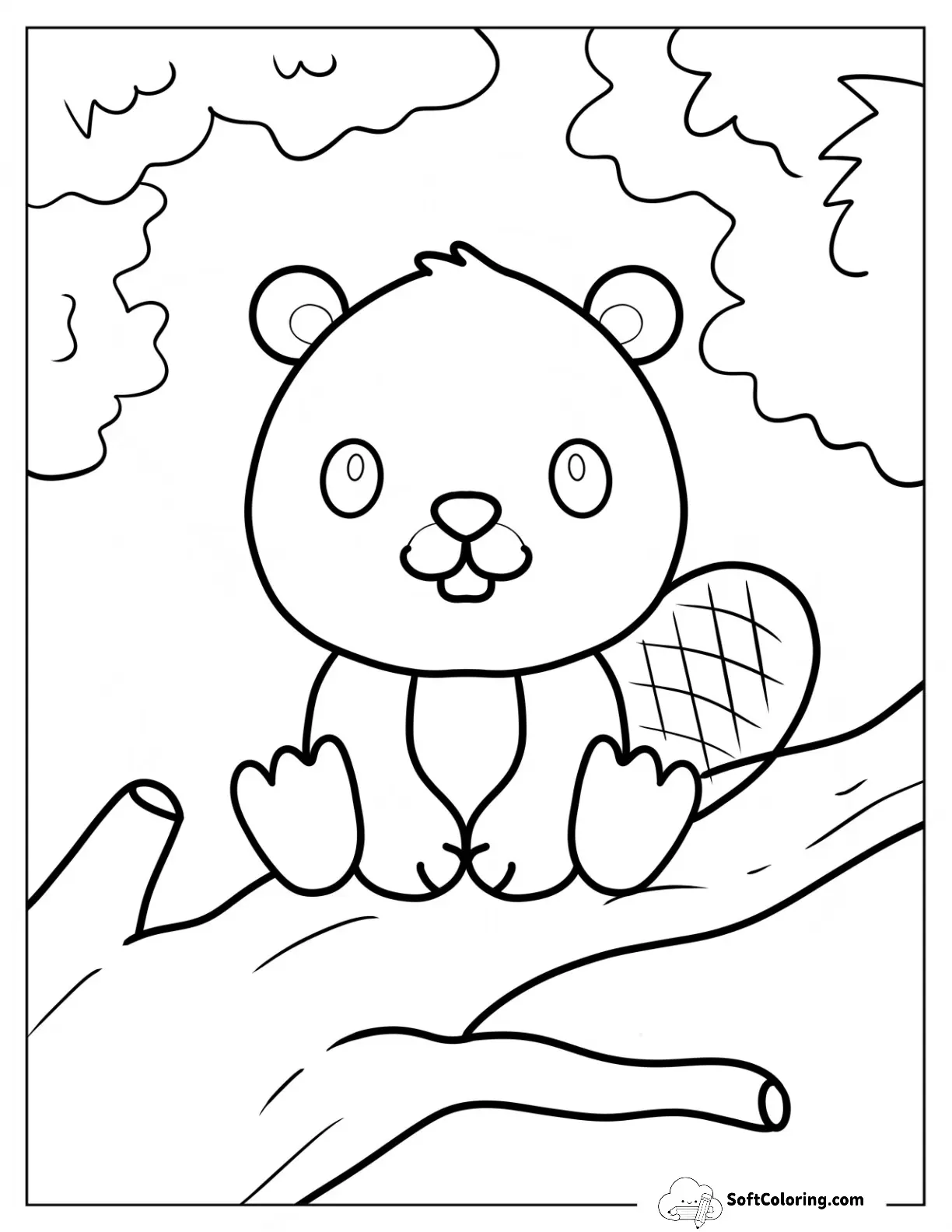
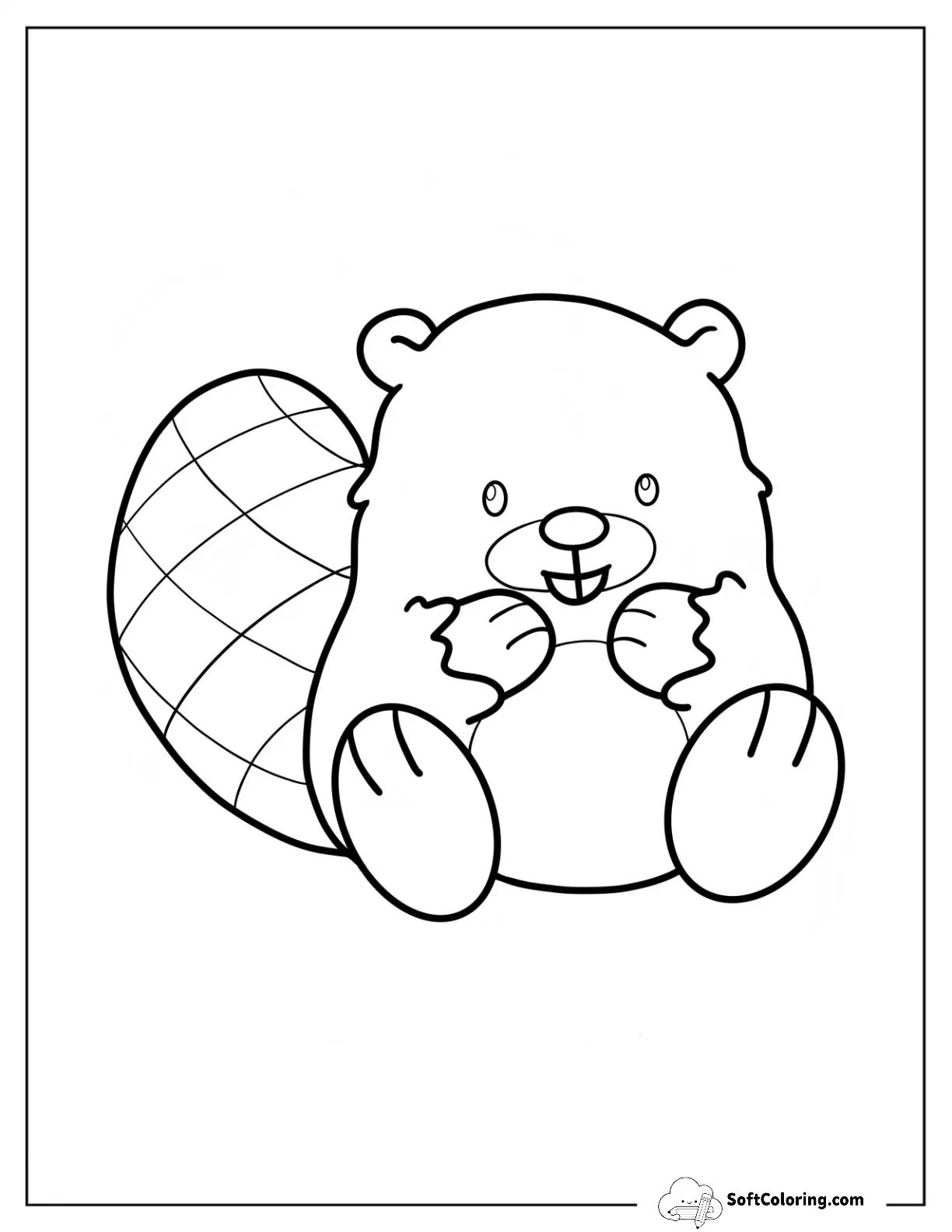
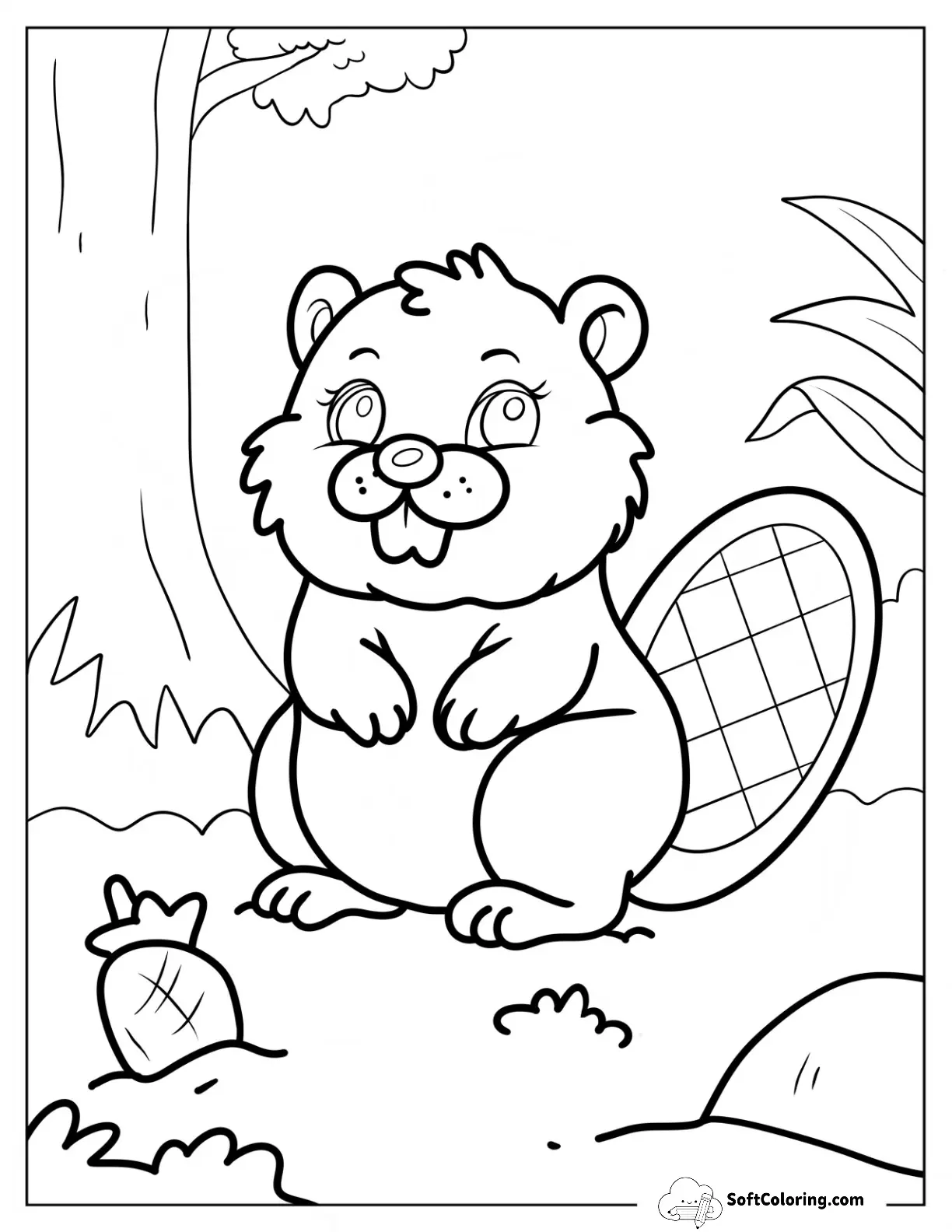
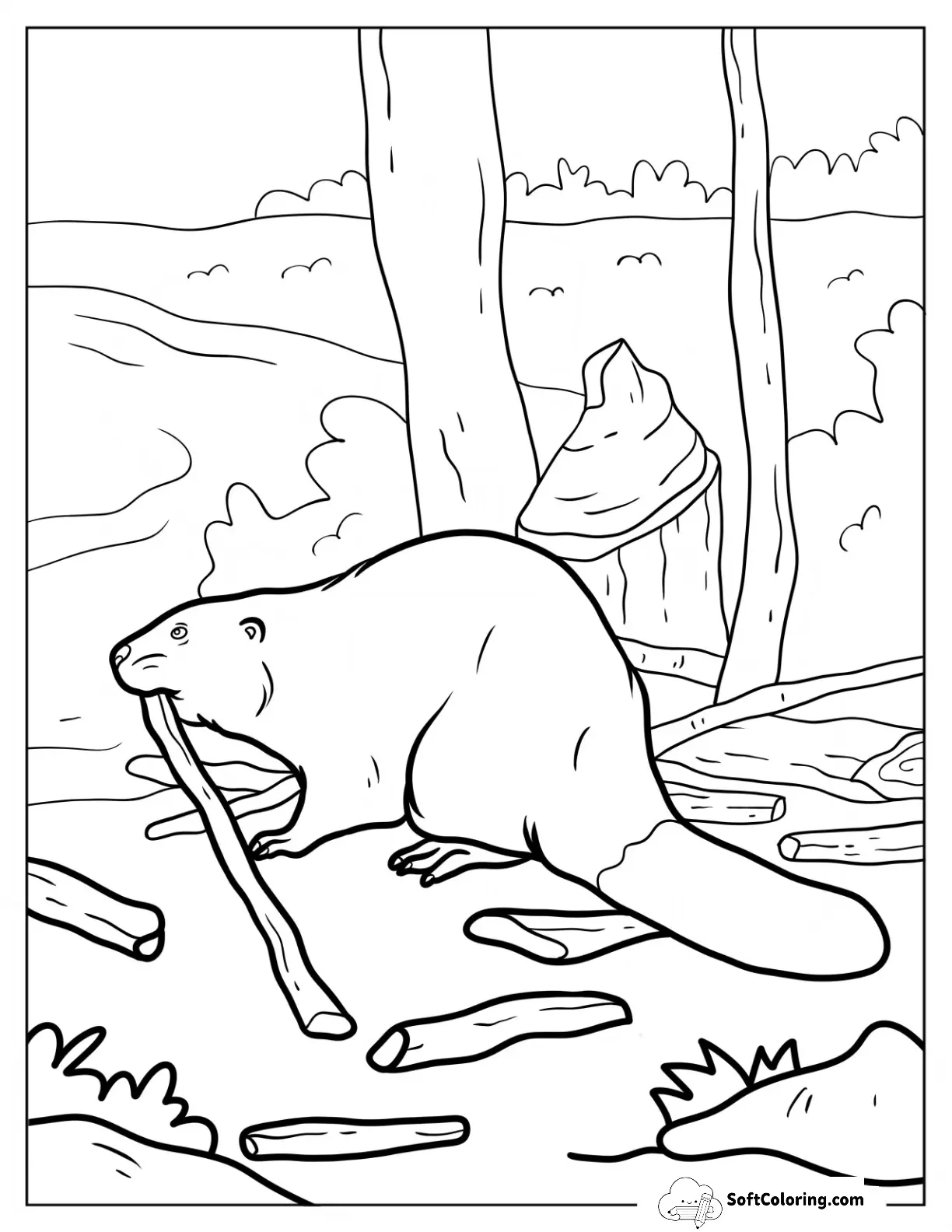
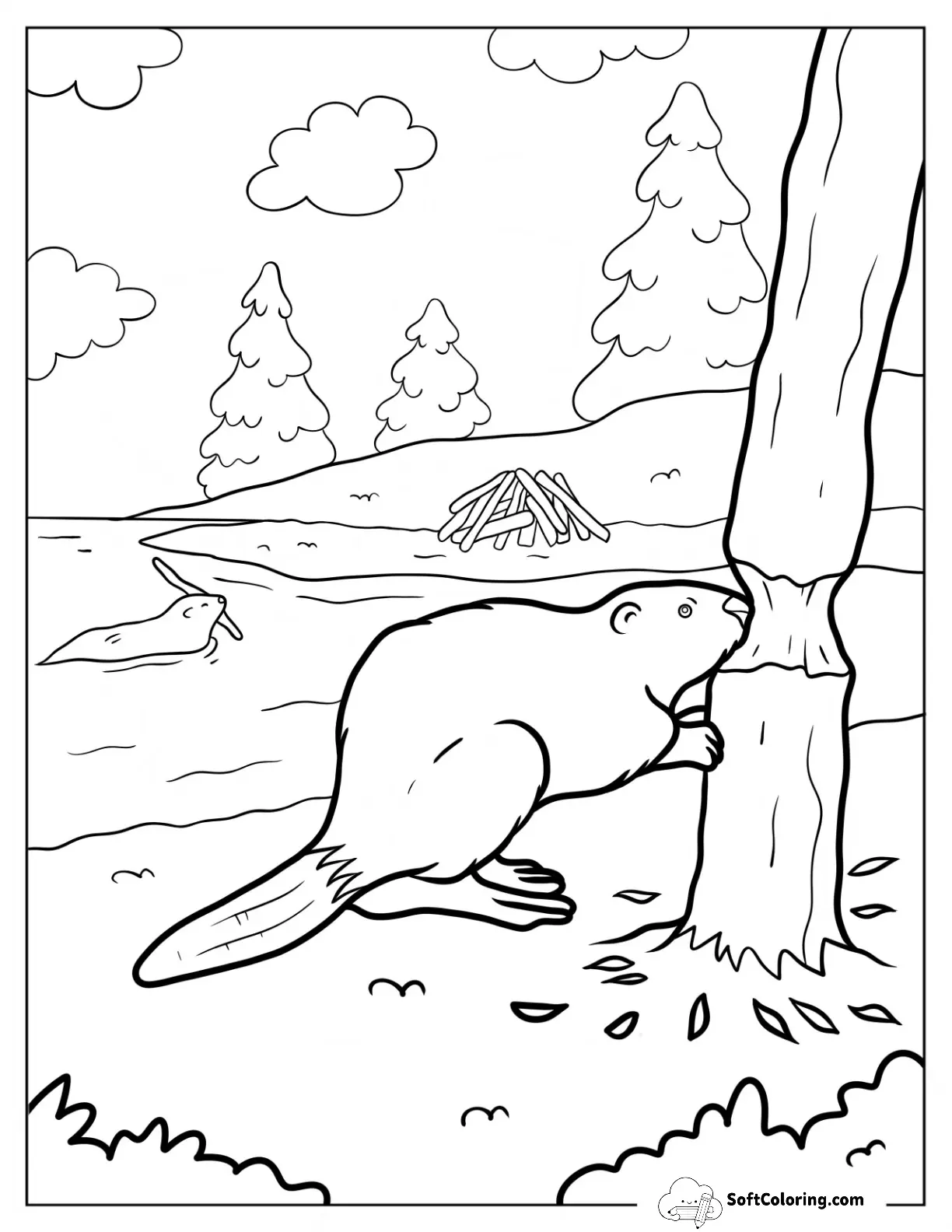
Riverbanks come alive as wild engineers fell forest timber, making printable Beaver Coloring Pages a delight for kids. Practice shading paddle tails, webbed hind paws, strong orange incisors, and cozy stick lodges on crisp paper.


Can't Find What You're Looking For?
Let us know what you want to color next, and our team will draw it for you!
Request a Coloring Page
Frequently Asked Questions
Why do beavers have orange front teeth in realistic coloring sheets?
How can children tell beavers apart from otters when coloring wetland animals?
What fun craft projects can kids make using completed beaver coloring pages?
You Might Also Like These Related Collections ✨
Explore more adorable printables and popular themes handpicked for your little ones:
 35 Sheets
Cow Coloring Pages
 121 Sheets
Butterfly Coloring Pages
 37 Sheets
Wolf Coloring Pages
 34 Sheets
Frog Coloring Pages
Discover Wetland Wildlife with Beaver Coloring Pages
Few woodland creatures alter their environment as dramatically as the North American beaver, and our printable beaver coloring pages let learners witness this transformation firsthand. By cutting down aspen trees with iron fortified teeth and stacking branches into complex waterways, these furry architects create thriving habitats for fish, birds, and amphibians. Sitting down with coloring pencils offers a wonderful window into this lively freshwater world.
Wetland habitat sketches illustrate how fallen logs and slow flowing streams nurture hundreds of aquatic species, turning simple coloring sessions into memorable environmental science discussions.
Life Inside the River Lodge and Deep Water Pond
Daily routines around a beaver colony involve constant maintenance and family teamwork. Our illustrations highlight large adults hauling peeled willow branches across swift currents, slapping broad scaly tails against river surfaces to warn relatives of approaching danger, and carefully smoothing river mud onto exterior den walls. Nearby, tiny beaver kits paddle through still water channels, nibbling aquatic greens and staying safely hidden inside dome shaped chambers built high above the waterline.
Beyond engineering behavior, these sheets showcase distinct physical traits that set beavers apart from land mammals. Students can study webbed hind feet that propel heavy bodies through cold mountain rivers, dense two layer fur coats that trap insulating air, and oversized orange front teeth that continue growing throughout the animal life. Each line drawing balances anatomical clarity with approachable outlines suited for early childhood through middle school grades.
Techniques for Shading Wet Fur and Woodland Timber
Creating convincing river scenes depends on subtle textures and layered color choices. Try these artistic approaches on your coloring table:
- Chestnut and umber base layers replicate thick waterproof coats when laid down with soft circular pencil motions along the rounded back.
- Crisscross charcoal shading gives paddle tails realistic leathery skin, especially when paired with light gray highlights near the tail edges.
- Vivid pumpkin orange strokes ensure front incisors reflect authentic mineral enamel rather than ordinary white teeth.
- Cool blue water ripples surrounding swimming paws introduce flowing river movement that contrasts against dark muddy banks.
- Peeled bark wood textures emerge by combining pale cream or buff tones on bare wood with dark chocolate rings around tree stumps.
Creative Uses for Science Binders and Class Displays
Every illustration is formatted for clean browser printing onto standard office paper, fitting neatly into elementary biology notebooks, nature journals, or homeschool lapbooks. If your young artist enjoys layering watercolor pencils or brush pens to depict moving river water, heavier drawing paper prevents buckling and keeps colors crisp. Finished pictures can be cut out and mounted onto cardboard dioramas, paired with real twigs collected outside to recreate an authentic miniature beaver dam.